11 hr
Big Island Circle: Volcanoes, Waterfalls & Coffee Experience
- Expert local guide
- Small group
- Skip-the-line access
- Free cancellation
Kilauea Tours From Honolulu — Big Island Volcano Expeditions
Cross from Oahu to witness Earth in formation, where lava meets creation
Compare fares, pick the fit — all bookings are mobile-voucher and eligible for free cancellation where shown.
11 hr
7 hr
5 hr
Visitors planning kilauea tours from honolulu must select between private vehicle access or organized inter-island excursions to reach this volcanic landscape. Understanding these options helps navigate Hawaii Volcanoes National Park efficiently.
| Standard Entrance Pass Private Vehicle |
Top pick Guided Inter-Island Tour All-Inclusive Excursion |
|
|---|---|---|
| Entrance fee | 30 USD per vehicle | Included in tour package |
| Access Level | Self-guided exploration | Full summit and mid-level access |
| Arrival recommendation | 06:00–10:00 | Managed by tour operator |
| Transportation included | No | Yes (Honolulu air/ground travel) |
| Best for | Independent travelers | First-timers seeking logistics support |
| See tickets & prices |
Verdict: For those securing kilauea tours from honolulu tickets, the guided excursion is recommended for first-timers to simplify the complex inter-island transit required for this Oahu-based kilauea tours from honolulu tour experience, while the standard pass suits those driving their own rental car on a kilauea tours from honolulu tours itinerary.
Worth it for volcano enthusiasts, pricey for casual sightseers
Kilauea tours from Honolulu deliver access to one of Earth's most active volcanic landscapes, but the value equation depends on your tolerance for long transit days and premium pricing. Organized tours from Oahu typically run 12-16 hours door-to-door, with inter-island flights and ground transport consuming much of that window. You're paying for convenience — guides handle logistics, narrate geology, and navigate the park's sprawling 335,000 acres so you hit Thurston Lava Tube, steam vents, and Kīlauea caldera viewpoints efficiently. The park itself charges a modest $30 vehicle entry (valid seven days), but full-day volcano expeditions from Honolulu commonly price between $300-$500 per person once you factor airfare, meals, and guide services. That's steep compared to self-driving if you're already on the Big Island. For first-time Hawaii visitors based on Oahu who want to witness active volcanism without planning multi-island logistics, kilauea tours from honolulu tours justify the premium. Budget travelers and repeat visitors get better value flying independently and renting a car.
Bottom line: The convenience premium makes sense for time-pressed Oahu visitors prioritizing volcanic spectacle over budget flexibility.
They complement each other; most visitors who do both call the volcanic landscape the more thrilling, while Pearl Harbor offers a deeper historical connection. Travelers weighing these kilauea tours from honolulu options often find the choice depends on whether they prefer natural majesty or commemorative reflection.
|
Top pick Hawaii Volcanoes NP |
Pearl Harbor Memorial | |
|---|---|---|
| Location | Big Island (Hawaii) | Oahu |
| Travel time from HNL | ~45–60 mins (flight) | ~20–30 mins (drive) |
| Entrance fee | 30 USD (per vehicle) | Free (1 USD booking fee) |
| Best arrival window | 06:00–10:00 | 07:00–09:00 |
| Focus | Geology and active craters | World War II history |
| Primary activity | Hiking and scenic driving | Memorial and museum touring |
| See tickets & prices |
Verdict: For a kilauea tours from honolulu tour experience that delivers raw geological power, choose the national park, but prioritize a Pearl Harbor kilauea tours from honolulu tickets style itinerary if you seek a meaningful encounter with American heritage.
Hand-picked experiences loved by thousands of travelers
12 hours
Free Cancellation
Full-day journey through volcanic landscapes, black sand beaches, and pristine night skies
7 hours
Free Cancellation
Journey through volcanic landscapes, rainforest roads, and a tri-colored beach on this full-day Big Island exploration.
7 hours
Free Cancellation
Explore Kilauea volcano, walk through a lava tube, relax on black sand beaches, and spot sea turtles.
8 hours
Free Cancellation
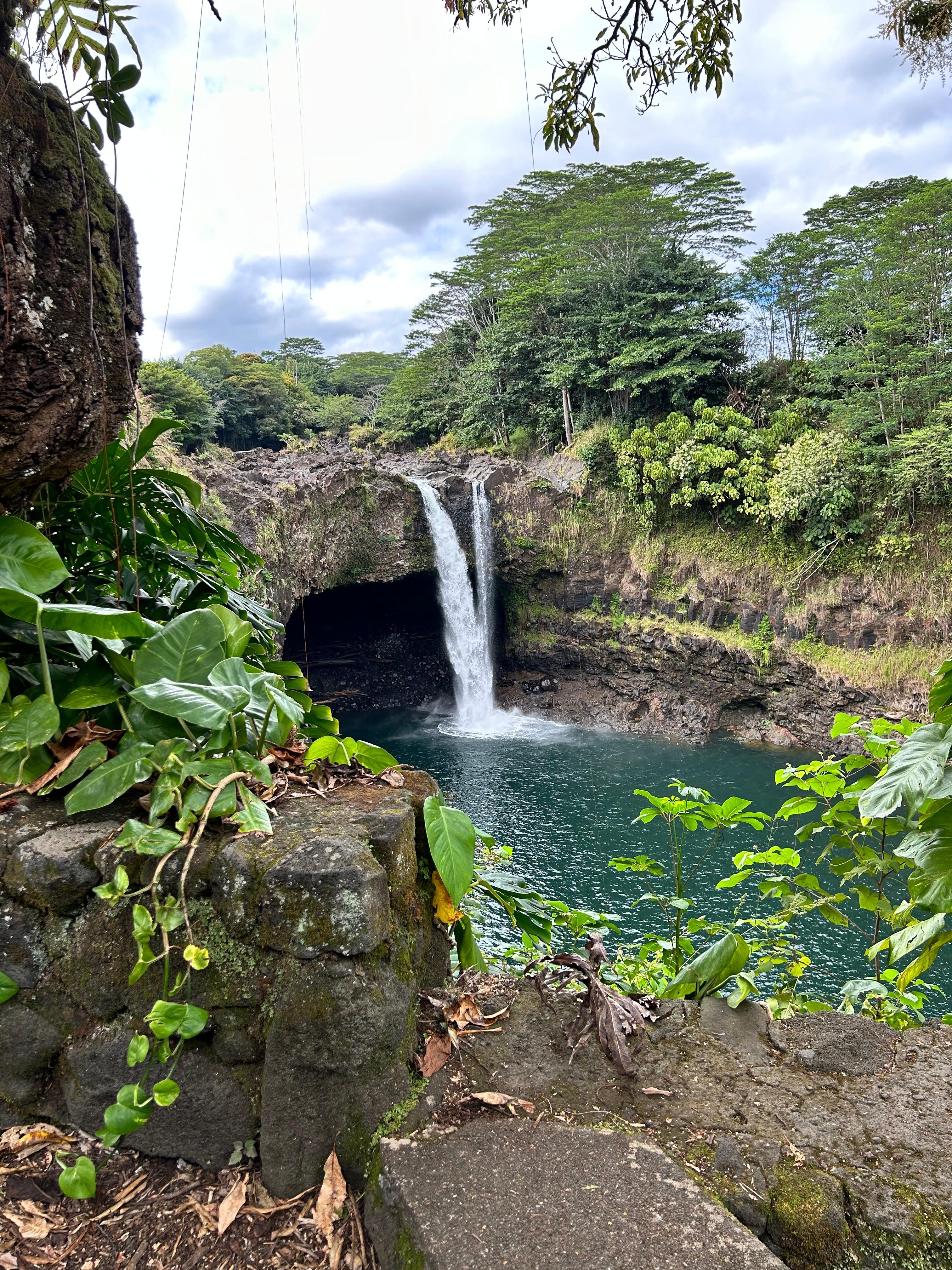
Journey through Hawaii's most dramatic landscapes, from cascading waterfalls to active volcanic craters
6 hours
Free Cancellation
Explore Kilauea's volcanic landscapes, Rainbow Falls, and a stunning black sand beach on this full-day adventure
12 hours 30 minutes
Fly from Honolulu to witness Kīlauea's volcanic drama, lava tubes, black sand shores, and Hilo's waterfalls
10 hours
Free Cancellation
Full-day journey through volcanic landscapes, coffee country, and celestial wonders on Hawaii's Big Island
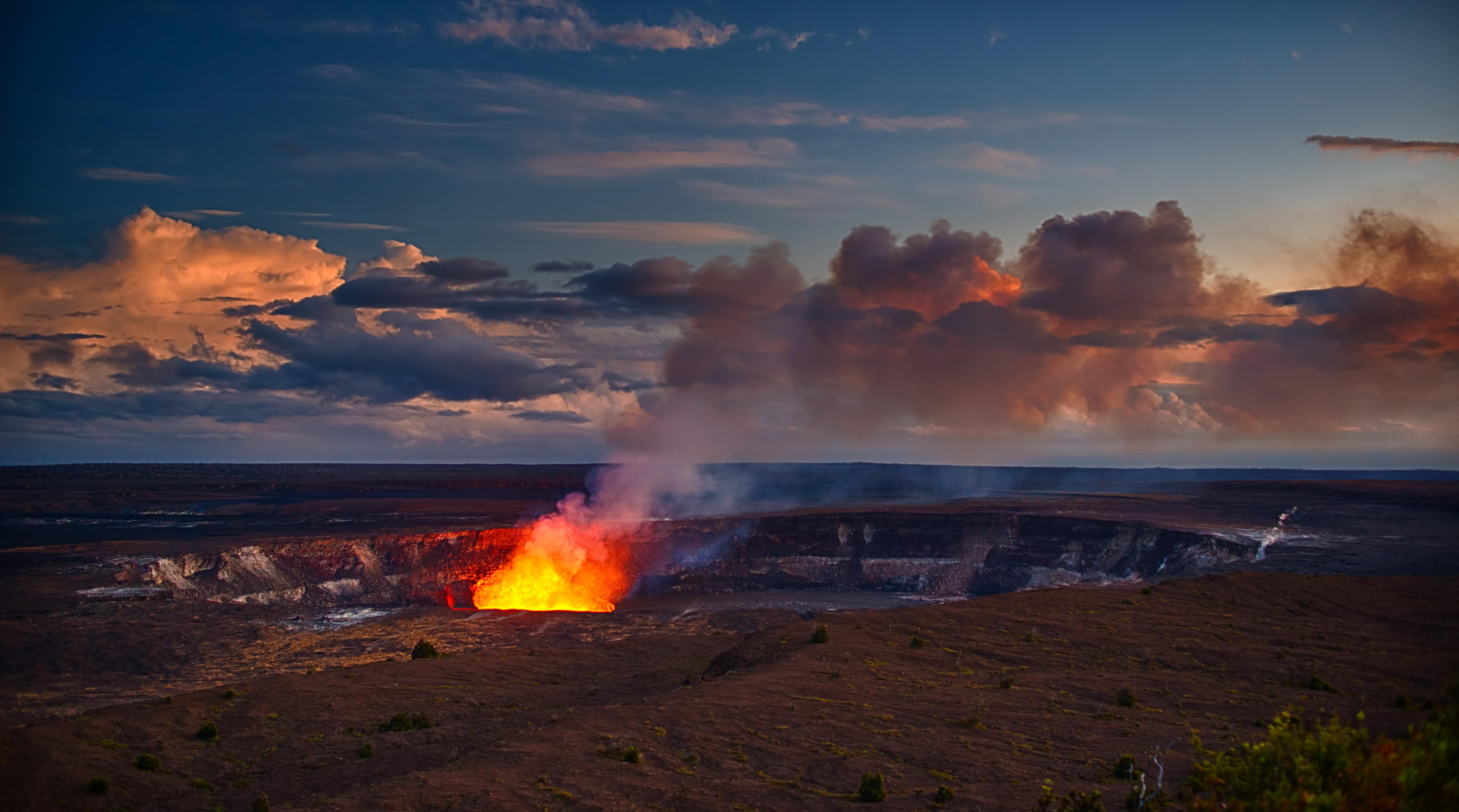
This massive crater is central to Hawaiian culture and home to the volcano deity Pele. It has undergone significant changes in size following seismic events
Halemaʻumaʻu Crater
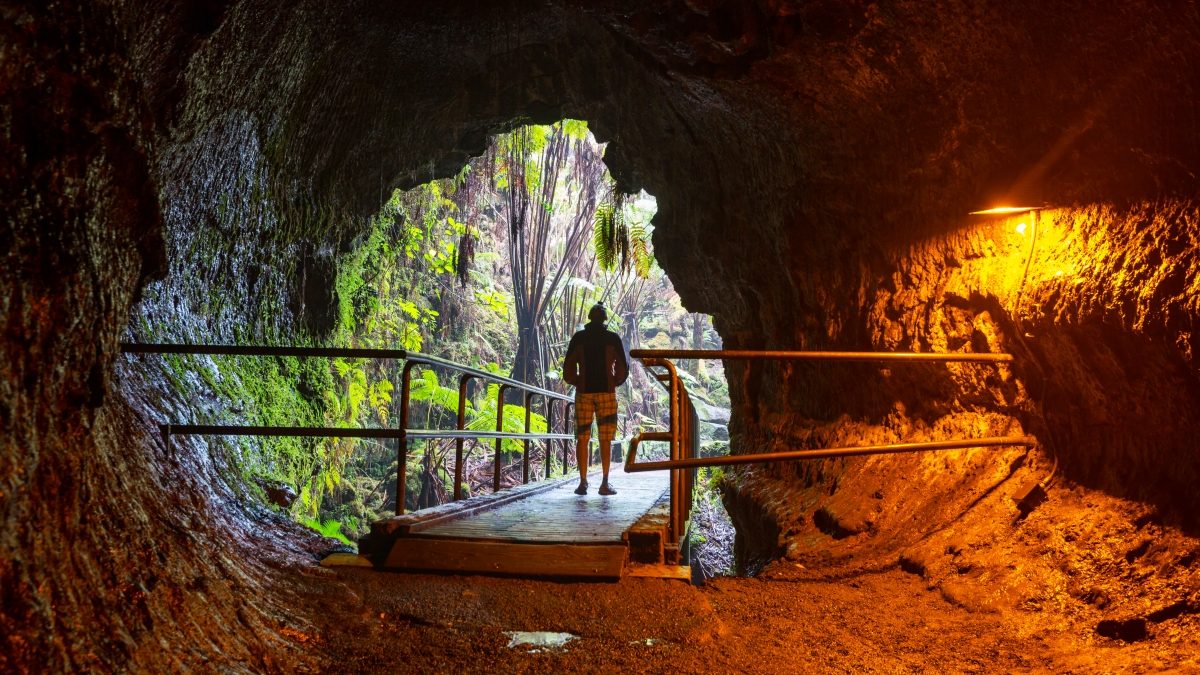
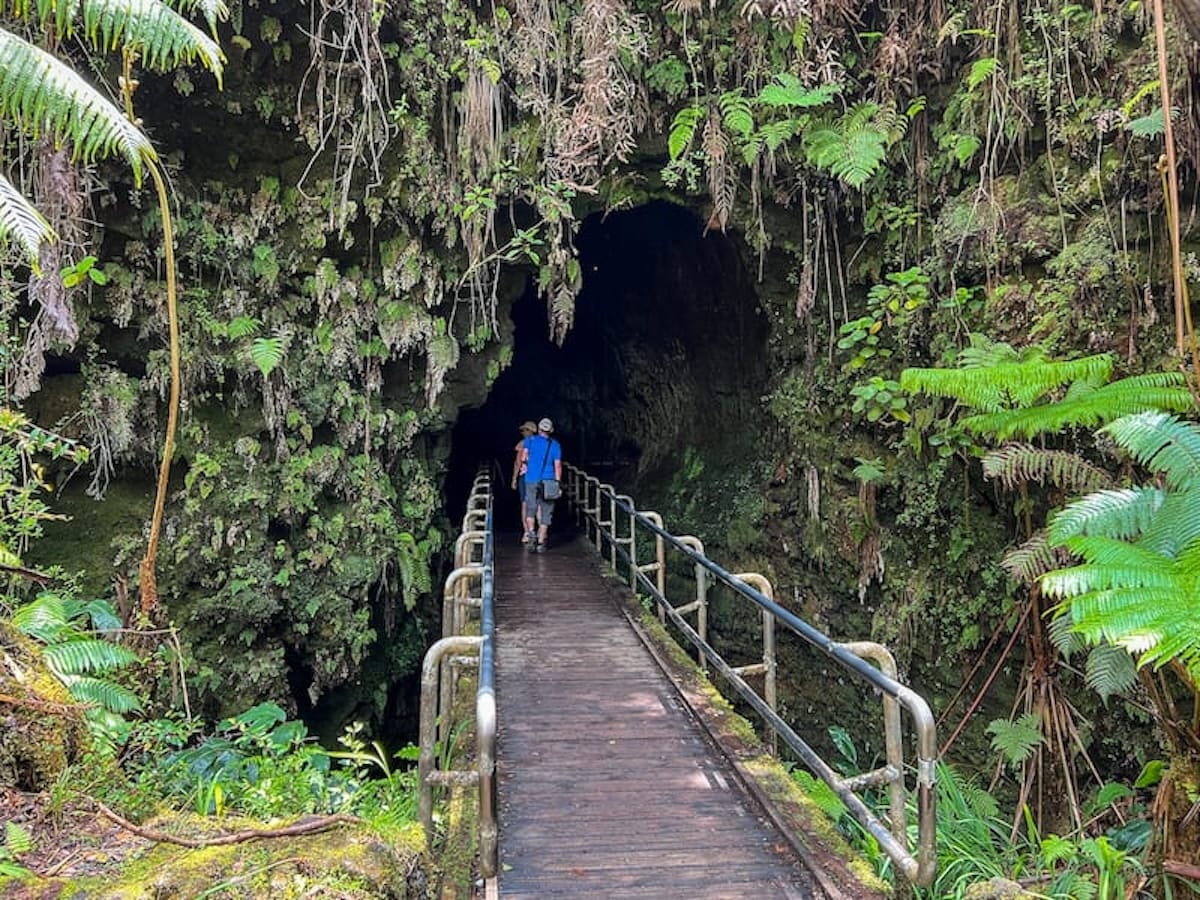
Thurston Lava Tube
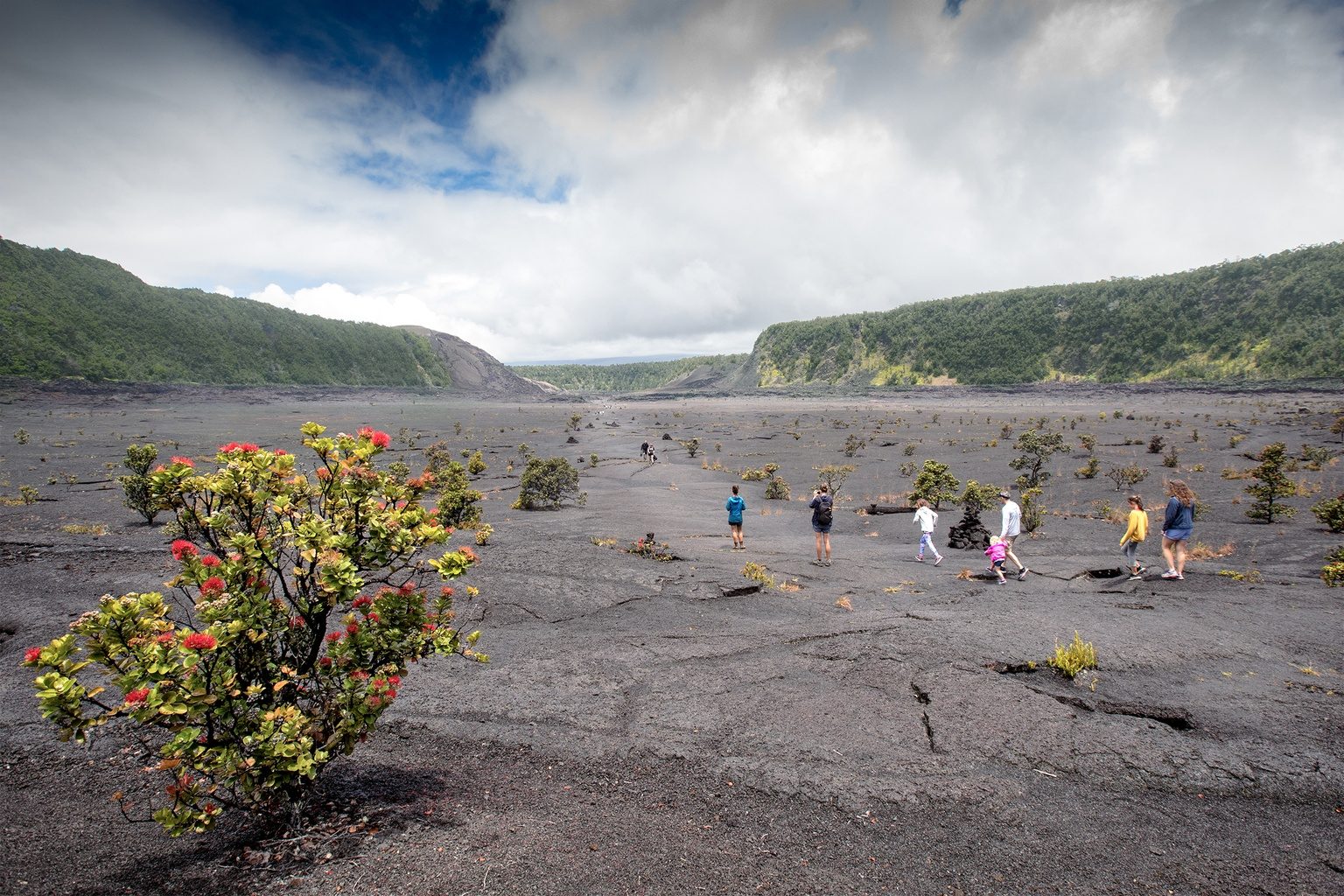
Kīlauea Iki Trail
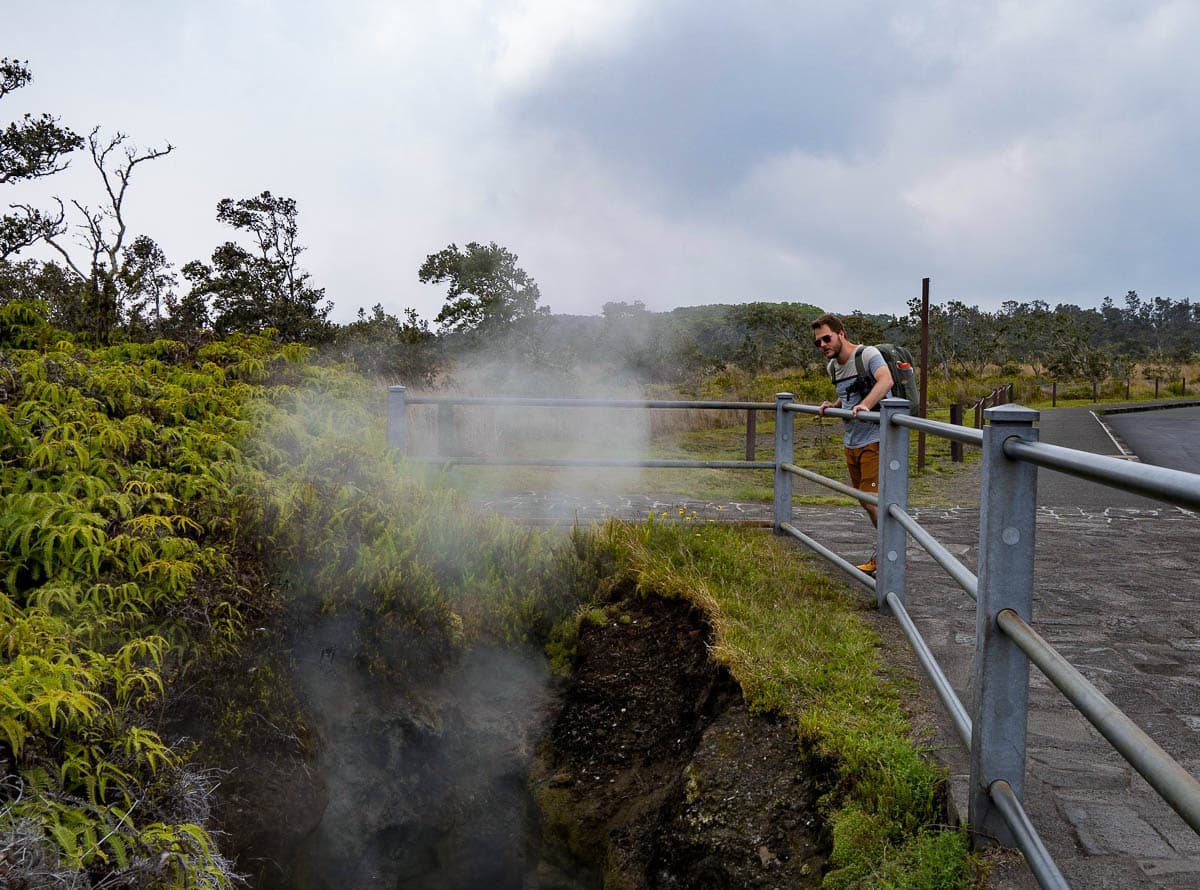
Steam Vents
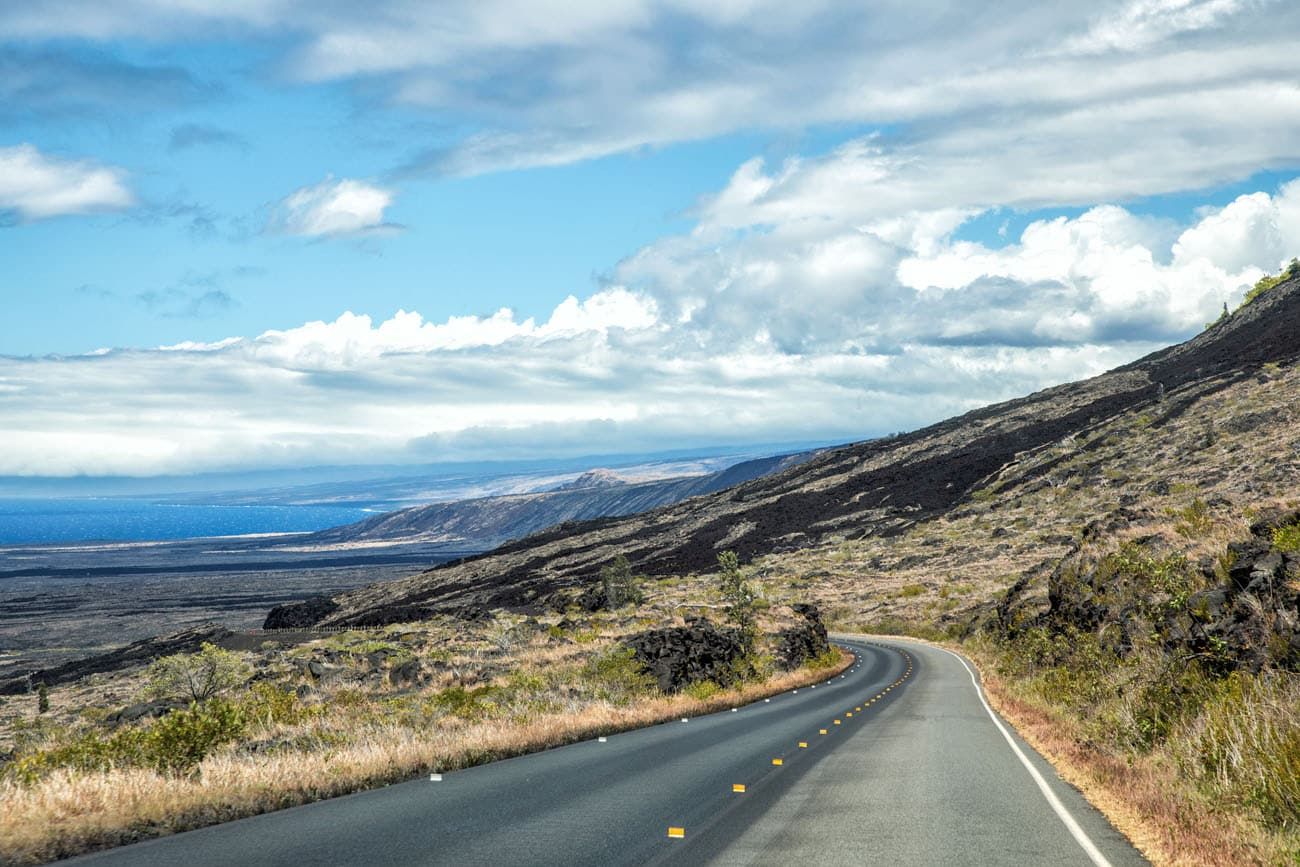
Chain of Craters Road
You lift off from Honolulu at first light, the 45-minute flight crossing the Alenuihaha Channel before descending over Hilo Bay. Your guide collects the group at the airport and drives southwest on Route 11, the landscape shifting from tropical coast to tree fern forest as the road climbs toward the park.
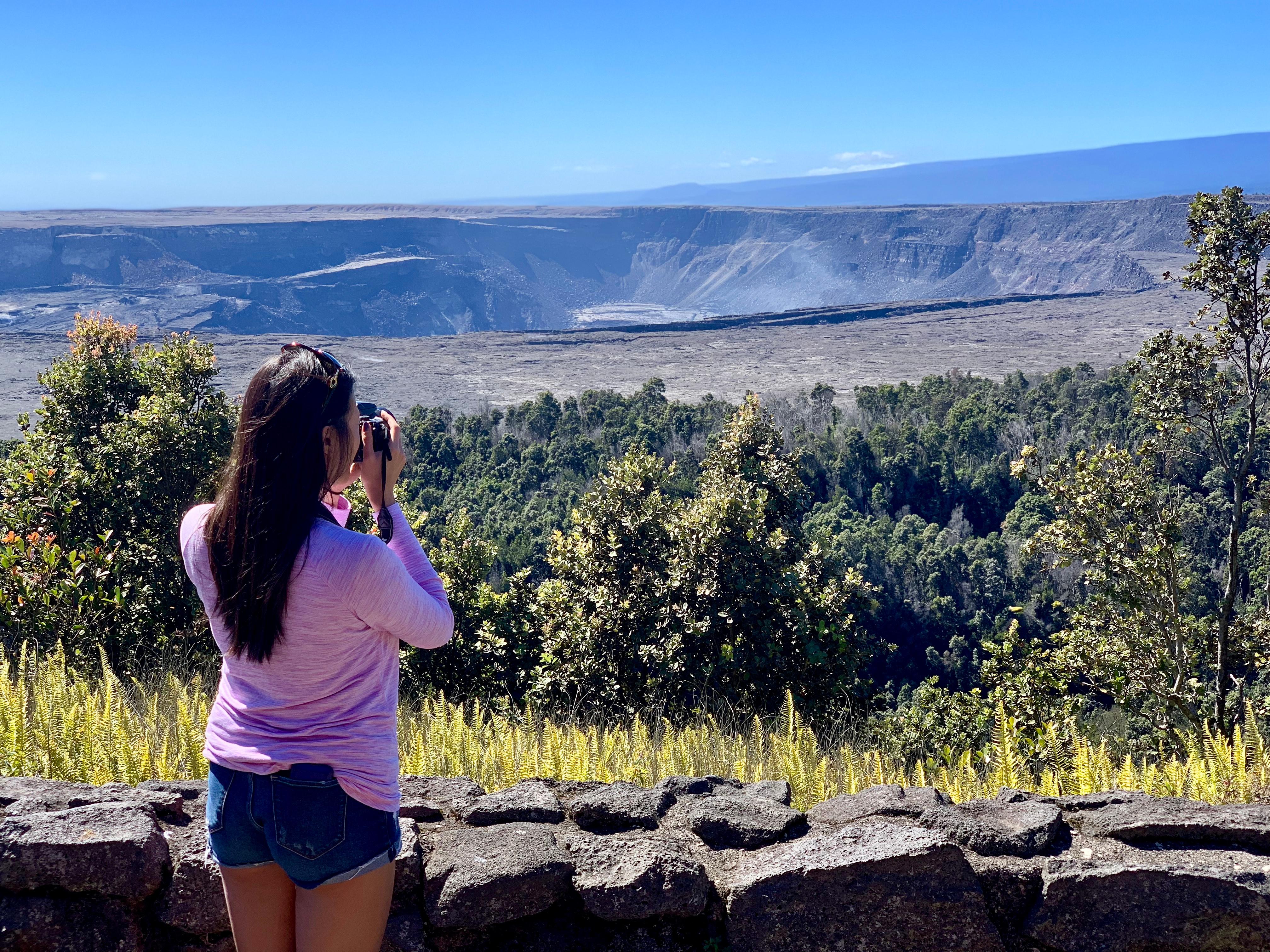
You enter through the main gate at 7:30 a.m., passing the Kilauea Visitor Center and continuing to the caldera rim. Steam rises from fissures along Crater Rim Drive, the sulfur smell sharp in the cool morning air.
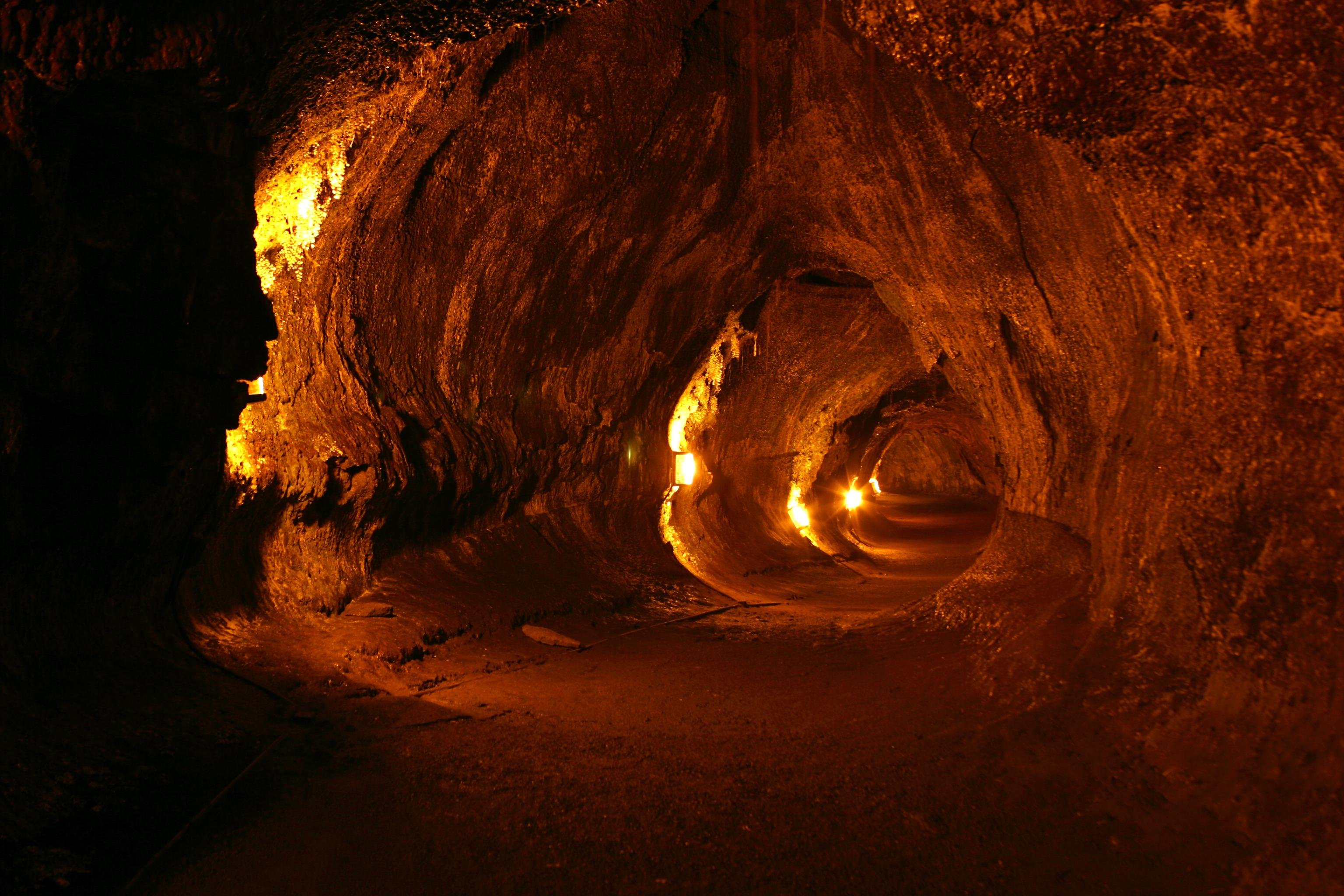
You walk the half-mile Devastation Trail, crossing cinder fields deposited in 1959 when Kilauea Iki Crater fountained lava 1,900 feet into the air. Bleached 'ōhi'a trunks protrude from the ash, markers of the forest buried beneath. At the Thurston Lava Tube you descend into the fern-draped forest, then step into the tunnel where centuries of dripping water have stained the basalt ceiling rust and green. The tube stretches 600 feet, lit by overhead lamps that catch the rippled texture of solidified lava.
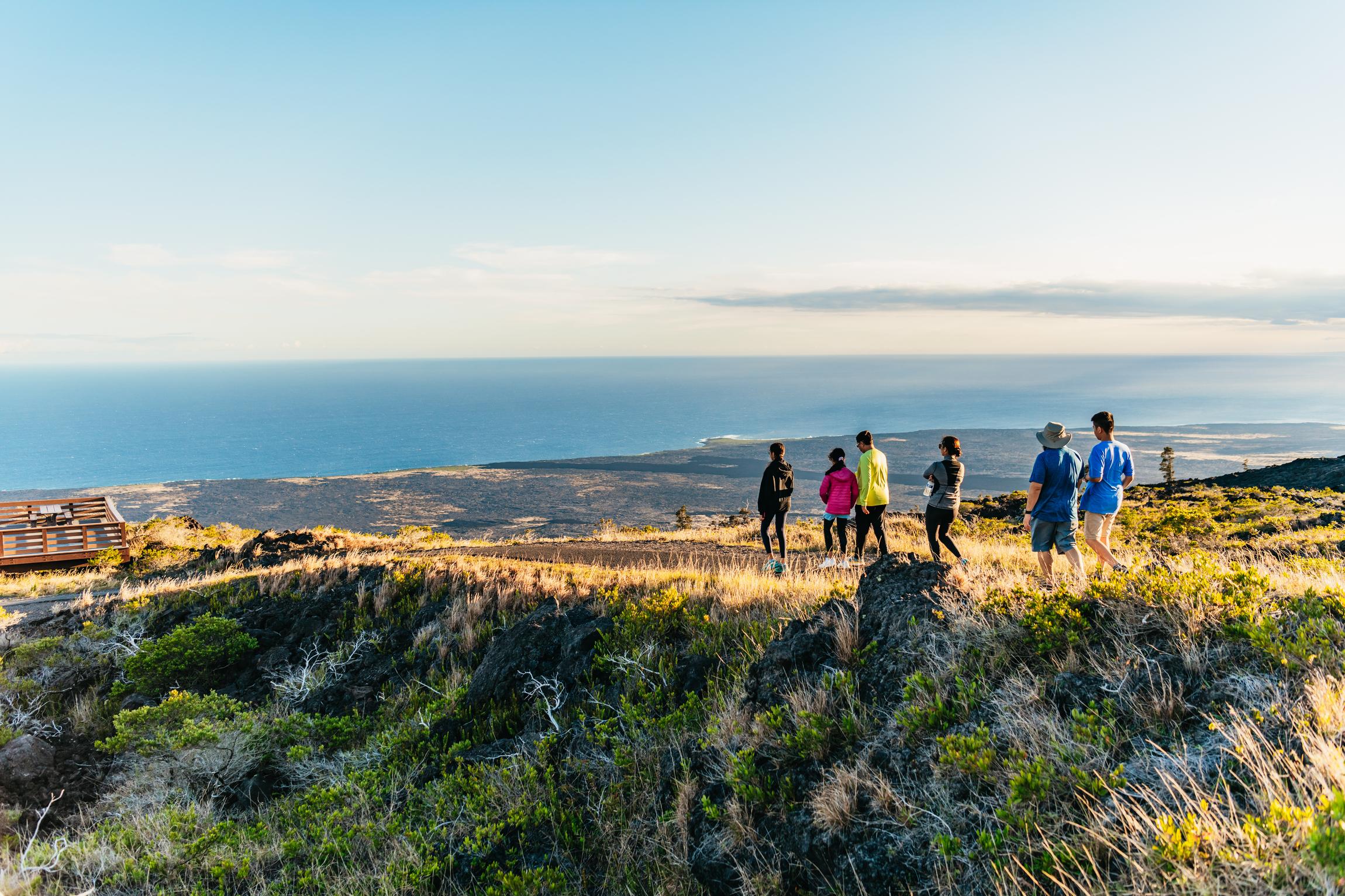
Your guide drives Chain of Craters Road to the coast, stopping at the Holei Sea Arch and fields of ropy pahoehoe where you can see the ocean meeting black rock. Lunch is packed; most tours include a stop at a nearby waterfall or coffee farm before the return flight to Oahu, landing after sunset.
All the details about your upcoming adventure in one place
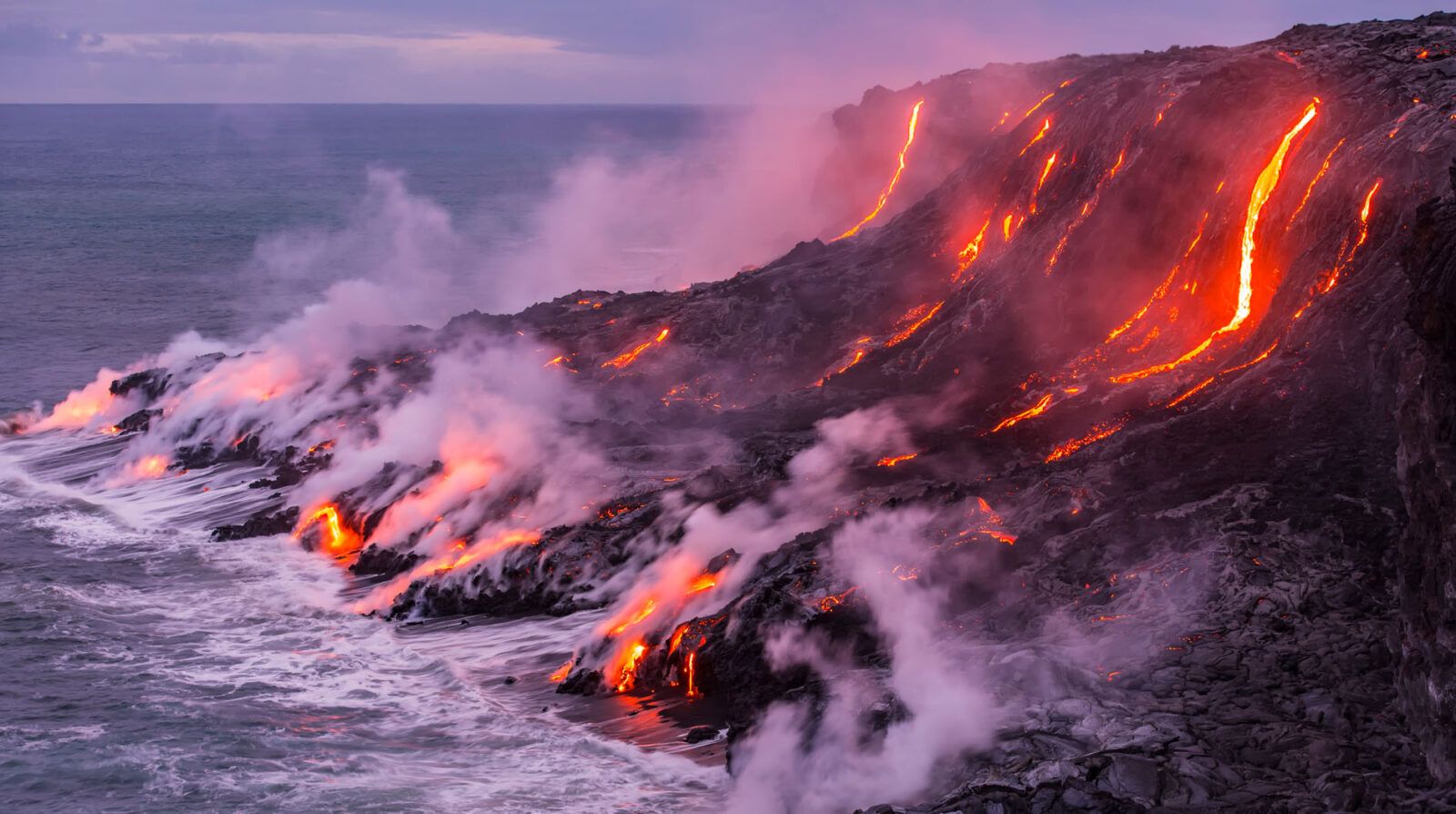
Kilauea has erupted continuously for thirty-four of the past forty years, making it one of the most active volcanoes on the planet. The shield volcano anchors Hawaii Volcanoes National Park, a 335,259-acre reserve on the Big Island established in 1916 to protect both geological processes and endemic ecosystems.
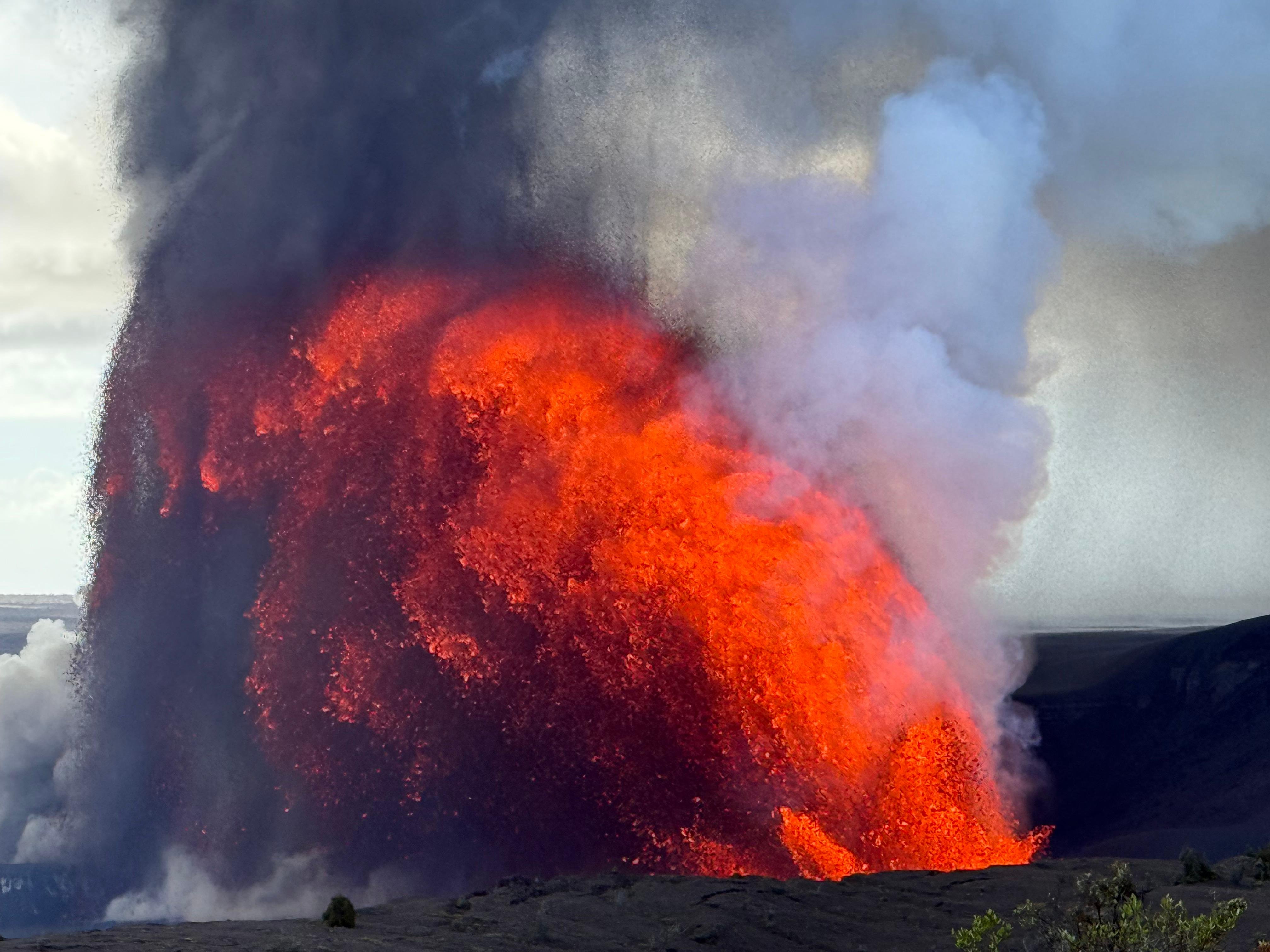
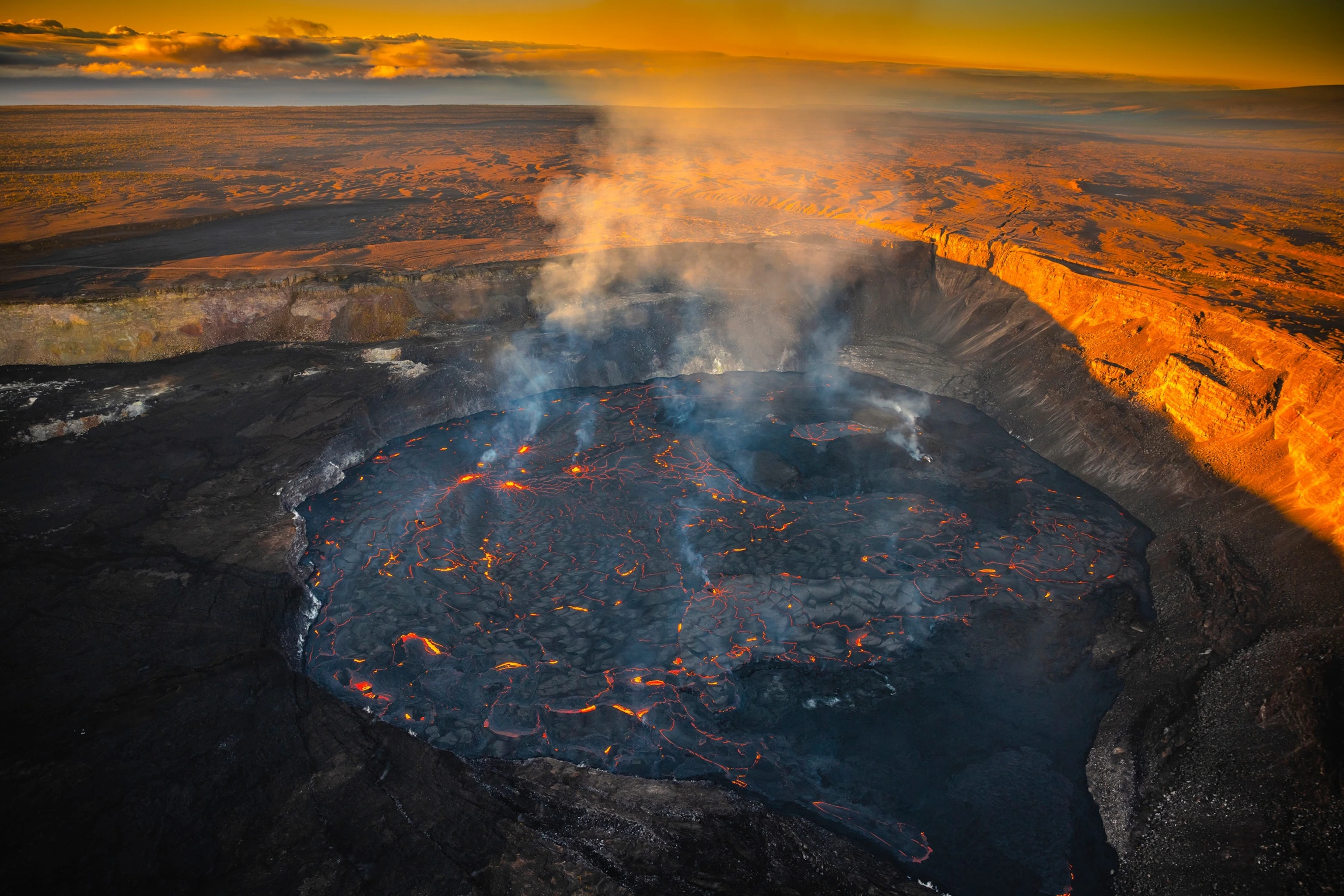
The summit caldera collapsed in 2018 during a three-month eruption sequence that drained the lava lake and reshaped Halema'uma'u Crater into a basin 1,600 feet deep. Today the crater floor holds a new lava lake that began forming in December 2020, its surface glowing at night and venting sulfur dioxide plumes visible for miles.
Kilauea tours from Honolulu require inter-island logistics that distinguish them from same-island itineraries. Most expeditions depart Oahu before dawn, routing through Hilo or Kona airports before continuing overland to the park entrance at 4,000 feet elevation. The journey spans five climate zones, ascending through coastal lowland, montane forest, and volcanic desert to reach the caldera rim. Chain of Craters Road descends 3,700 feet over nineteen miles to the coast, passing petroglyphs, pit craters, and fields of pahoehoe and a'a lava that buried the original road in 1969 and again in 2018. The Thurston Lava Tube, a 500-year-old conduit formed when molten rock drained from beneath a cooling crust, remains one of the park's most visited features despite its distance from current eruptive activity.
The park's dual designation as an International Biosphere Reserve and UNESCO World Heritage Site reflects both its volcanic significance and its role as habitat for endangered species found nowhere else. Hawaiian honeycreepers, nene geese, and the 'ōhi'a lehua forest occupy zones untouched by lava for centuries. The Jaggar Museum overlook, closed since 2018 due to structural damage, once provided the primary viewing platform for Halema'uma'u. Current viewing areas include the Kilauea Overlook and Devastation Trail, both accessible from Crater Rim Drive. Rangers post daily eruption updates and air quality readings; sulfur dioxide concentrations can close trails and viewing areas on high-vog days.
Volcano tours from Oahu typically combine park access with waterfalls, black sand beaches, and Hilo-area coffee farms to justify the inter-island travel time. Most run twelve to fourteen hours, returning to Honolulu after dark. The $30 per vehicle entrance fee, valid for seven days, is included in most guided packages. Peak visitation occurs between 10 a.m. and 2 p.m.; early arrivals secure parking at Devastation Trail and the Steam Vents before tour buses arrive.

Kilauea has erupted continuously for thirty-four of the past forty years, making it one of the most active volcanoes on the planet.
Wear sturdy, closed-toe hiking shoes and long pants for protection against sharp lava rock. Pack multiple layers and a rain jacket, as summit temperatures at Hawaii Volcanoes National Park are often 12–15 degrees cooler than at sea level.
Keep all belongings in a secure, manageable backpack during your kilauea tours from honolulu. Avoid bringing excessive valuables, as cars should remain locked with no visible items when parked at trailheads.
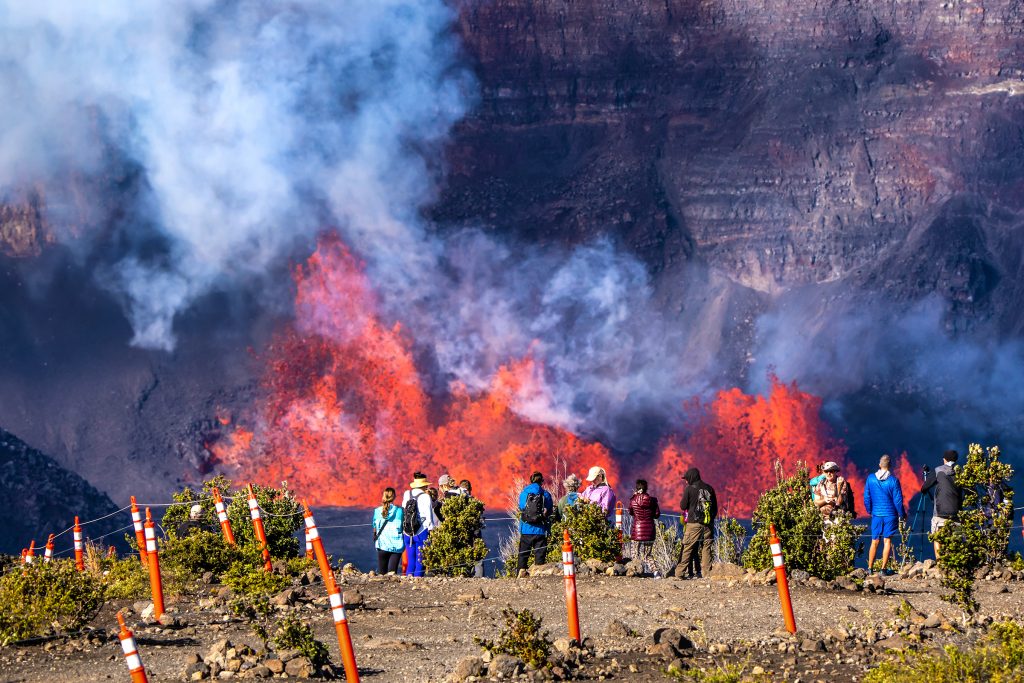
The landscape offers unique opportunities for lava glow and volcanic crater photography. Respect all safety barriers and do not approach restricted areas for a shot while on your kilauea tours from honolulu.
The park is highly educational for children interested in geology and nature. Parents should keep children close on trails and monitor them near volcanic steam vents.
The Kīlauea Visitor Center and several overlooks in Hawaii Volcanoes National Park provide accessible facilities. Many rugged trails are not wheelchair accessible; check with your guide for inclusive options on your kilauea tours from honolulu.
Bring at least 2 liters of water per person and high-energy snacks as there are limited food vendors inside Hawaii Volcanoes National Park. Pack out everything you bring in to maintain the pristine environment.
Operating Hours
00:00–23:59 daily
Address
1 Crater Rim Drive, Hawaii National Park, HI 96718
Accessibility
Accessible summit area and Kīlauea Visitor Center
Best arrival
06:00–10:00 for parking and trailhead access
Official site
https://www.nps.gov/havo/index.htm
Car · 45 minutes from Hilo · Included in tour
Follow Highway 11 to the park entrance; parking is available at major trailheads.
Tour bookings for kilauea tours from honolulu must typically be cancelled 48-72 hours in advance for a full refund. Please review your specific operator's terms, noting that the 30 USD entrance pass per private non-commercial vehicle, valid for 7 days, is often non-refundable.
Recommended time
6-8 hours
Planning your trip requires accounting for significant transit time when booking kilauea tours from honolulu. A full day allows for exploration of the caldera floor and sulfur banks, though heavy traffic often builds near trailheads by midday. We recommend a proactive arrival between 06:00–10:00 to navigate Hawaii Volcanoes National Park effectively before peak occupancy occurs. You may consider securing kilauea tours from honolulu tickets early to ensure seamless entry, while those seeking shorter kilauea tours from honolulu tour experiences should focus on the primary crater rim drive.
Crowd levels through the day
Weather · crowds · average price — dots go green to amber to red as each metric rises.
Mild temperatures, though rain remains common throughout the year.
Reach the park entrance by 06:00–10:00 to avoid mid-day congestion.
Kīlauea rises from the seafloor as the youngest and most active shield volcano in the Hawaiian chain, born roughly 300,000 years ago above a stationary mantle plume. Native Hawaiians recognized the caldera as the home of Pele, goddess of fire and volcanoes, and the lava flows as her sacred footsteps across the land. Oral traditions describe explosive eruptions centuries before Western contact, when ash columns darkened the sky and reshaped the summit. In 1790, a violent phreatomagmatic blast killed part of a marching Hawaiian army near the caldera, leaving footprints preserved in ash—a tragedy that deepened the volcano's spiritual weight and still marks the landscape today. Scientific observation began in earnest after missionary William Ellis and his party descended into the caldera in 1823, publishing the first Western accounts of the lava lake at Halemaʻumaʻu Crater. Thomas Jaggar founded the Hawaiian Volcano Observatory on the caldera rim in 1912, establishing continuous monitoring that transformed volcanology into a predictive science. The U.S. National Park Service designated Hawaii National Park in 1916, later split into separate units for Kīlauea and Mauna Loa; the protected boundary enabled long-term geological study while drawing international researchers. Kīlauea tours from Honolulu grew steadily after statehood in 1959, as commercial aviation made same-day inter-island travel practical for mainland visitors seeking active lava. The Puʻu ʻŌʻō eruption began in 1983 and persisted for thirty-five years, becoming the longest-documented rift-zone event in Hawaiian history and reshaping the island's southeast coast with new land. In May 2018, the summit collapsed in a series of magnitude-6 earthquakes while the Lower East Rift Zone fissures destroyed hundreds of structures in Leilani Estates and buried Kapoho Bay under lava. The caldera floor dropped more than 500 meters, obliterating overlooks and roads and forcing multi-year reconstruction. Organized Kilauea tours from Honolulu resumed as infrastructure reopened in 2020, though the summit lava lake that returned in December 2020 remains confined to Halemaʻumaʻu, visible only from designated viewpoints along Crater Rim Drive.
Kīlauea shield volcano begins forming above the Hawaiian hotspot on the Pacific seafloor.
Explosive eruption kills part of a Hawaiian army near the caldera, leaving footprints preserved in volcanic ash.
Missionary William Ellis descends into the caldera and publishes the first Western observations of the lava lake.
Geologist Thomas Jaggar establishes the Hawaiian Volcano Observatory on the rim, pioneering continuous volcanic monitoring.
U.S. National Park Service designates Hawaii National Park, later divided to protect Kīlauea and Mauna Loa separately.
Puʻu ʻŌʻō eruption persists for 35 years, the longest-documented rift-zone event in Hawaiian history.
Summit collapses more than 500 meters during magnitude-6 quakes; Lower East Rift Zone fissures destroy Leilani Estates.
New lava lake forms in Halemaʻumaʻu Crater, marking the resumption of summit eruptive activity after the 2018 collapse.
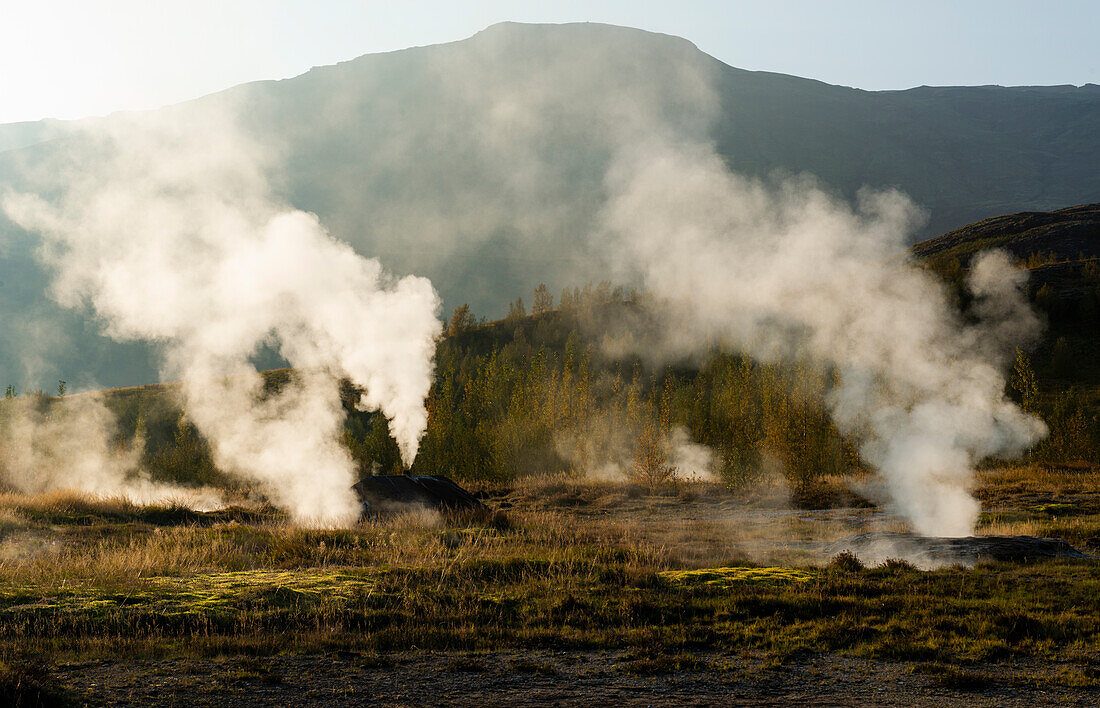
Stand near the fenced perimeter to capture the geothermal plumes rising against a backdrop of native ohia lehua forest. Use a wide-angle lens to frame the contrast between the white vapor and dark volcanic soil.
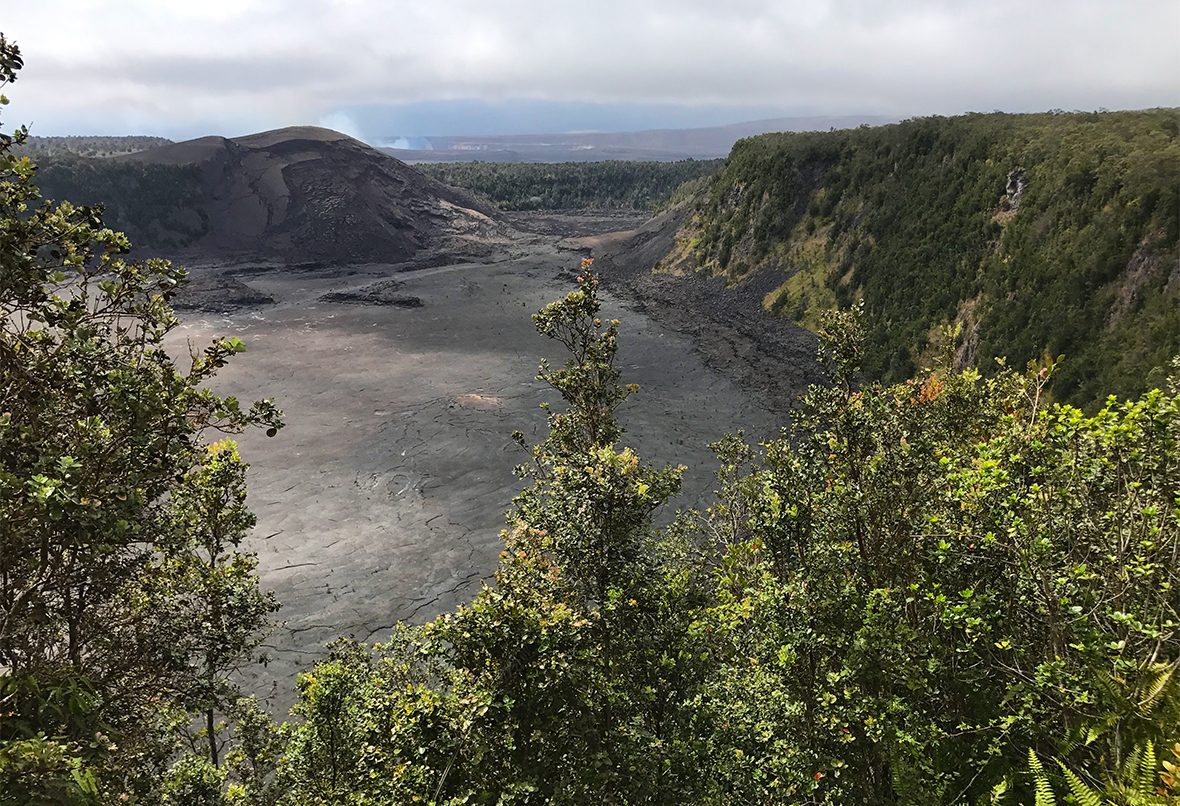
Position yourself at the main viewing platform to photograph the expansive crater floor. This site for kilauea tours from honolulu captures the vast scale of the solidified lava lake.
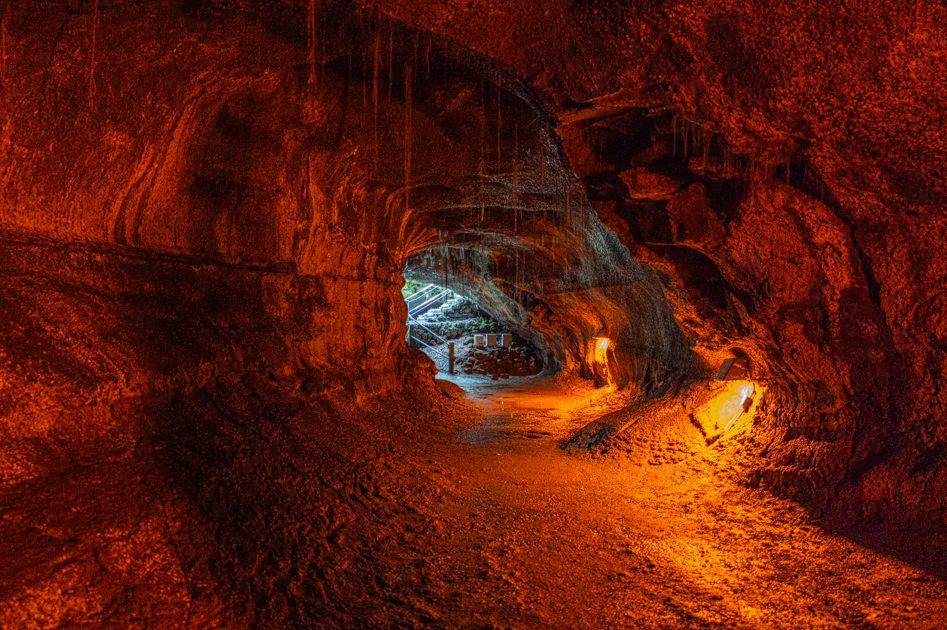
Enter the subterranean corridor to document the textured basalt walls formed by ancient flowing lava. Use a tripod for low-light stability as you frame the lush fern entrance of these kilauea tours from honolulu tours.
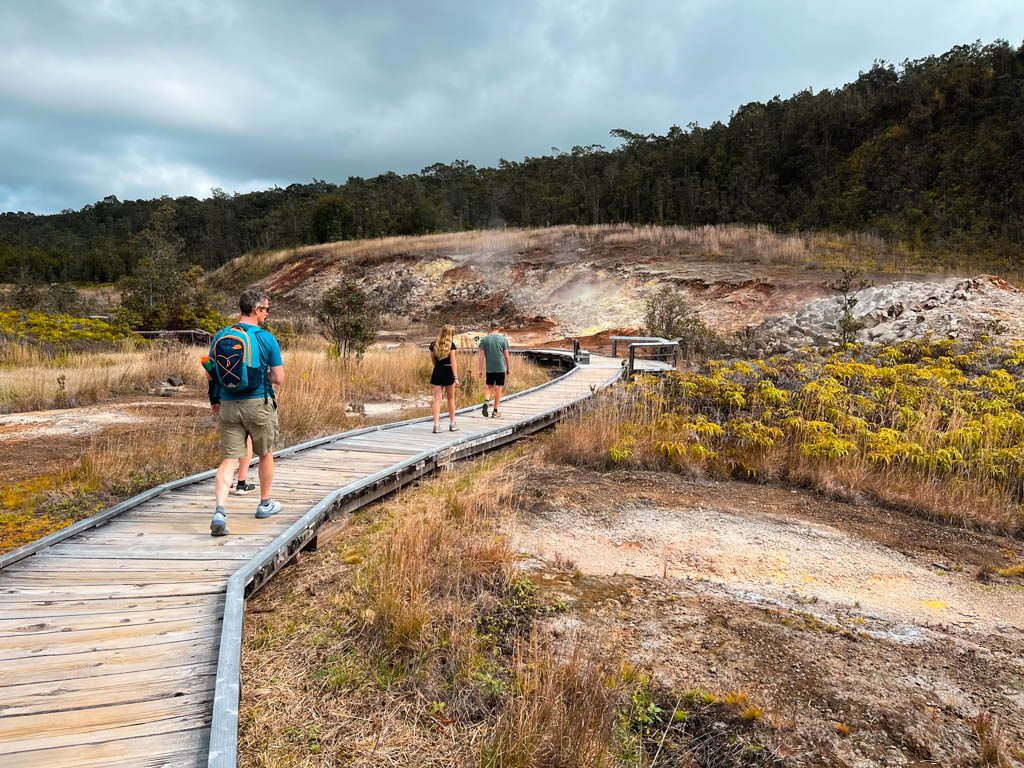
Walk the boardwalk trail to capture the yellow mineral deposits and gaseous vents. The unique colors offer a distinct perspective for those seeking kilauea tours from honolulu tickets to explore the caldera rim.
Planning kilauea tours from honolulu allows your family to explore a world-class volcanic landscape where kids can discover subterranean tunnels and dramatic crater vistas. These adventures offer unique educational value, though require careful preparation for changing conditions.
Paved paths like the Sulphur Banks trail or segments of the Crater Rim are suitable for strollers, but rugged terrain elsewhere may require a carrier.
School-age children often enjoy the Junior Ranger program, while younger toddlers appreciate the shorter boardwalk strolls near steaming vents.
Restrooms are located throughout the park, but they frequently lack changing tables, so bringing a portable changing pad is essential for your kilauea tours from honolulu tickets plan.
To maximize your day, follow the 06:00–10:00 arrival window to secure parking at major trailheads before mid-day crowds peak.
The rainforest environment often experiences mist or rain, so pack waterproof layers for everyone when booking a kilauea tours from honolulu tour.
Stay on marked trails to avoid volcanic hazards, and monitor air quality levels to ensure a comfortable experience for little lungs.
Visitors arriving on kilauea tours from honolulu often find that dining options within the park are limited, making preparation essential for a smooth day. While a few venues exist near the crater, many guests packing their own meals appreciate the convenience of the designated areas when securing kilauea tours from honolulu tickets.
Located at the Volcano House, this venue offers views of the caldera and serves locally sourced cuisine. It is a popular choice for sit-down meals after completing various kilauea tours from honolulu tour itineraries.;Uncle George's Lounge
Everything you need to know for your journey
The park is open 24 hours a day, 7 days a week, 365 days a year.
Yes, the standard entrance pass is 30 USD per private non-commercial vehicle, valid for 7 days.
Arriving between 06:00 and 10:00 is recommended to secure parking at popular trailheads.
Yes, items like drones and glass containers are prohibited; see the practical section for the full list.
The summit and visitor center are accessible, though rugged hiking trails may present challenges.
You should bring plenty of water and snacks, as facilities are limited within the park.
Bring sturdy hiking shoes, layers of clothing, a rain jacket, and a flashlight.
Check your specific operator's policy, as most require 48–72 hours notice for a refund.
Yes, family members are welcome, but children should stay on marked trails near volcanic areas.
Historic hotel offering panoramic caldera views.
Historic lodge located inside the national park boundaries.
Join thousands of happy travelers who have discovered this incredible experience
Book Your Experience Now