7 hr
Hawaii Volcanoes National Park and Hilo Discovery Tour
- Expert local guide
- Small group
- Skip-the-line access
- Free cancellation
Kilauea Tours — Active Volcano Access & Crater Trails
Walk the caldera rim where molten earth reshapes itself, hourly and without ceremony
Compare fares, pick the fit — all bookings are mobile-voucher and eligible for free cancellation where shown.
7 hr
11 hr
12 hr
| Experience | Duration | Rating | Skip-the-line | Guide | Small group | Free cancel. | Price | |
|---|---|---|---|---|---|---|---|---|
|
Guided Experience
Most popular
Hawaii Volcanoes National Park and Hilo Discovery Tour
|
7 hr | ★ 5.0 | ✓ | ✓ | ✓ | ✓ | €149 | Book → |
|
Guided Experience
Big Island Volcanoes, Waterfalls & Coffee Farm Adventure
|
11 hr | ★ 4.9 | ✓ | ✓ | ✓ | ✓ | €242 | Book → |
|
Guided Experience
Big Island Volcano & Stargazing Adventure with Dinner
|
12 hr | ★ 4.8 | ✓ | ✓ | ✓ | ✓ | €271 | Book → |
Worth it for volcano enthusiasts and nature lovers
At $30 per vehicle for seven consecutive days, kilauea tours deliver exceptional value compared to most national park experiences. The entrance fee grants access to over 323,000 acres of volcanic terrain, including the active Kīlauea caldera, Halemaʻumaʻu crater with its visible lava lake, and eleven distinct climate zones ranging from sea level to 13,677 feet. You'll witness ongoing volcanic activity—steam vents, sulfur deposits, and glowing lava—that few places on Earth can match. The week-long validity means multiple visits cost nothing extra, letting you explore Chain of Craters Road at sunrise, hike through lava tubes mid-morning, and return for sunset crater views without paying again. For families or groups sharing one vehicle, the per-person cost drops to roughly $5–8, making it one of Hawaii's most affordable adventures. Solo travelers and geology buffs find the admission fee justified within the first hour at the rim overlooks alone.
Bottom line: The multi-day access and rare volcanic geology make Kilauea tours tickets one of Hawaii's best-value outdoor investments.
Organized kilauea tours provide expert geological insights, while self-guided exploration offers total control over your itinerary; most visitors find that structured trips provide better context for the volcanic landscape.
|
Top pick Kilauea Tours |
Self-Guided Exploration | |
|---|---|---|
| Logistics | Managed by operators | Personal vehicle management |
| Navigation difficulty | Low (guide-led) | Moderate (map required) |
| Depth of educational commentary | Extensive professional narrative | Limited to signs and brochures |
| Flexibility to set pace | Fixed schedule | Fully independent |
| Transportation requirements | Shuttle or tour van | Personal rental vehicle required |
| Accessibility of kilauea tours tickets | Requires advance booking | No tickets required |
| See tickets & prices |
Verdict: Choose professional kilauea tours tour options for a deeper understanding of the geology, or opt for self-guided exploration to enjoy the freedom of traversing the caldera at your own speed with kilauea tours tours.
Hand-picked experiences loved by thousands of travelers
5 hours
Free Cancellation
Explore Hawaii's volcanic wonders, cascading waterfalls, and cultural landmarks on this comprehensive island journey
7 hours
Free Cancellation
Explore Hawaii's volcanic landscapes, from Kilauea's steaming crater to Punaluu's black sand shores
3 hours
Free Cancellation
Trek through native rainforest and across ancient lava formations in Hawaii's remarkable volcanic landscape
7 hours
Free Cancellation
Seven-hour journey through volcanic landscapes, rainforest cascades, and unique coastal beaches
8 hours
Free Cancellation
Journey through Big Island's dramatic landscapes, from cascading waterfalls to active volcanic craters
12 hours
Free Cancellation
Discover Hawaii's volcanic landscapes, black sand beaches, and Kona coffee on a full-day island loop.
5 hours 30 minutes
Free Cancellation
Explore Kilauea's summit, walk through lava tubes, and discover Hilo's waterfalls on this guided Big Island adventure
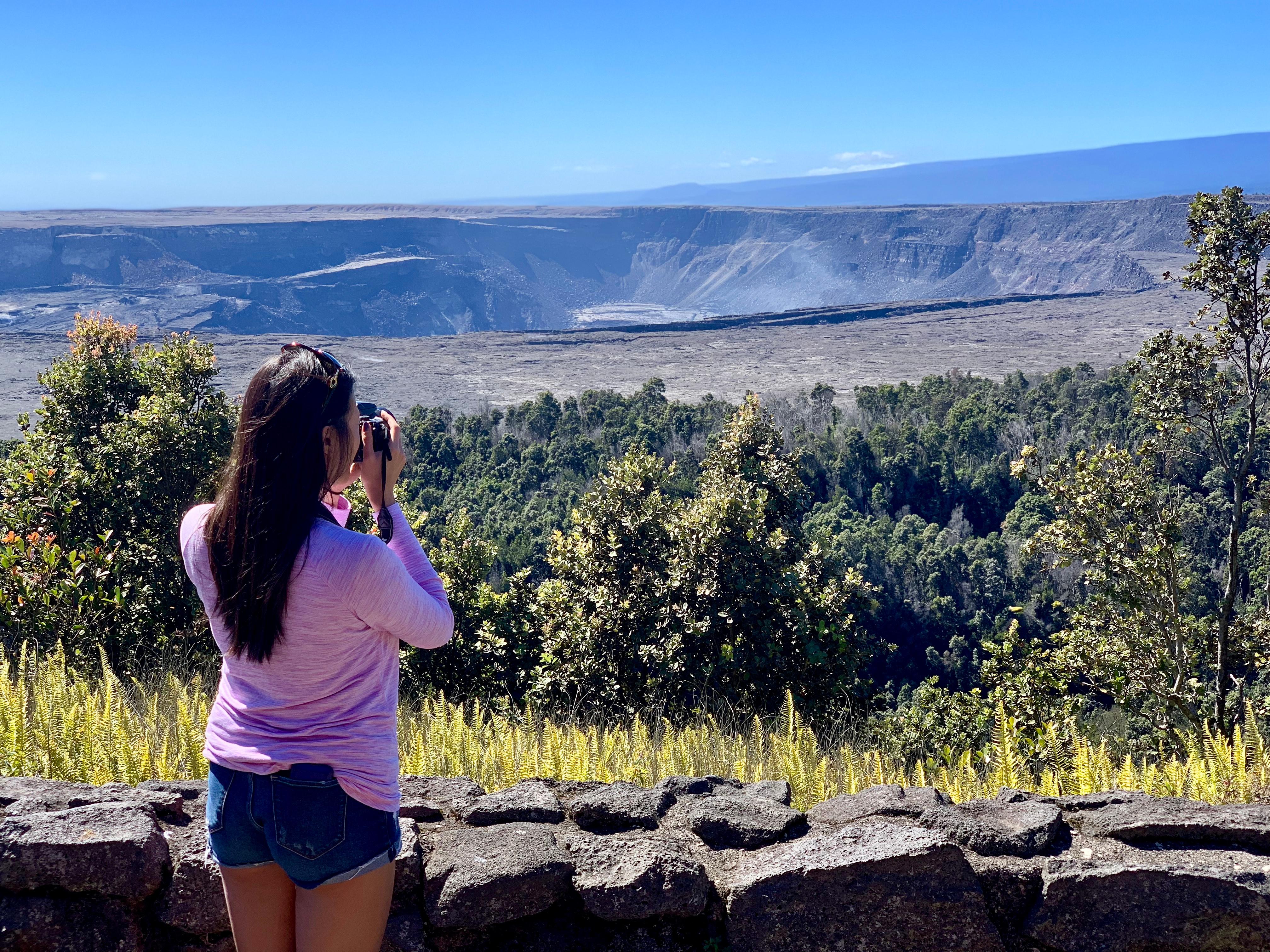
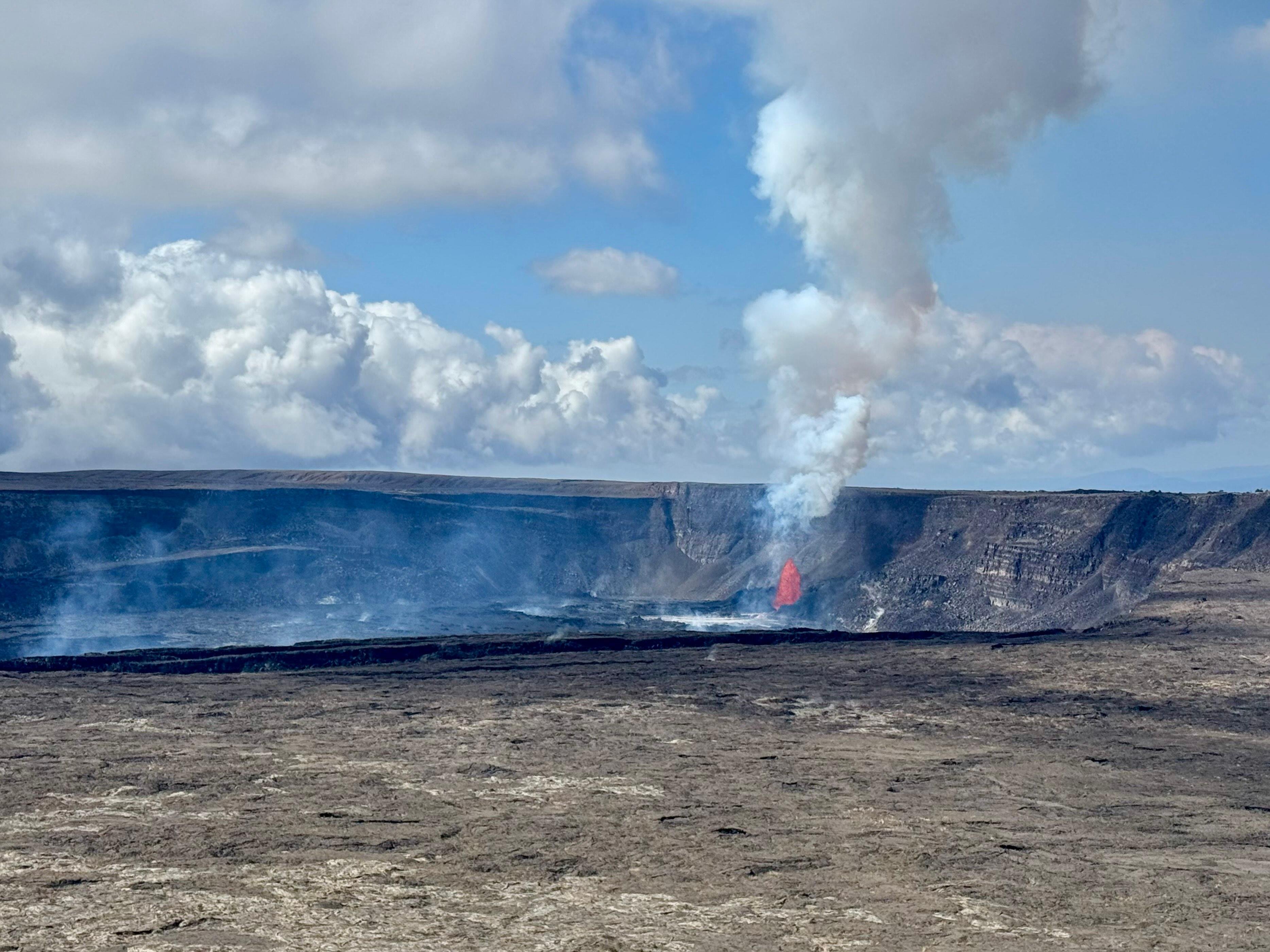
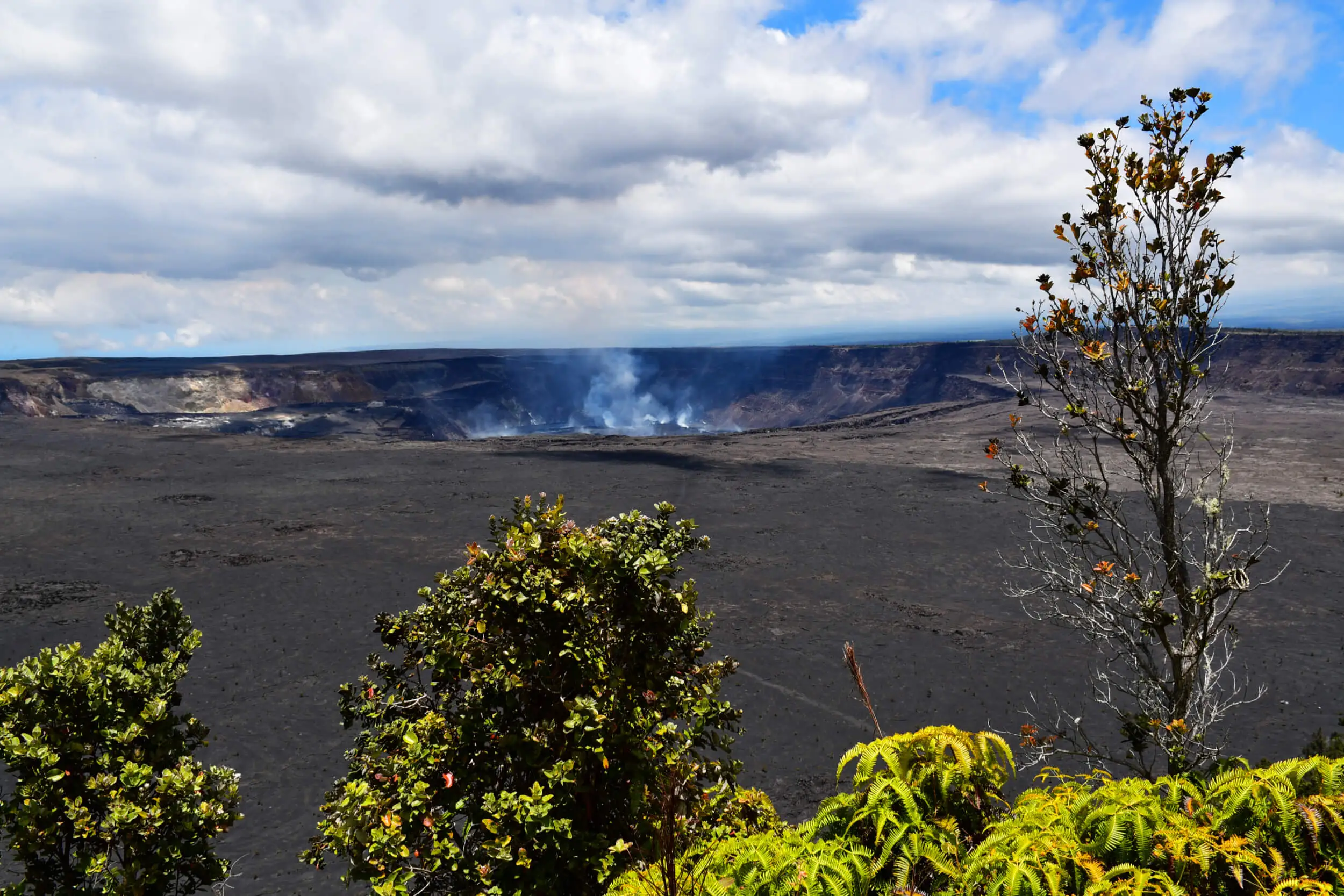
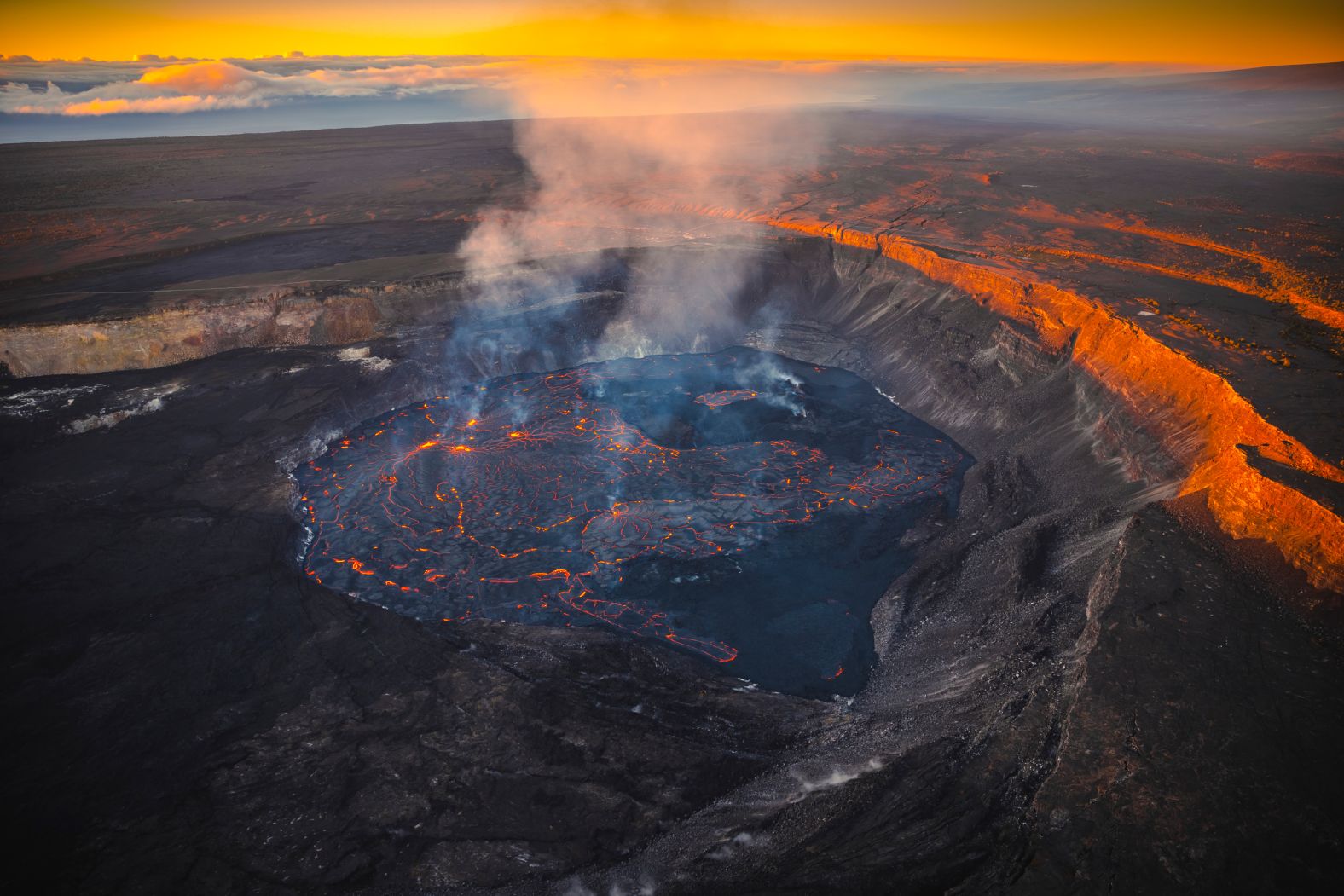
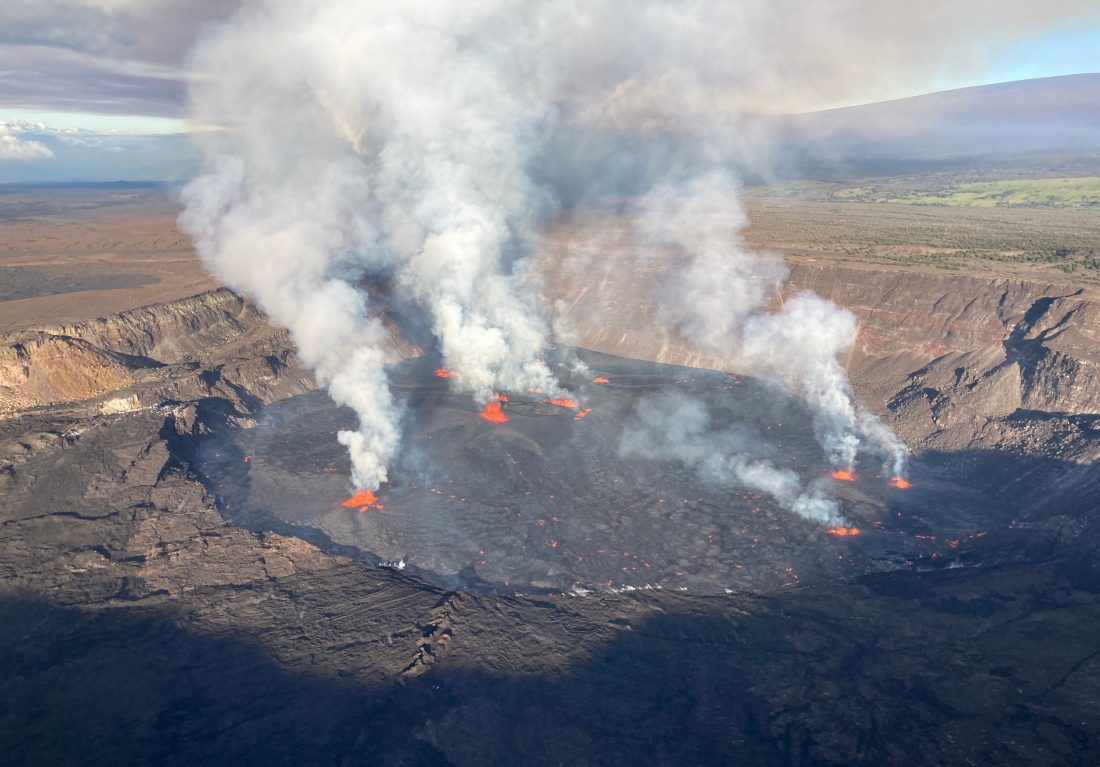
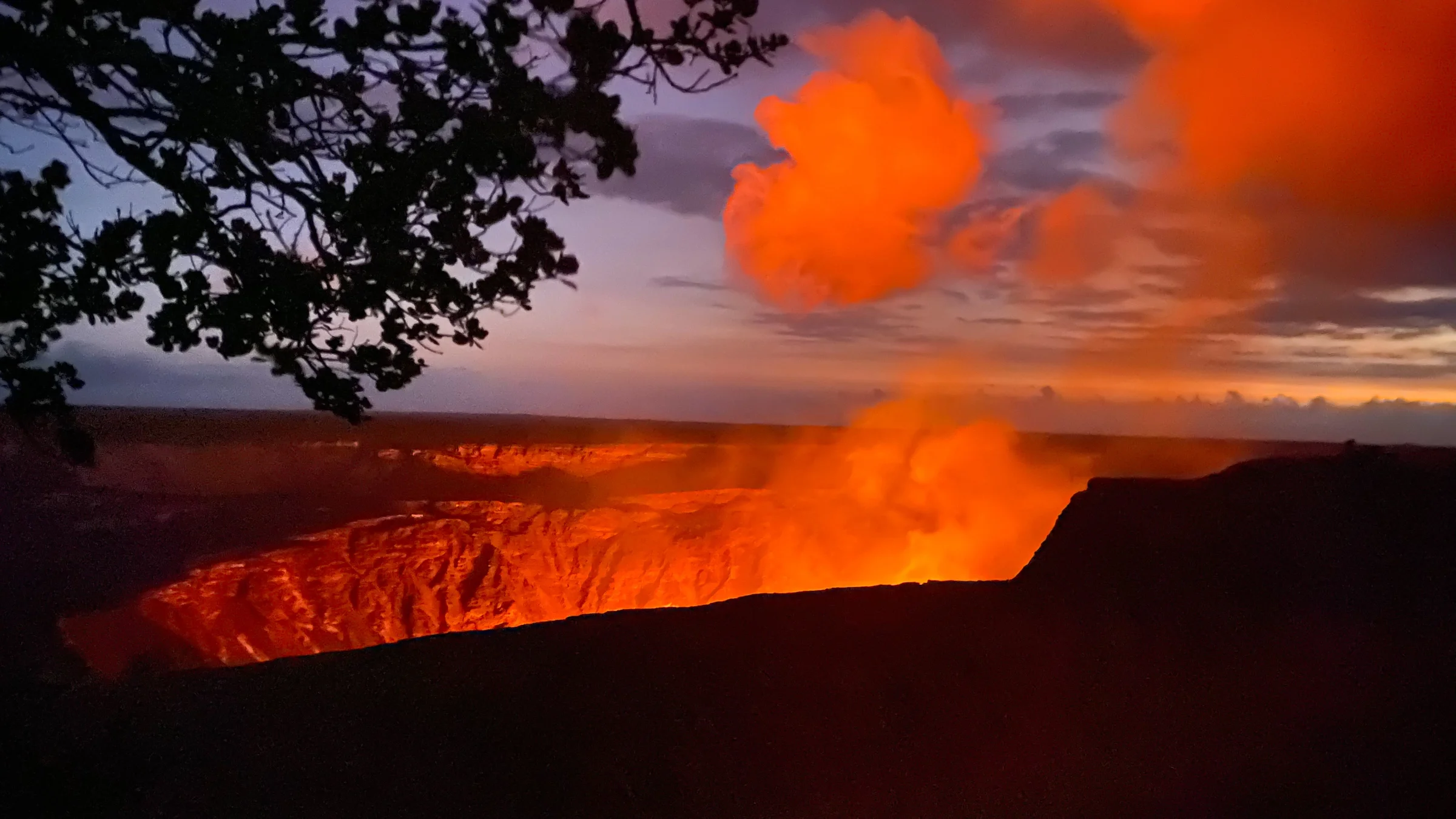
The summit caldera holds this crater which is central to kilauea tours and deeply significant in Hawaiian culture.
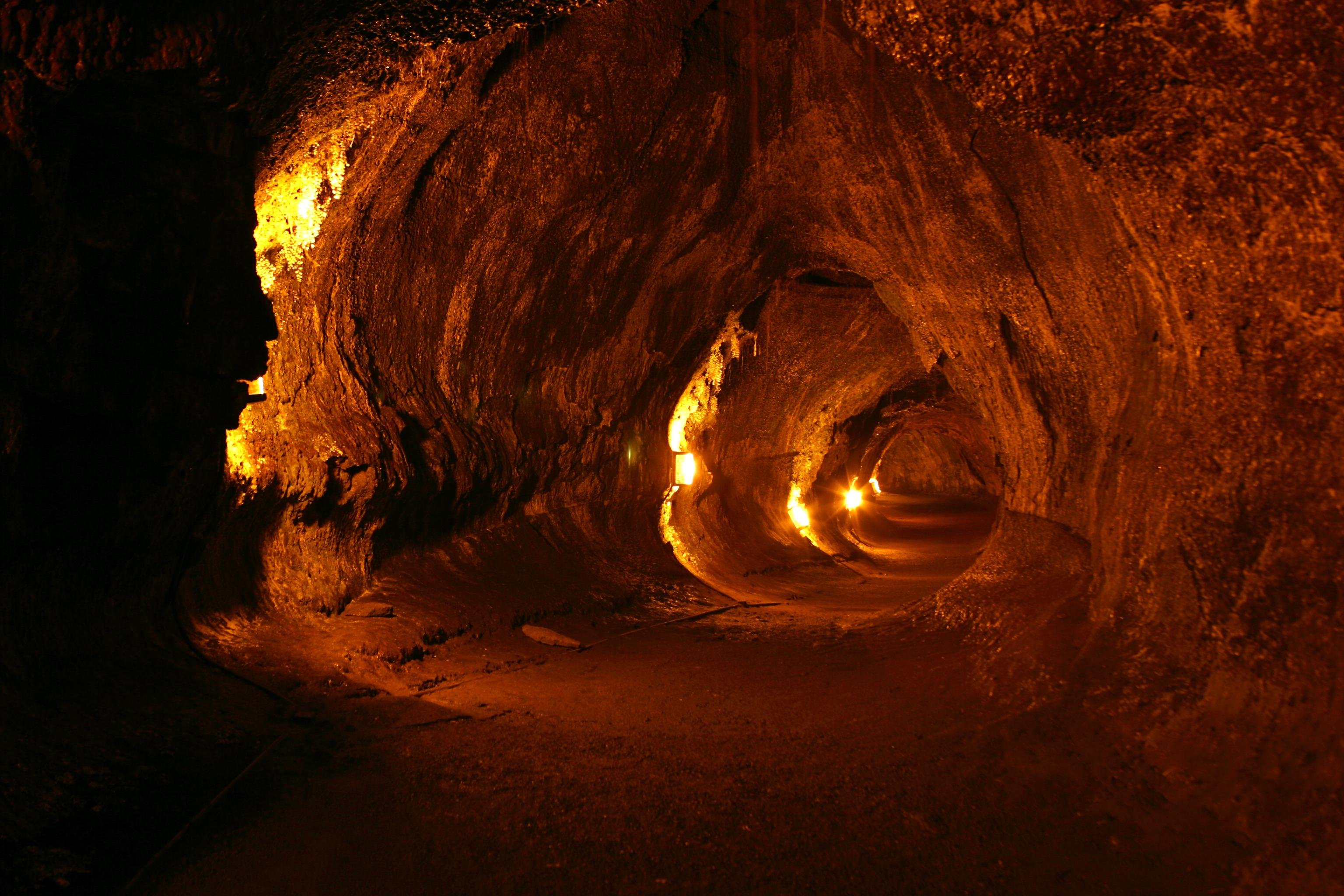
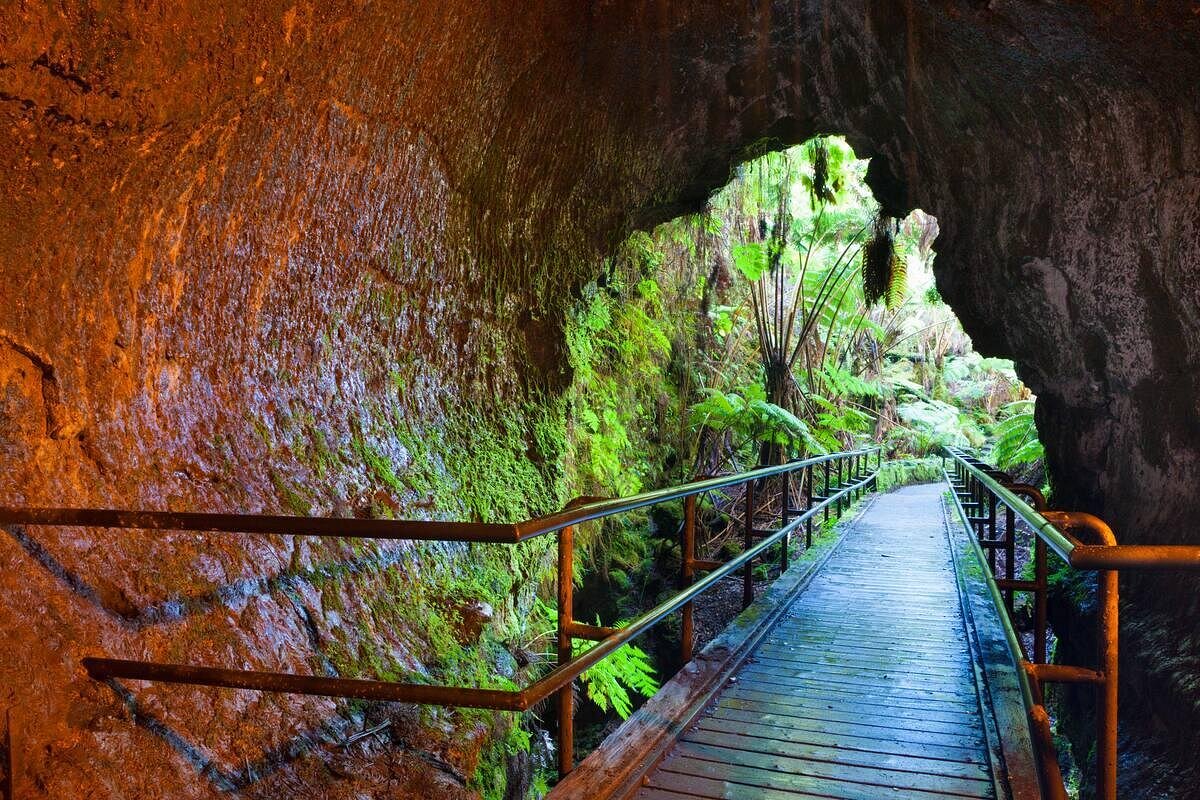
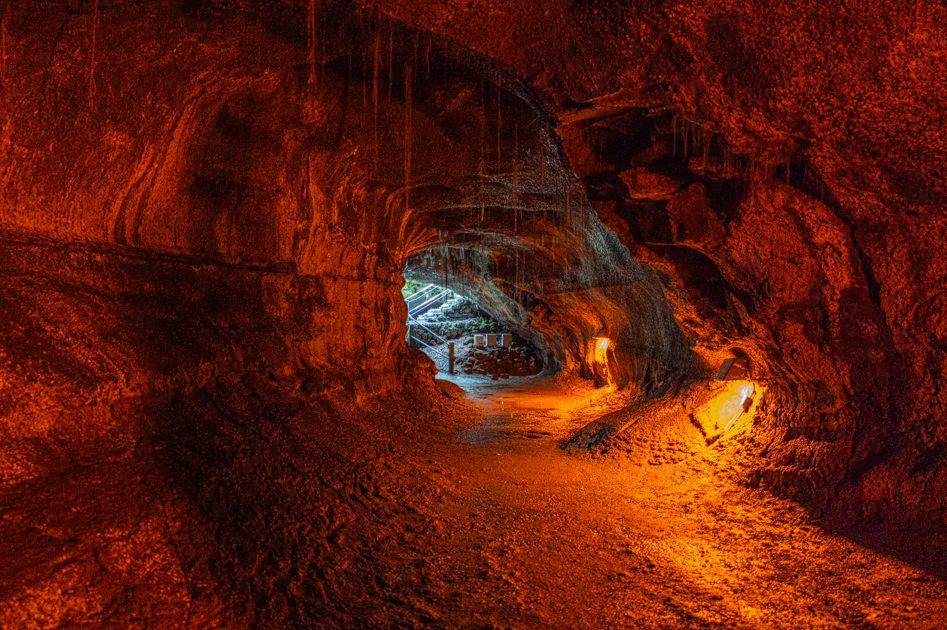
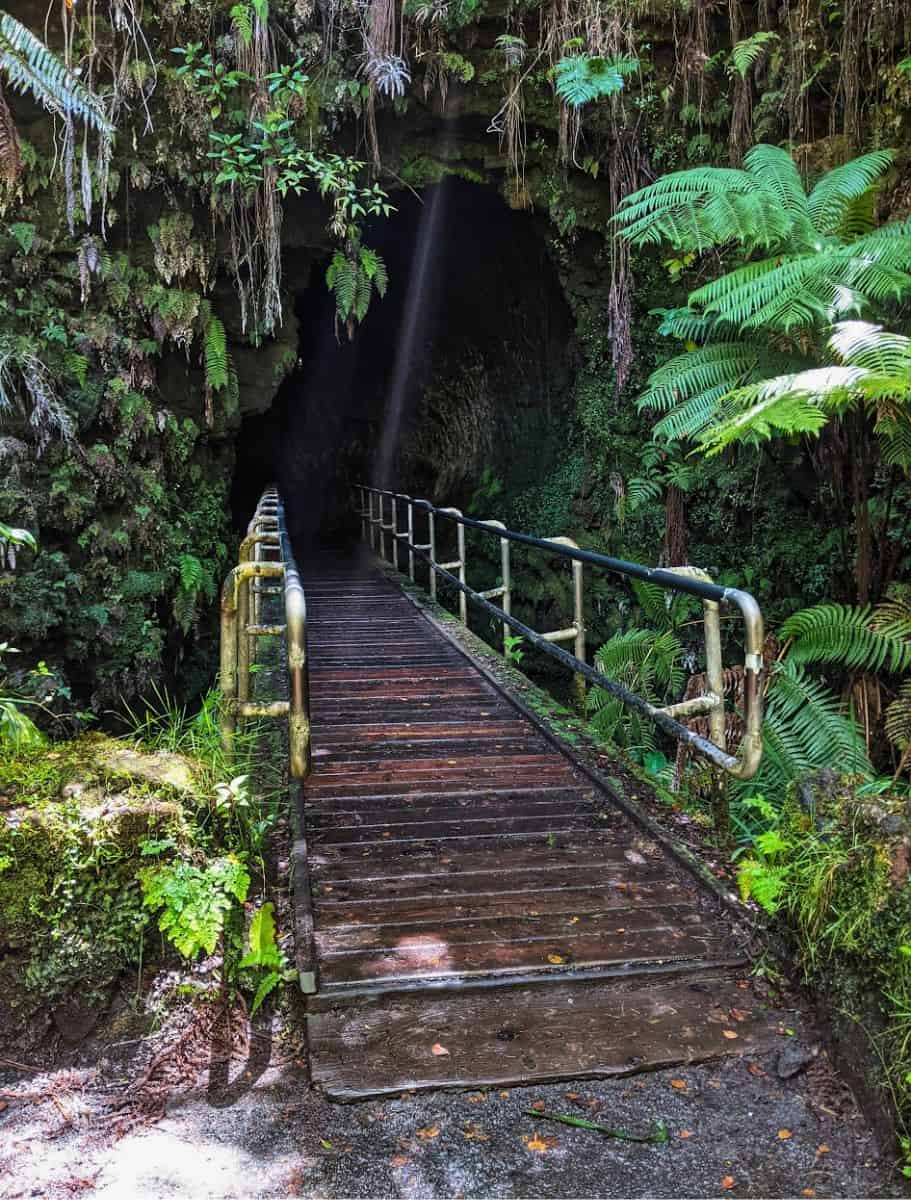
A prehistoric lava tunnel that allows visitors to walk through a lush forest canopy into a subterranean wonder.
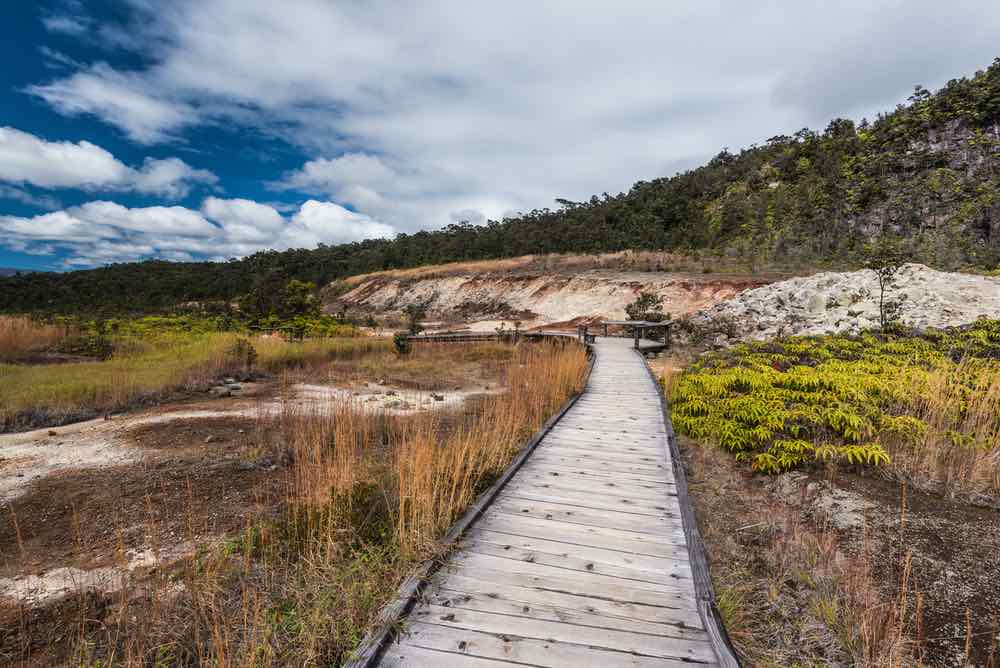
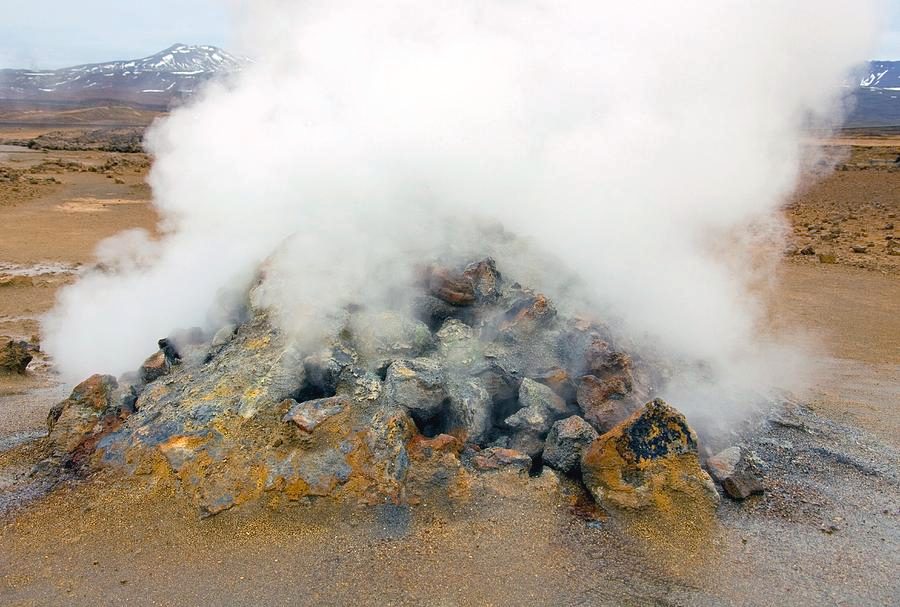
Explore these colorful, steaming vents that highlight the geothermal activity of the park.
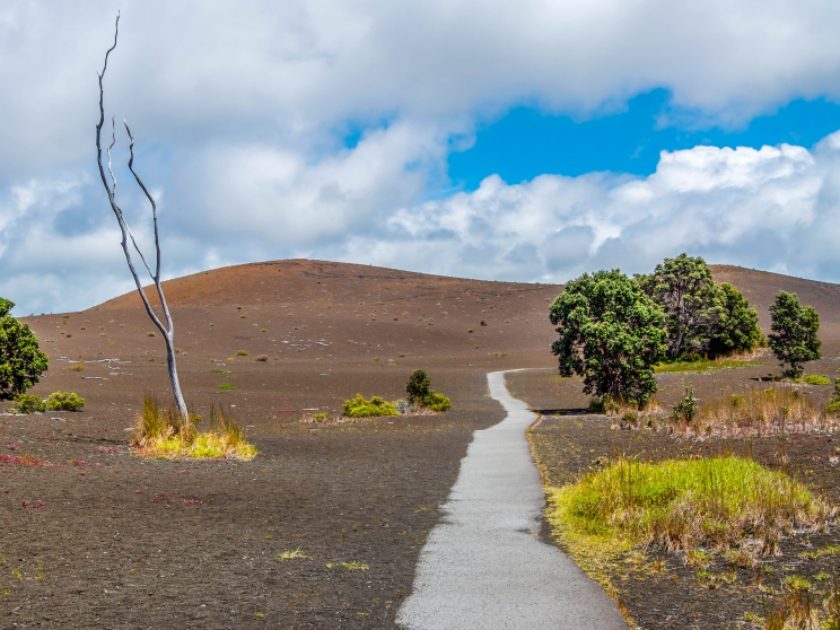
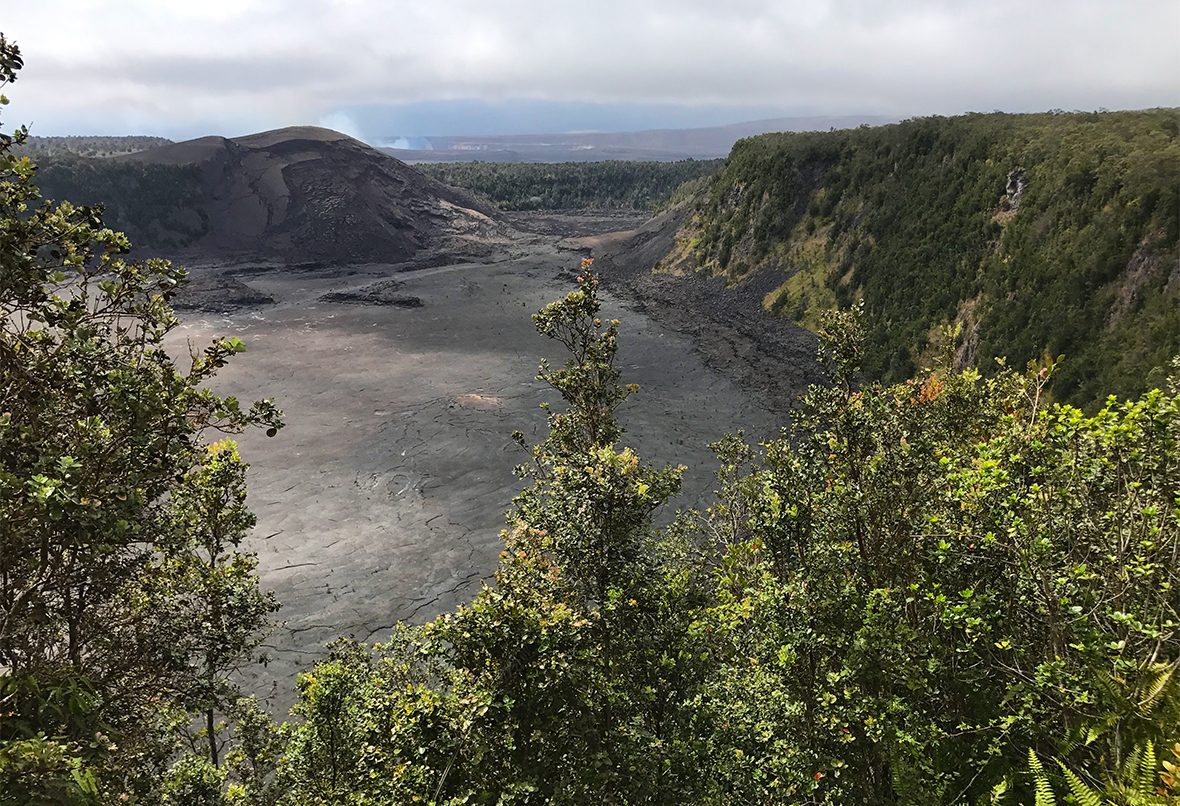
Walk through a stark landscape transformed by past volcanic activity and witness the resilient ecosystem.
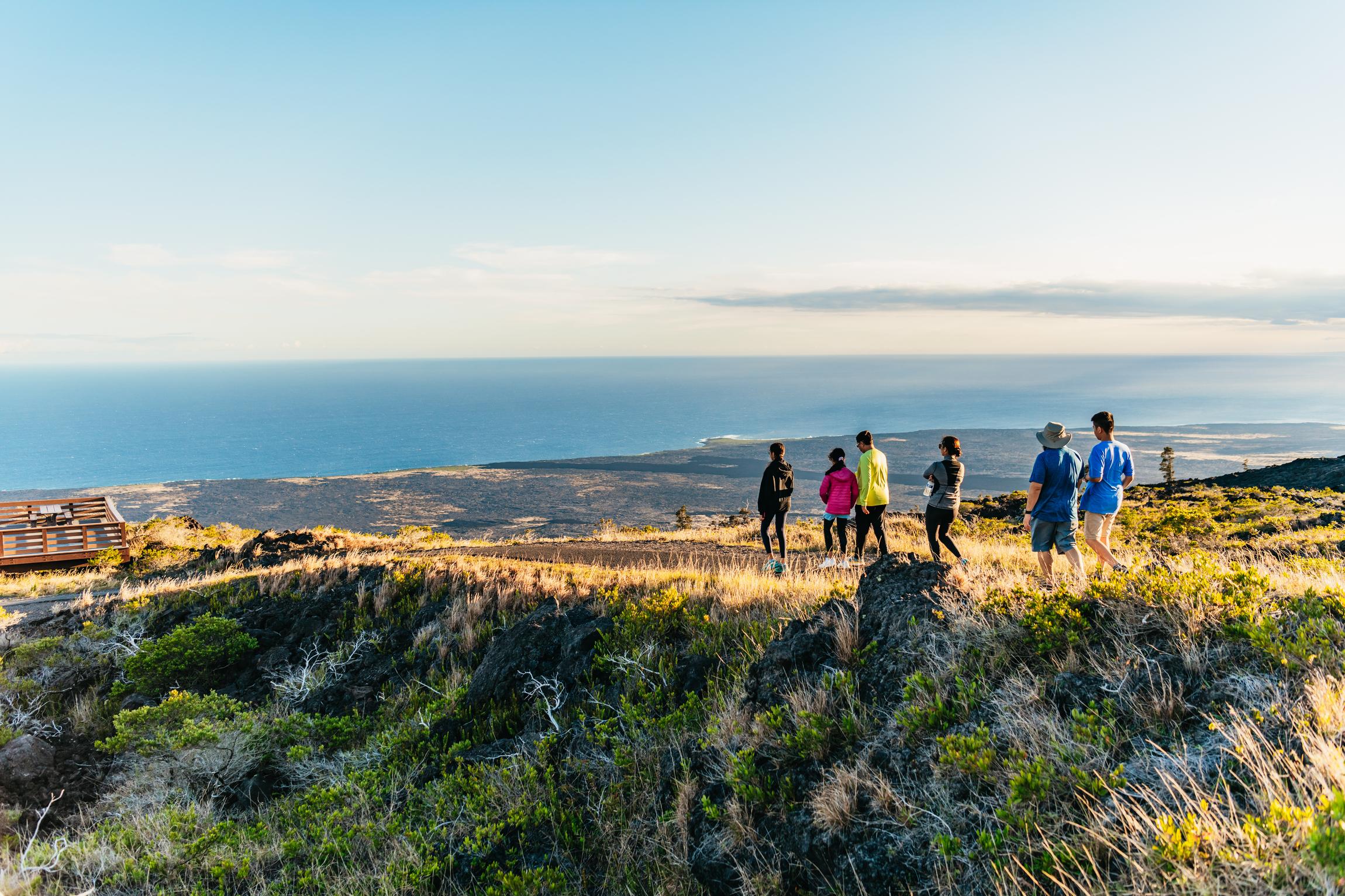
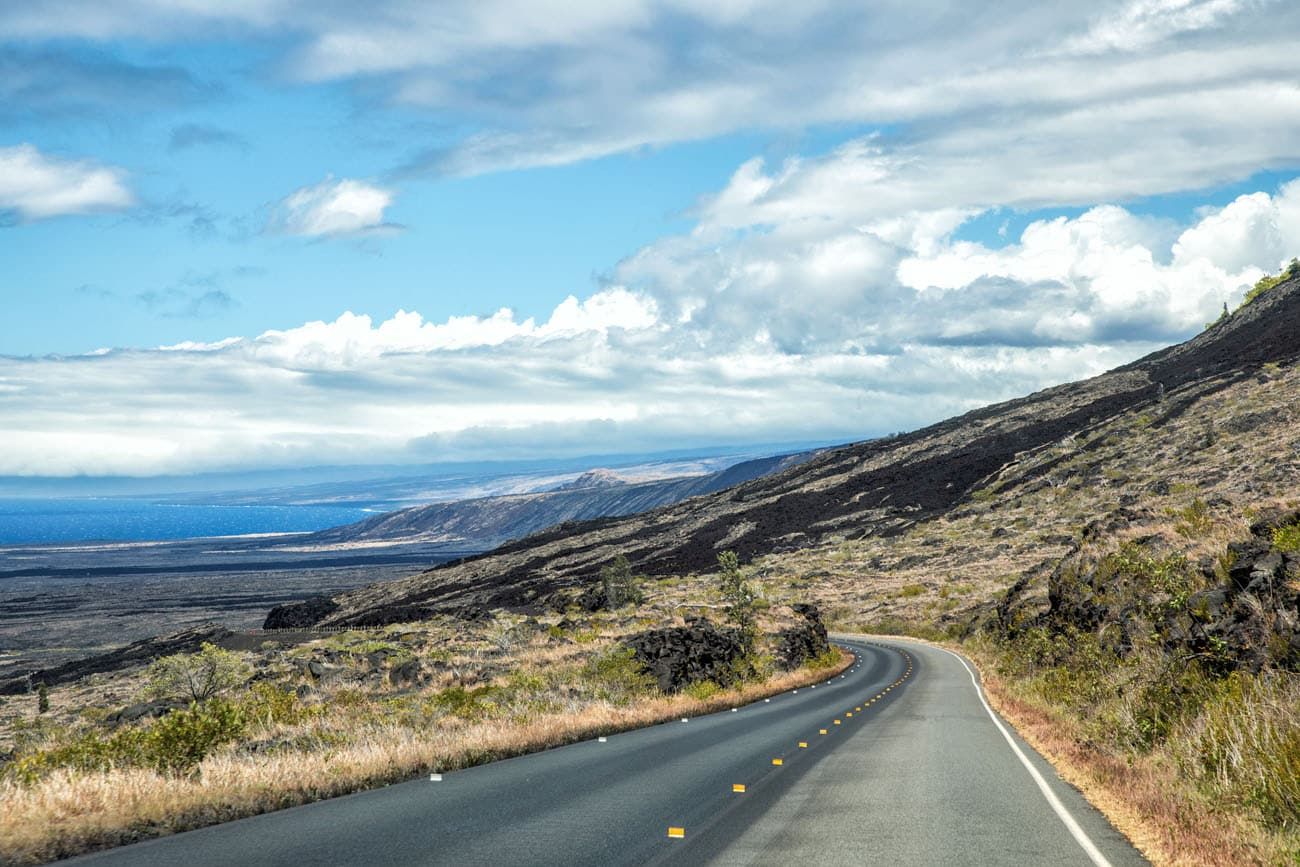
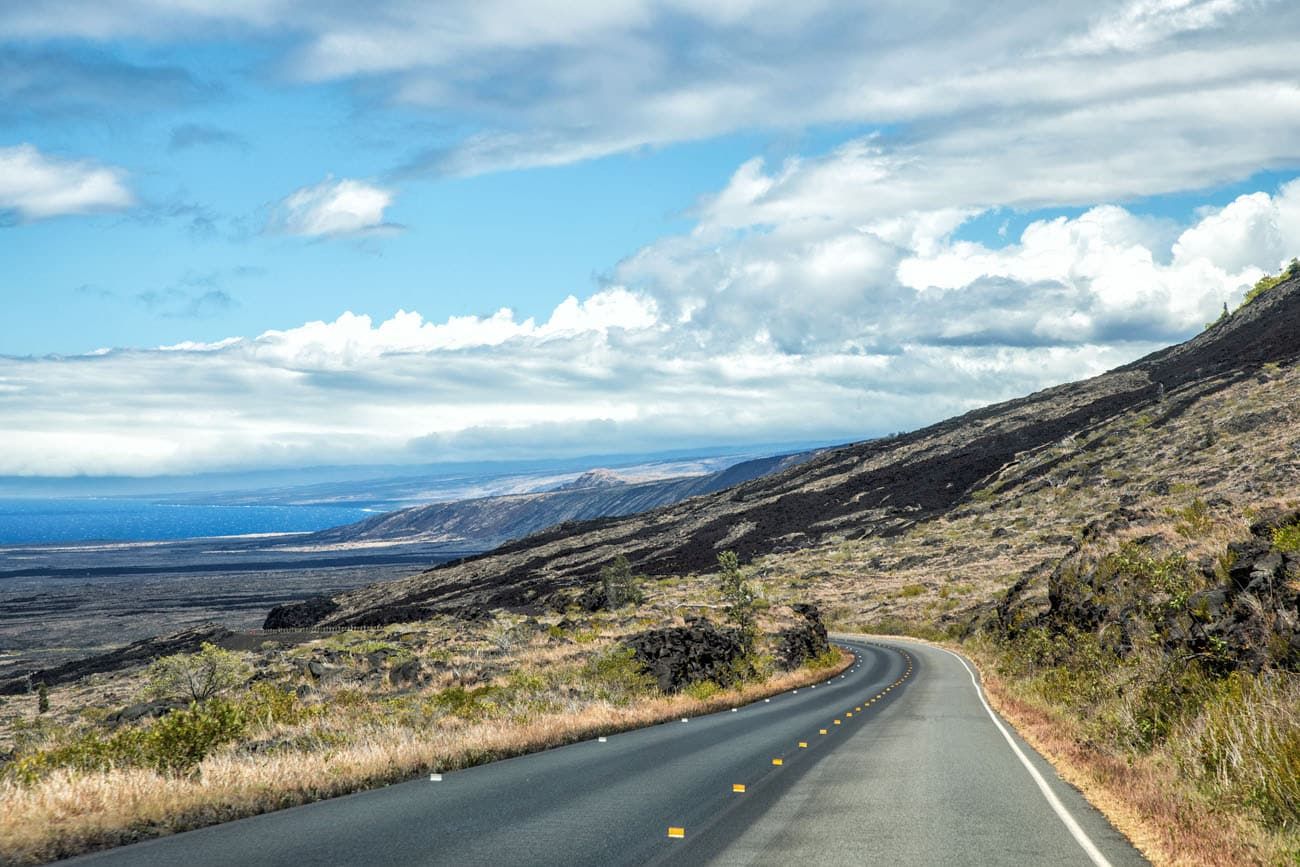
A winding scenic drive that descends from the summit to the Pacific Ocean.
You enter through the Kilauea Visitor Center at 7:15 a.m., before tour buses arrive from the coastal resorts, and collect a trail map marked with current closures.
The Crater Rim Trail begins just beyond the parking area, and you follow it clockwise past steam vents that hiss with the heat of rocks 200 degrees below your feet. At Steaming Bluff, sulfur crystals crust the rocks, and the air smells sharply of rotten eggs. You continue to the Halemaʻumaʻu overlook, where a ranger is setting up a spotting scope aimed at the lava lake 300 feet below; the surface churns in slow convection cells, and if you watch for ten minutes you see a fountain pulse briefly at the lake's center before subsiding.
You walk the half-mile spur to the Thurston Lava Tube entrance, descending wooden stairs into the rainforest where the temperature drops ten degrees. Inside the tube, the ceiling is scalloped from the last surge of lava that drained through, and the floor is worn smooth by a century of foot traffic. You emerge on the far side and loop back through the fern forest, then drive Chain of Craters Road to the coastal flats, where the 2018 lava flow buried the old highway under sixty feet of rock. A single road sign protrudes from the frozen black surface, marking a route that no longer exists.
All the details about your upcoming adventure in one place
Kilauea tours provide direct access to one of the world's most active volcanoes within Hawaii Volcanoes National Park on the Big Island. Guided volcano expeditions lead visitors through lava tube caves, past steam vents, and to overlooks of the Halema'uma'u crater, where molten lava activity continues to reshape the landscape. These kilauea tours tours range from half-day excursions to full-day explorations combining Thurston Lava Tube, Chain of Craters Road, and petroglyph fields.
Kilauea has been in a state of continuous eruption for all but two of the last forty years, making it the world's most active shield volcano and a living laboratory for volcanology.
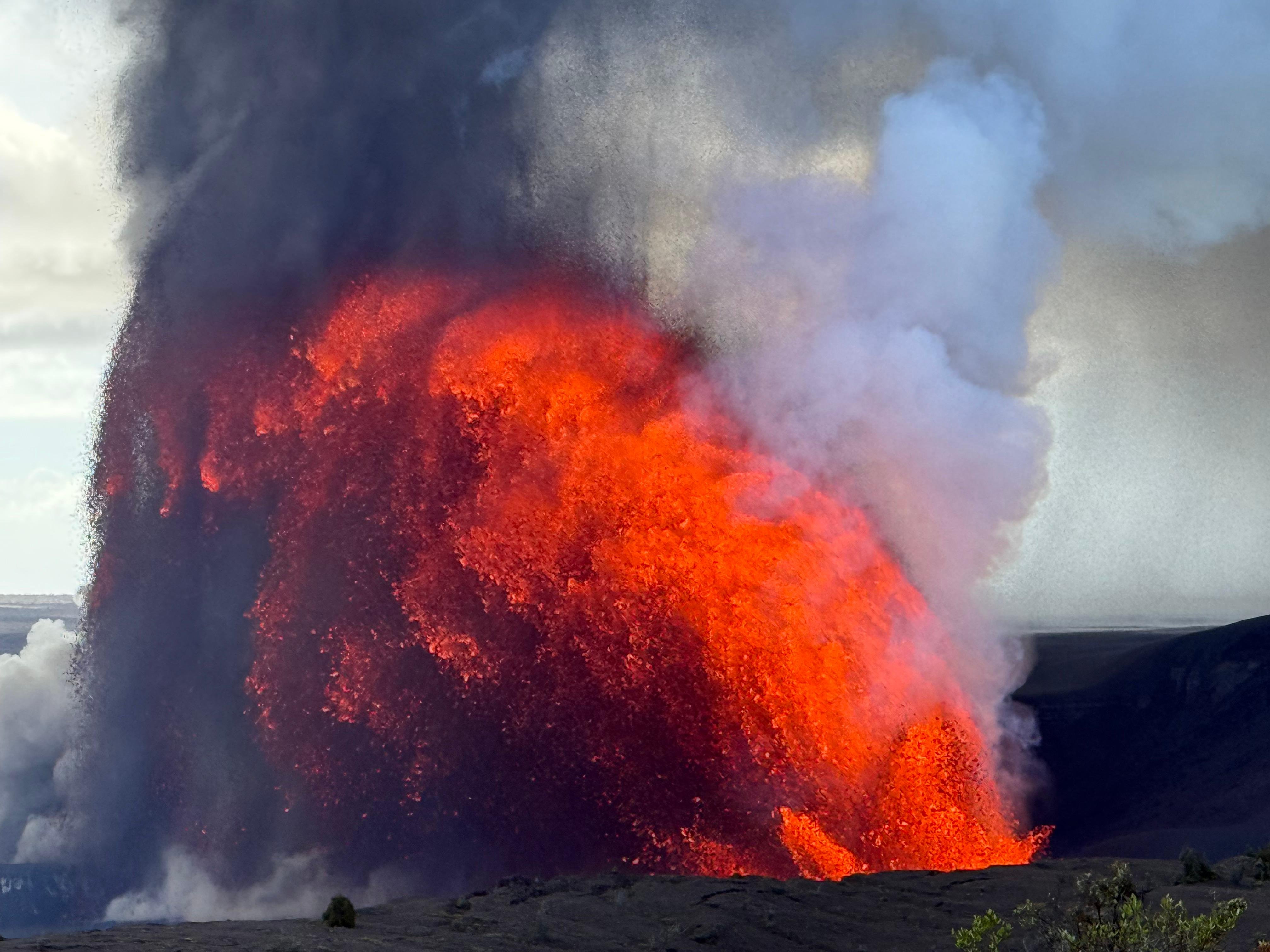
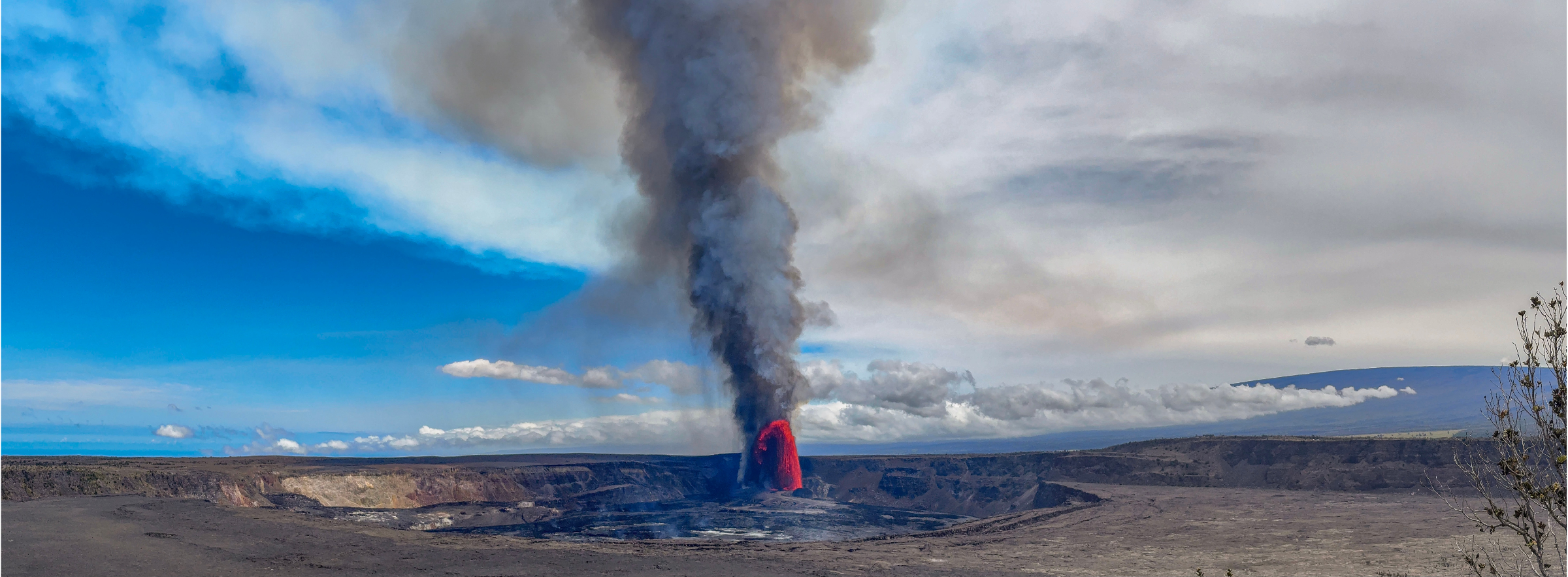
The current eruptive phase, which began in December 2020 within Halemaʻumaʻu crater, fills the basin with a lava lake that rises and falls with the rhythm of magma supply from the mantle plume beneath the Pacific Plate. Thomas Jaggar established the Hawaiian Volcano Observatory on the crater rim in 1912, and scientists have monitored every tremor, gas emission, and thermal shift since.
The summit caldera collapsed in 2018 during a lower East Rift Zone eruption that drained the lava lake and triggered thousands of earthquakes, reshaping the landscape visitors see today. Crater Rim Drive, once a complete loop, now ends abruptly where the road fell into the widened abyss. The park reopened in stages, and by 2026 most trails have been cleared, though rangers still close sections when sulfur dioxide concentrations spike or new fissures open. Steam vents line the caldera floor, and the smell of sulfur dioxide is a constant companion on windless mornings. Kilauea tours from Hilo typically cover the eleven-mile drive to the summit, while kilauea tours from Kona cross the island's width and often combine volcano access with stops at black sand beaches formed by recent flows.
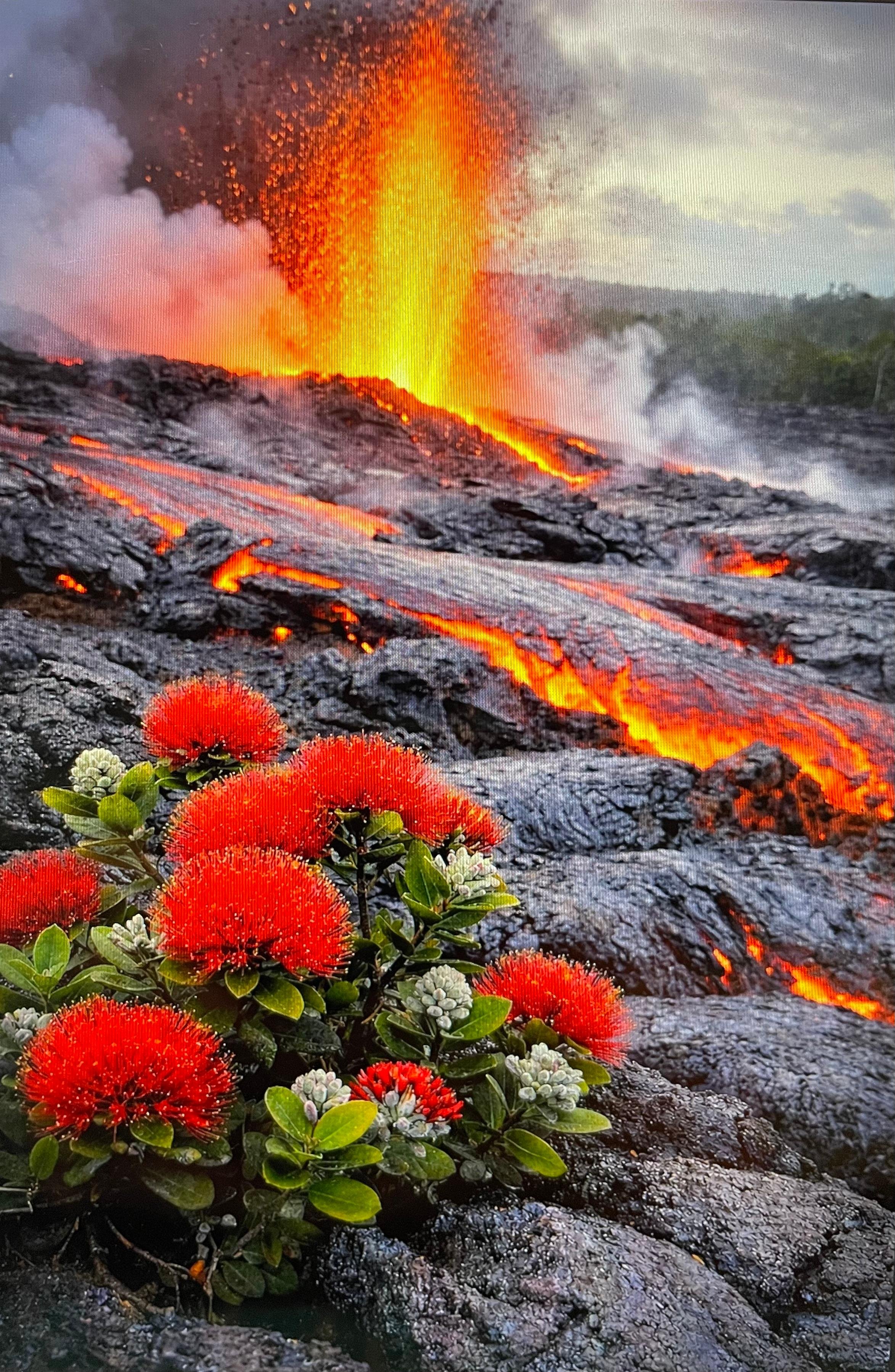
The Thurston Lava Tube, a 500-year-old tunnel carved by fast-moving pahoehoe lava, remains one of the most visited features. The tube is lit and paved, but the rainforest approach is unlit at dusk, and visitors who arrive after sunset walk through a canopy of tree ferns backlit only by headlamps. Kilauea volcano tours often include ranger-led talks at the Jaggar Museum overlook, where interpretive panels explain how basaltic magma with low silica content allows gases to escape gently, producing effusive eruptions rather than explosive ones. The Devastation Trail crosses a cinder field left by the 1959 Kilauea Iki eruption, where ʻōhiʻa lehua trees have begun their slow return through cracks in the aa lava. Evening glow from the active lava lake is visible from several overlooks when atmospheric conditions cooperate, though the park cautions that visibility depends on wind direction and gas venting patterns.

Kilauea has been in a state of continuous eruption for all but two of the last forty years, making it the world's most active shield volcano.
Wear sturdy, closed-toe hiking shoes and layers, as summit temperatures during kilauea tours can be 15 degrees cooler than at sea level. Rain gear is recommended due to frequent weather changes in the rainforest.
Visitors on kilauea tours should carry only essential gear in a comfortable daypack. Be prepared to show your park pass and valid photo identification at the entrance station.
Photography is encouraged throughout your kilauea tours experience. Capture images of crater glow at night, but remain behind safety railings at all times.
Families participating in kilauea tours often enjoy the short walks through steam vents. Keep children supervised near all volcanic features and uneven lava rock.
Many viewpoints for kilauea tours are accessible via paved paths near the visitor center. Trail conditions vary significantly, so consult rangers for the best accessible options.
Carry ample water and snacks for your kilauea tours excursion. Facilities are limited within the park, so pack out all trash to keep the environment pristine.
Opening Hours
00:00–23:59
Address
1 Crater Rim Drive, Hawaii National Park, HI 96718
Entry Status
Always open for kilauea tours
Best Arrival
00:00–08:00
Park Rules
No lockers available
Navigation
Use official park maps
Entrance passes for kilauea tours are non-refundable and non-transferable. Ensure you purchase the 30 USD standard vehicle pass only when your travel dates are finalized.
Recommended time
4-6 hours
To experience the geological scale of Hawaii Volcanoes National Park, most visitors spend a half day traversing the caldera rim and exploring the steam vents. Engaging in kilauea tours allows for a deeper appreciation of the volcanic landscape, though you should expect longer queue times at popular trailheads if you arrive after midday. Securing your kilauea tours tickets early ensures you can navigate the crater rim drive efficiently. Planning a comprehensive Hawaii Volcanoes National Park tour usually requires several hours to account for moderate walking distances between viewpoints.
Crowd levels through the day
Stand along the paved perimeter to capture the white plumes rising from the earth against a backdrop of native ohiʻa lehua trees. The contrast between the sulfuric vapors and the dark volcanic soil provides a unique texture for landscape compositions.
Position your camera at the edge of this vantage point to document the vast crater floor and its dramatic geologic shifts. Many kilauea tours visitors utilize this spot to frame the caldera during the transitional lighting of dawn.
Use a tripod within the illuminated sections of the tunnel to photograph the damp walls and fern-covered entrance. This subterranean gallery offers a distinct perspective for those interested in cave photography while participating in a Hawaii Volcanoes National Park tour.
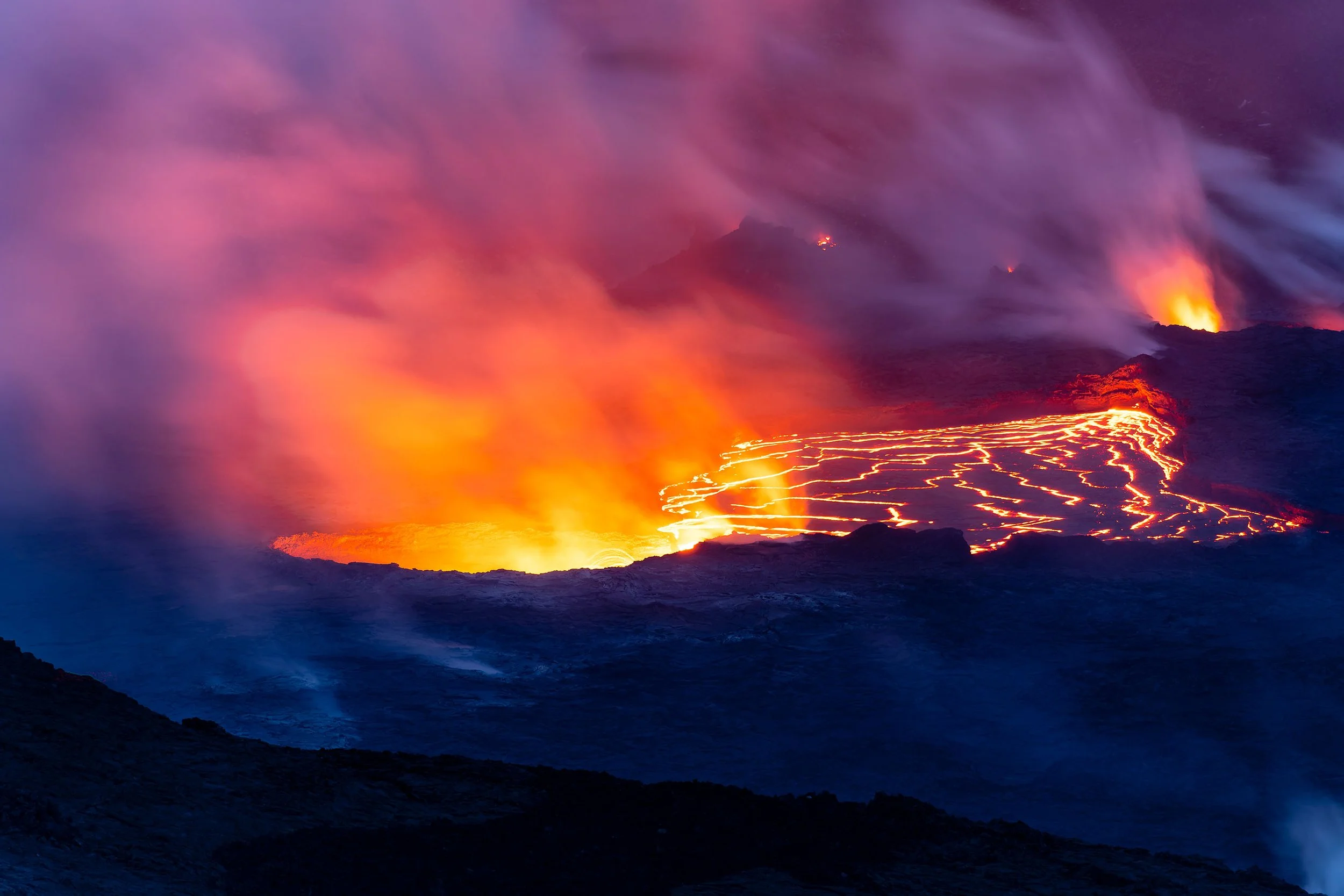
Capture the wide-angle view of the solidified lava lake from the high ridge before descending the trail. These kilauea tours tickets holders often find the scale of the crater most impressive from this elevated vantage.
Visitors seeking fuel for their kilauea tours can choose between the historic dining room located directly on the caldera rim or a selection of cozy, locally-owned eateries in nearby Volcano Village. Whether you are looking for a hearty breakfast before starting your Hawaii Volcanoes National Park exploration or a relaxing dinner after a day on the trails, the area offers high-quality options within a short drive.
Located directly on the edge of the Kilauea caldera, this iconic spot offers expansive views and locally-sourced island cuisine for breakfast, lunch, and dinner. It is a popular choice for travelers needing a meal with a view, so reservations are encouraged for those with firm kilauea tours tours plans.;Lava Rock Cafe
Real experiences from real travelers
We joined one of the kilauea tours with a ranger-led group and learned so much about the volcanic activity. The steam vents were incredibly powerful up close. Saw the glow from Halema'uma'u crater just after sunset and it was otherworldly. Bring layers because the temperature drops quickly at elevation.
The scale of the caldera is difficult to comprehend until you stand at the rim. Our volcano tour guide explained the 2018 eruption impacts and how the landscape continues to change. Thurston Lava Tube was a cool escape from the midday heat. The petroglyphs along the coastal trail added cultural depth to the geological experience.
Booked kilauea tours through the park visitor center and our guide made all the difference. We hiked across hardened lava fields from the 1974 flow and saw native plants reclaiming the terrain. The sulfur smell near the vents is strong but fascinating. Rain passed through quickly in the afternoon, creating dramatic light.
Driving Chain of Craters Road reveals layer after layer of volcanic history. Stopped at multiple overlooks and each offered a different perspective on Kilauea's reach. The lava viewing area had clear signage about safety protocols. Would have stayed longer but we had limited time in the park.
One of the Hawaii volcano tours that actually delivers on its promise. The ranger talk at the Jaggar Museum overlook explained how the current eruption cycle differs from historical patterns. Walking the Devastation Trail showed the recovery process after the 1959 eruption. The air quality was excellent during our visit.
Kilauea tickets were easy to purchase at the entrance and the park map was detailed. We spent six hours exploring craters, lava tubes, and coastal sections. The volcanic landscape shifts dramatically between the summit area and the lower elevations. Bird calls echoed through the ohia forest near the Kilauea Iki overlook.
Joined a volcano expedition that covered both the active and dormant sections of the park. Our guide pointed out how quickly vegetation returns after eruptions in this tropical climate. The black sand beaches formed by lava meeting ocean were striking. Sunset from the caldera rim painted the steam vents in shades of pink and orange.
The interpretive signs throughout Hawaii Volcanoes National Park provide excellent context for what you're seeing. We opted for a guided kilauea tours option and gained insights we would have missed on our own. The sulfur banks area showed vivid yellow and green mineral deposits. Wear sturdy shoes because the lava rock is sharp and uneven.
Standing at the edge of the caldera while volcanic gases rise from below connects you to the island's formation process. The park rangers were knowledgeable and answered every question. We drove down to see where lava flows crossed the road in past eruptions. The contrast between barren lava fields and lush rainforest is striking.
Spent a full day exploring Kilauea and surrounding volcanic features. The morning light made the crater walls glow in shades of rust and copper. Our tour included stops at steam vents where we could feel the heat radiating through cracks in the ground. The park's elevation means temperatures were comfortable even in September.
Everything you need to know for your journey
The park is open 24 hours a day, 7 days a week, making it flexible for all kilauea tours.
Entrance to the park is 30 USD for a standard vehicle pass, valid for 7 consecutive days.
For the best experience on your kilauea tours, aim to arrive between 00:00–08:00 to avoid crowds.
Bring essentials like water, sturdy shoes, and a rain jacket for any kilauea tours tour.
There are no age restrictions for kilauea tours, but paths can be uneven and require caution.
Yes, you may bring food and drinks, but please pack out all waste during your kilauea tours.
The park is located at 1 Crater Rim Drive, Hawaii National Park, HI 96718, and is best accessed by car.
Photography is welcome on all kilauea tours as long as you stay on designated paths.
Kilauea tours operate rain or shine, though volcanic conditions or weather may limit specific access.
Join thousands of happy travelers who have discovered this incredible experience
Book Your Experience Now