

Quick answer
Yes, Kilauea is open for tourists through Hawaii Volcanoes National Park, which operates 24 hours daily, 7 days a week. The park entrance costs 30 USD per private vehicle, valid for seven consecutive days. However, access to specific viewing areas—including Halemaʻumaʻu Crater overlooks and certain hiking trails—depends on current volcanic activity and air quality conditions. The National Park Service updates closure information daily as eruptions, gas emissions, and seismic events evolve.
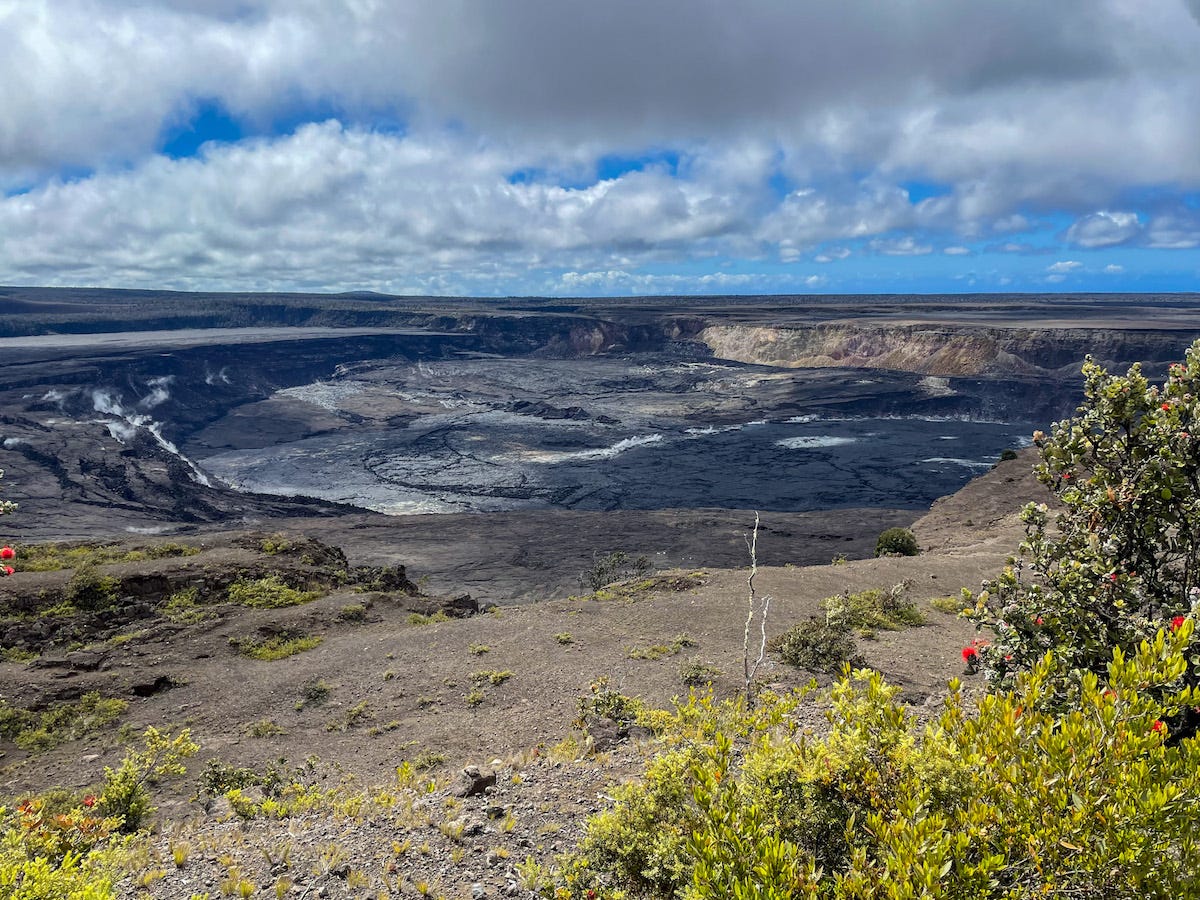
Kilauea has erupted continuously or intermittently for decades, reshaping the Big Island's landscape and redefining what volcano access means for visitors. The summit caldera collapsed during the 2018 eruption, draining the lava lake that had glowed there since 2008 and creating a crater more than 1,600 feet deep. When lava returned to Halemaʻumaʻu in late 2020, it began filling the basin with a new lake of molten rock, offering spectacular nighttime views when activity permits. Whether Kilauea volcano is accessible to visitors on any given day hinges on sulfur dioxide levels, seismic tremors, and the location of active vents. Crater Rim Drive remains partially closed where the road collapsed in 2018, but Devastation Trail, Kīlauea Iki Crater, and Chain of Craters Road provide alternative routes to view recent lava flows and steaming vents. The park's live webcams and daily eruption updates allow you to check conditions before you arrive. Visiting an active caldera requires flexibility. Viewing areas open when gas concentrations drop to safe thresholds, and rangers post real-time closure notices at trailheads and overlooks. Early morning arrivals between 6:00 and 9:00 often encounter clearer skies, cooler temperatures for hiking, and lighter crowds along the rim. If you plan to witness the glow of molten lava after dark, confirm that night viewing is permitted—restrictions shift as eruptive phases wax and wane. The park's 24-hour access means you control your schedule, but respect closure signs and air quality warnings. Volcanic gases can trigger respiratory distress, and unstable ground near active vents poses real danger. Is Kilauea open for tourists? Yes, but the volcano itself dictates which trails and overlooks you can safely explore on the day you visit.
“The summit caldera collapsed during the 2018 eruption, creating a crater more than 1,600 feet deep and fundamentally altering the visitor experience.”
Is Kilauea Open for Tourists: Current Hours and Operational Status
Hawaii Volcanoes National Park and the Kilauea area are open for visitors daily, 24 hours a day. The park operates on this continuous schedule throughout the entire year.
| Monday | 00:00–23:59 | Open 24 hours |
|---|---|---|
| Tuesday | 00:00–23:59 | Open 24 hours |
| Wednesday | 00:00–23:59 | Open 24 hours |
| Thursday | 00:00–23:59 | Open 24 hours |
| Friday | 00:00–23:59 | Open 24 hours |
| Saturday | 00:00–23:59 | Open 24 hours |
| Sunday | 00:00–23:59 | Open 24 hours |
How to Reach Kilauea When the Park Is Open for Tourists
Hawaii Volcanoes National Park is located on the Big Island of Hawaii. The most practical way to reach the park entrance at 1 Crater Rim Drive, Hawaii National Park, HI 96718 is by car.
Highway 11 from Hilo (approx. 30 miles)
Highway 11 from Kailua-Kona (approx. 96 miles)
Local shuttle or private car service to Hawaii National Park
Best Time to Visit When Kilauea Is Open for Tourists
The best arrival window for visiting Kilauea is 06:00–09:00. Arriving during this period helps visitors avoid mid-day crowds and provides cooler temperatures for hiking.
Weekday mornings
Minimal crowds—
These hours offer the quietest experience for exploring park trails. Morning visits allow for cooler walking conditions before peak solar intensity.
April and October
Moderate crowdsMild with average highs of 70°F
These shoulder months provide stable weather patterns and lower humidity. Visitors often find comfortable conditions for extended observation periods.
Winter months
Moderate crowdsCooler with average highs of 65°F
Higher elevations can experience chilly temperatures and increased precipitation. Proper layering is recommended for those visiting between December and February.
Verdict: For the most consistent experience, plan your visit for Tuesday to Thursday between 06:00 and 09:00 during the months of April or October.
Key Sights to Experience When Kilauea Is Open for Tourists
Hawaii Volcanoes National Park offers diverse geological landmarks that showcase the volcanic landscape of Kilauea. Visitors can explore these primary sites to observe ongoing activity and historical eruptions.
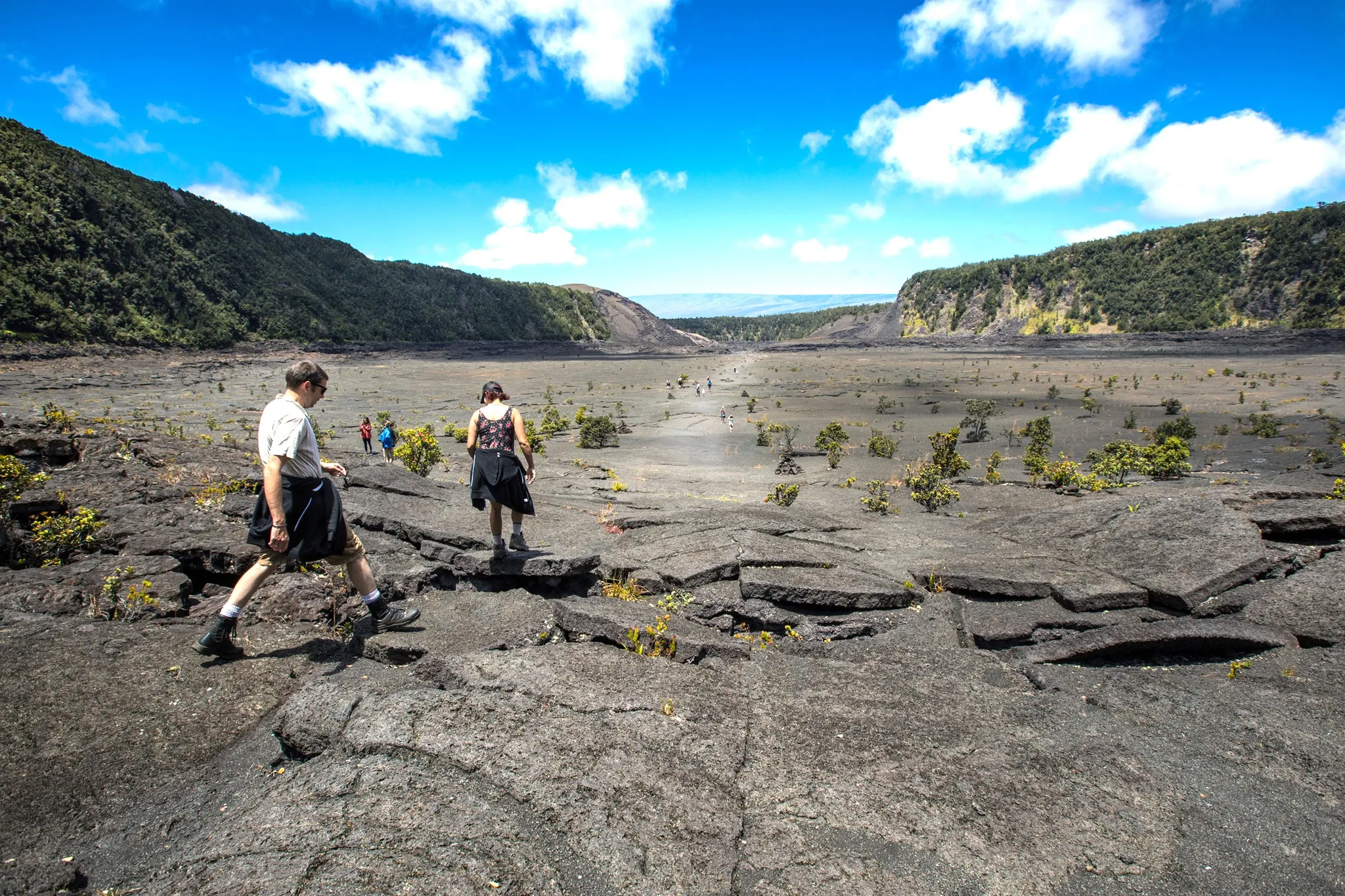
Kīlauea Iki Trail
This hike descends through a lush rainforest onto the floor of a solidified lava lake. Walk across the hardened crust to see steam vents and evidence of the 1959 eruption.
Bring extra water and wear sturdy hiking boots for rocky terrain.
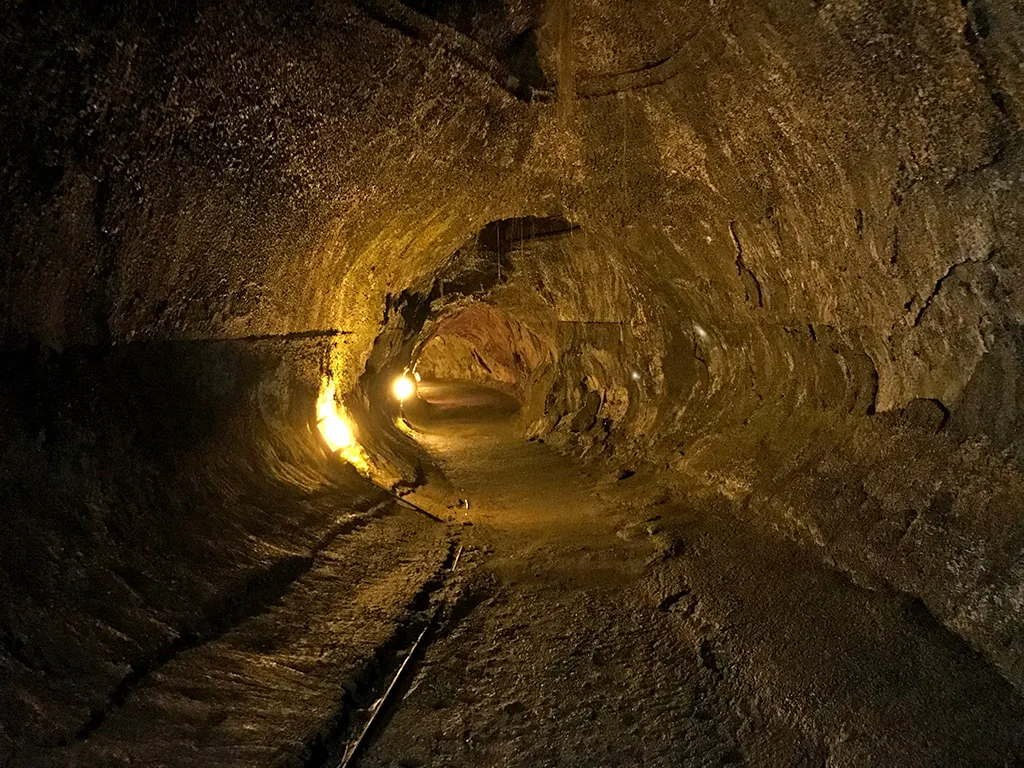
Thurston Lava Tube (Nāhuku)
This large lava tube formed when the outer layer of a lava river cooled and solidified while the molten interior drained away. The short walk leads through a fern-covered grotto.
Visit early to avoid groups inside the tunnel.
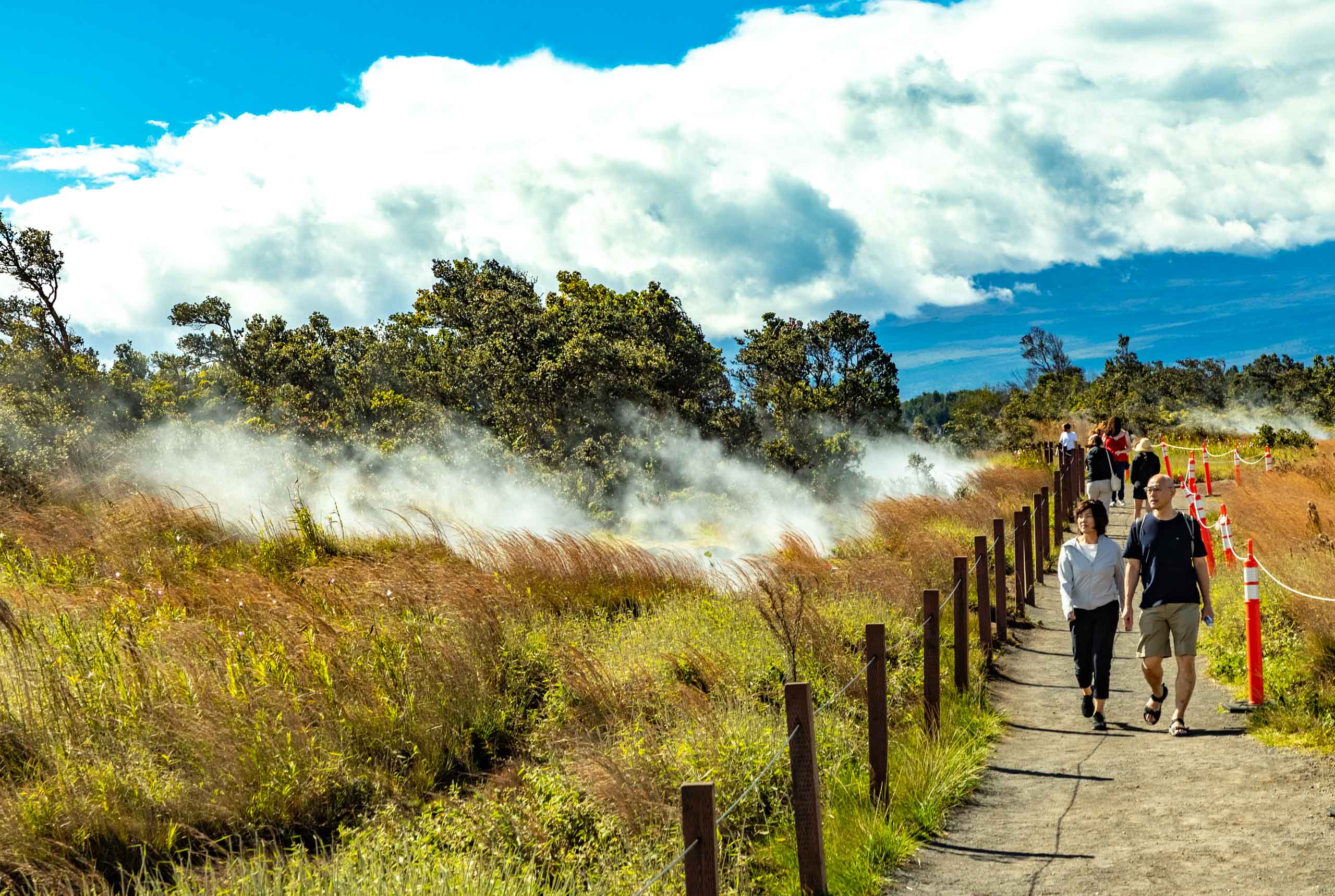
Steam Vents
Natural geothermal steam rises from the ground where groundwater meets hot volcanic rock beneath the surface. These vents provide a clear view of the park's hydrothermal activity.
Look for wind direction to avoid walking into steam plumes.
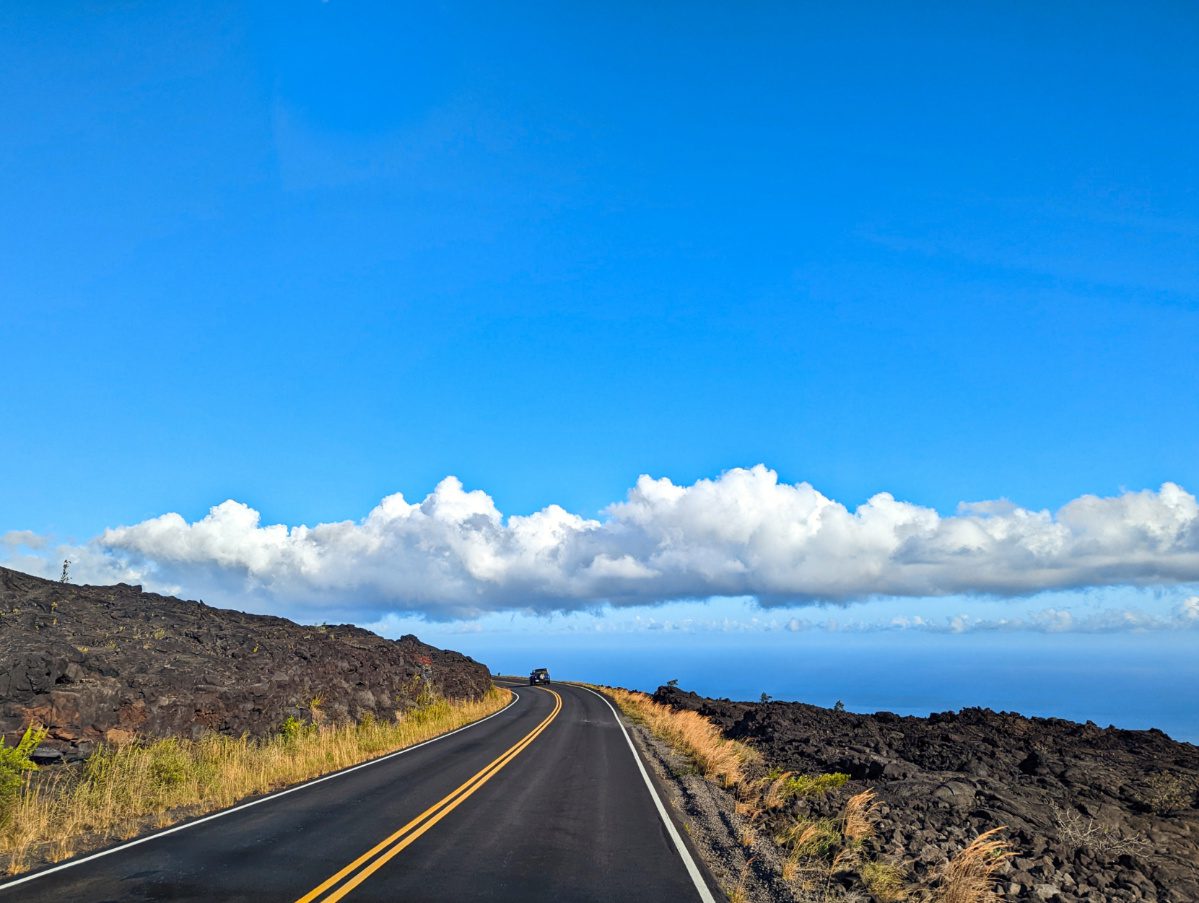
Chain of Craters Road
This road winds down the mountainside toward the coast, passing multiple historic craters and hardened lava flows along the way. It offers a progression through different volcanic landscapes.
Stop at designated overlooks to view varying lava flow ages.
Essential Tips for When Kilauea Is Open for Tourists
Navigating Hawaii Volcanoes National Park requires preparation for volatile volcanic conditions and rapidly shifting weather patterns.
Monitor volcanic gas
Check the official NPS air quality dashboard before heading out, especially if you have respiratory sensitivities. High sulfur dioxide levels can trigger trail closures without warning.
Dress in layers
Temperatures at the summit fluctuate significantly, and rain showers occur frequently throughout the day. Bring a waterproof jacket and sturdy hiking boots to handle uneven, jagged lava rock surfaces.
Stay on marked trails
Volcanic terrain contains hidden cracks, unstable crust, and active steam vents that are dangerous to navigate. Walking off-trail risks injury and damages fragile ecosystems protected by park regulations.
Pack sufficient water
The park provides limited potable water sources beyond the main visitor areas. Carry at least two liters of water per person to stay hydrated during longer treks across exposed lava fields.
Respect cultural sites
Many areas within the park hold deep significance to Native Hawaiian culture. Observe all signage and refrain from removing rocks or sand, as these are considered sacred elements of the landscape.
Check availability
Frequently asked questions about visiting Hawaii Volcanoes National Park
Everything you need to know about is kilauea open for tourists