1 hr
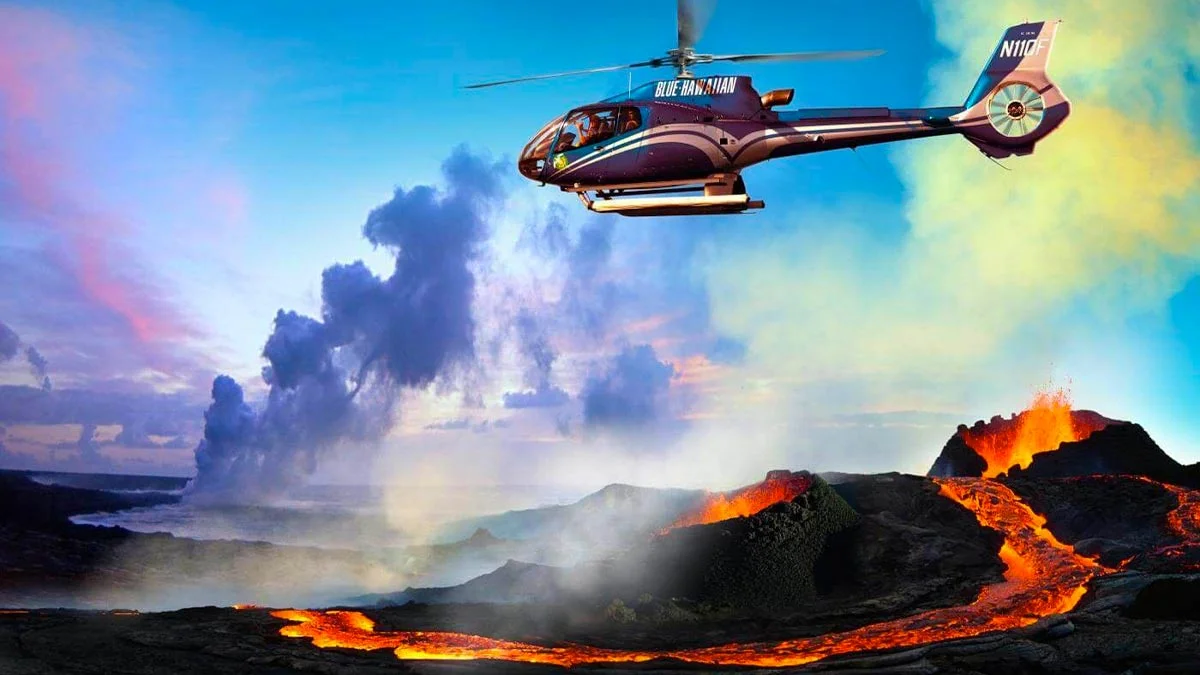
Helicopter Flight Over Hawaii Volcanoes National Park
- Private experience
- Personal attention
- Premium amenities
- Free cancellation
Kilauea Helicopter Tours — Premium Aerial Volcano Flights
Fly over active calderas and lava lakes, witness Earth's fire from above
Compare fares, pick the fit — all bookings are mobile-voucher and eligible for free cancellation where shown.
1 hr
11 hr
7 hr
| Experience | Duration | Rating | Pickup | Lunch | Skip-the-line | Free cancel. | Price | |
|---|---|---|---|---|---|---|---|---|
|
Luxury / Private
Most popular
Helicopter Flight Over Hawaii Volcanoes National Park
|
1 hr | ★ 4.3 | — | — | — | ✓ | €356 | Book → |
|
Guided Experience
Big Island Volcanoes, Waterfalls & Coffee Farm Adventure
|
11 hr | ★ 4.9 | ✓ | ✓ | ✓ | ✓ | €242 | Book → |
|
Guided Experience
Hawaii Volcanoes National Park and Hilo Discovery Tour
|
7 hr | ★ 5.0 | ✓ | ✓ | ✓ | ✓ | €149 | Book → |
Worth it for aerial access seekers
Kilauea helicopter tours command premium pricing—typically $250–$400 per person for 45–60 minute flights—but deliver perspectives physically impossible from the ground. Active lava flows, summit craters, and coastal lava deltas appear in full context from the air, while Hawaii Volcanoes National Park's $30 entrance fee grants only roadside and trail-level views. The value proposition hinges on exclusivity: helicopters reach inaccessible zones and compress hours of driving into minutes of flight time. For photographers chasing volcanic landscapes, families with limited mobility, or travelers prioritizing efficiency over immersion, the cost justifies the access. Budget-conscious visitors willing to hike Crater Rim Trail and explore Thurston Lava Tube on foot will find the park entrance fee sufficient. Helicopter flight over Hawaii Volcanoes National Park tours work best as a splurge add-on rather than a replacement for ground exploration—the two experiences complement rather than compete.
Bottom line: Pay the premium if aerial exclusivity and time savings outweigh the value of slow, ground-level volcanic immersion.
They complement each other; most visitors who do both call aerial Kilauea helicopter tours the more efficient way to grasp the massive scale of the summit caldera compared to the immersive nature of hiking.
|
Top pick Helicopter Tour |
Guided Hiking Tour | |
|---|---|---|
| Perspective | Panoramic aerial view | |
| Physical Exertion | None | |
| Access to Remote Areas | High efficiency | |
| Educational Depth | Pilot narration | |
| Ability to Smell/Hear Volcano | None | |
| Weather Dependence | High sensitivity | |
| See tickets & prices |
Verdict: Choose the aerial kilauea helicopter tours tour for rapid coverage of the geology, while ground-based hikes provide a deeper connection to the lava flows and caldera landscapes for those seeking kilauea helicopter tours tickets.
Hand-picked experiences loved by thousands of travelers
12 hours
Free Cancellation
Journey through Hawaii's volcanic landscapes at dusk, then gaze at celestial wonders under pristine skies
5 hours
Free Cancellation
Explore Kilauea volcano, lava tubes, waterfalls, and historic gardens on a guided Big Island adventure
3 hours
Free Cancellation
Explore Hawaiian rainforest and hardened lava formations on this immersive 4-mile loop trail experience
7 hours
Free Cancellation
Explore Hawaii's active Kilauea volcano, walk through lava tubes, and spot sea turtles on black sand shores
7 hours
Free Cancellation
Journey through volcanic landscapes, lush rainforest roads, and unique beaches on this full-day Big Island exploration.
1.5 hours
Free Cancellation
Fly over Hawaii's most active volcano and witness molten lava flows from an unforgettable aerial perspective
12 hours 30 minutes
Fly from Honolulu to explore Kīlauea volcano, black sand beaches, and Hilo's waterfalls on this full-day adventure.
50 minutes
Free Cancellation
Soar above Hawaii's volcanic terrain, cascading waterfalls, and black sand shores in a spacious ECO-Star
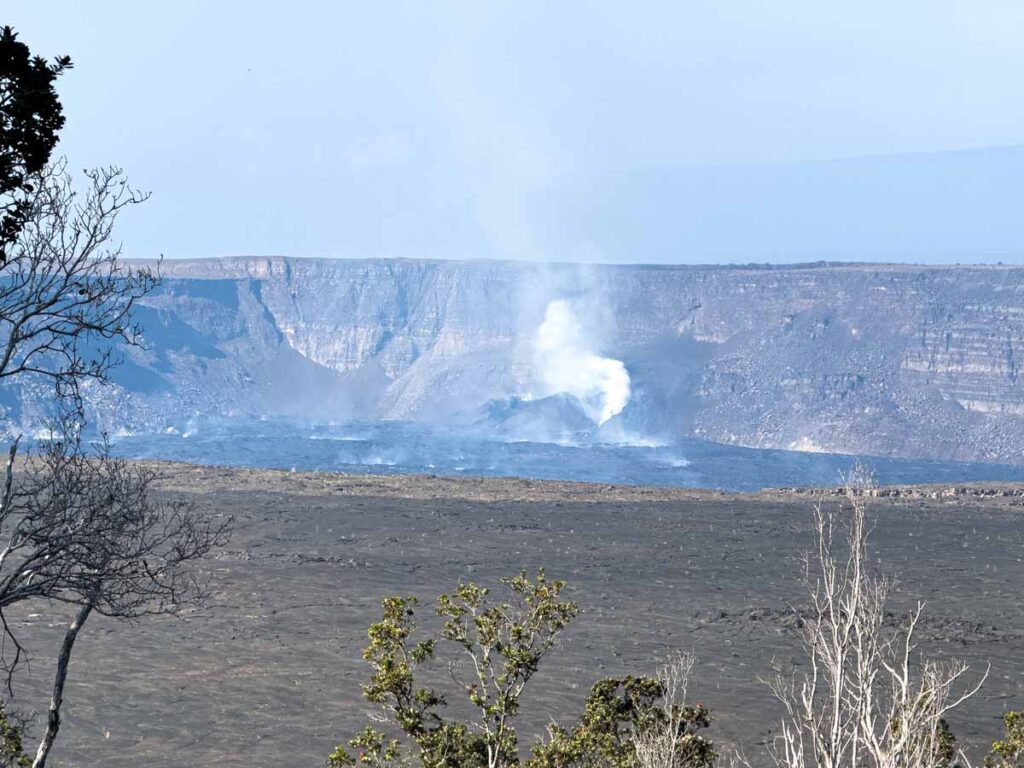
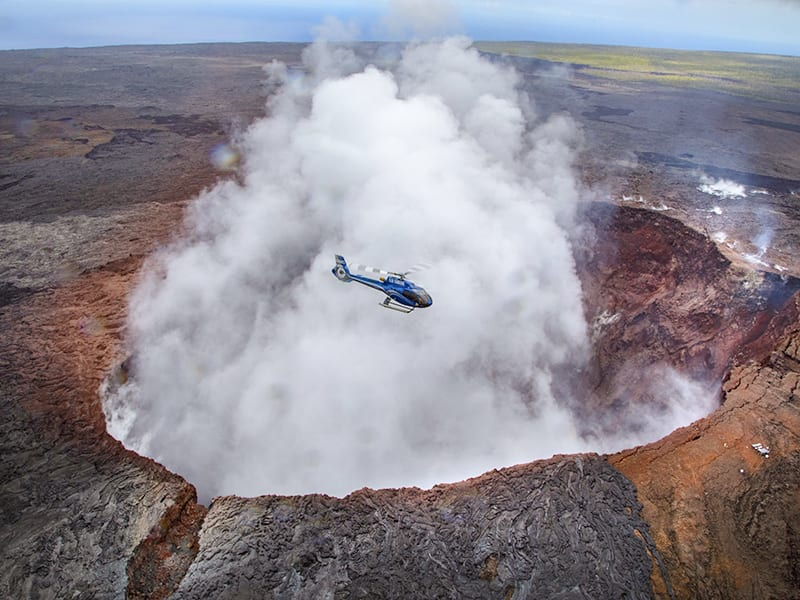
The central vent of Kīlauea, which doubled in size after 2018 seismic events. It is a focal point for viewing volcanic steam and potential glow.
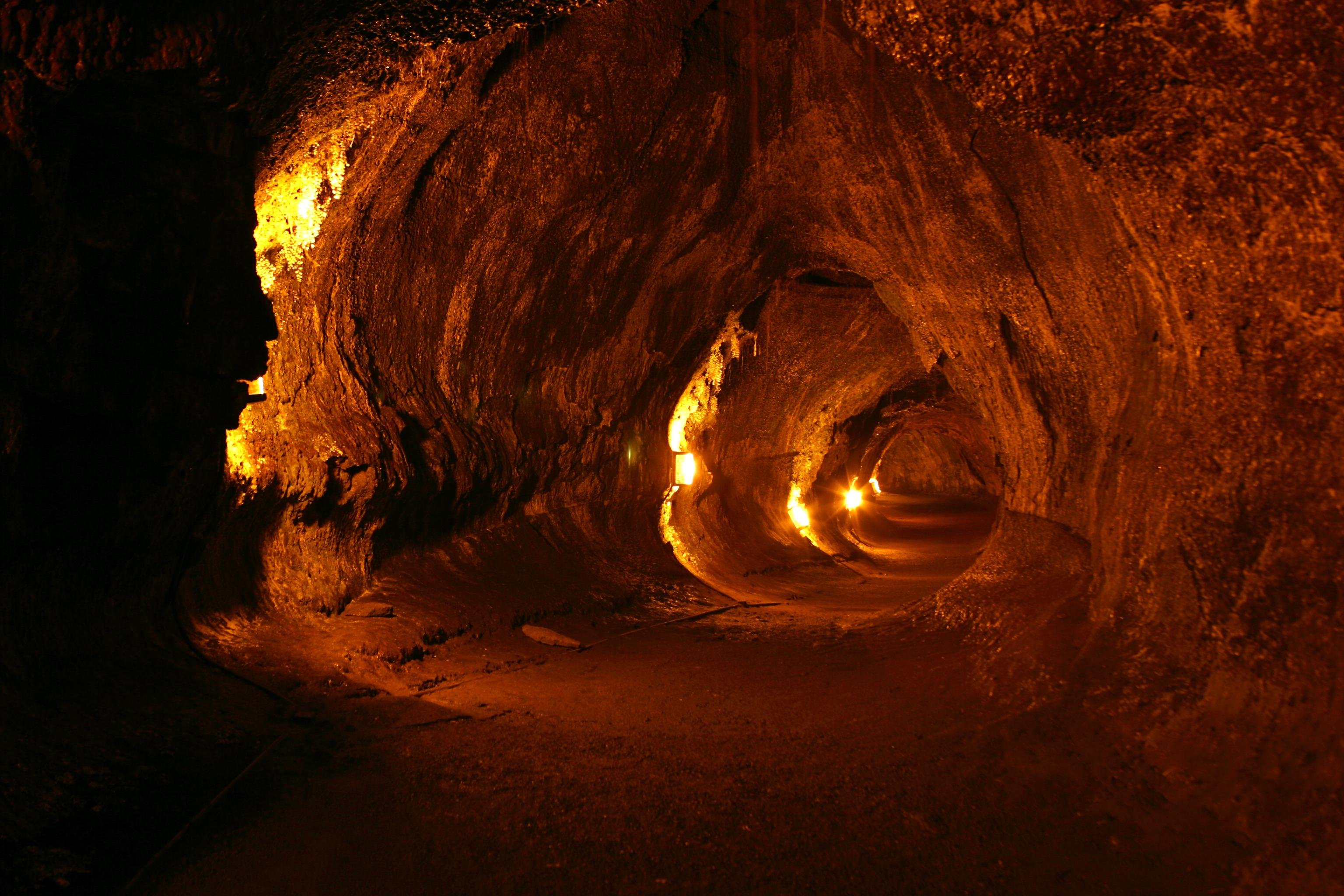
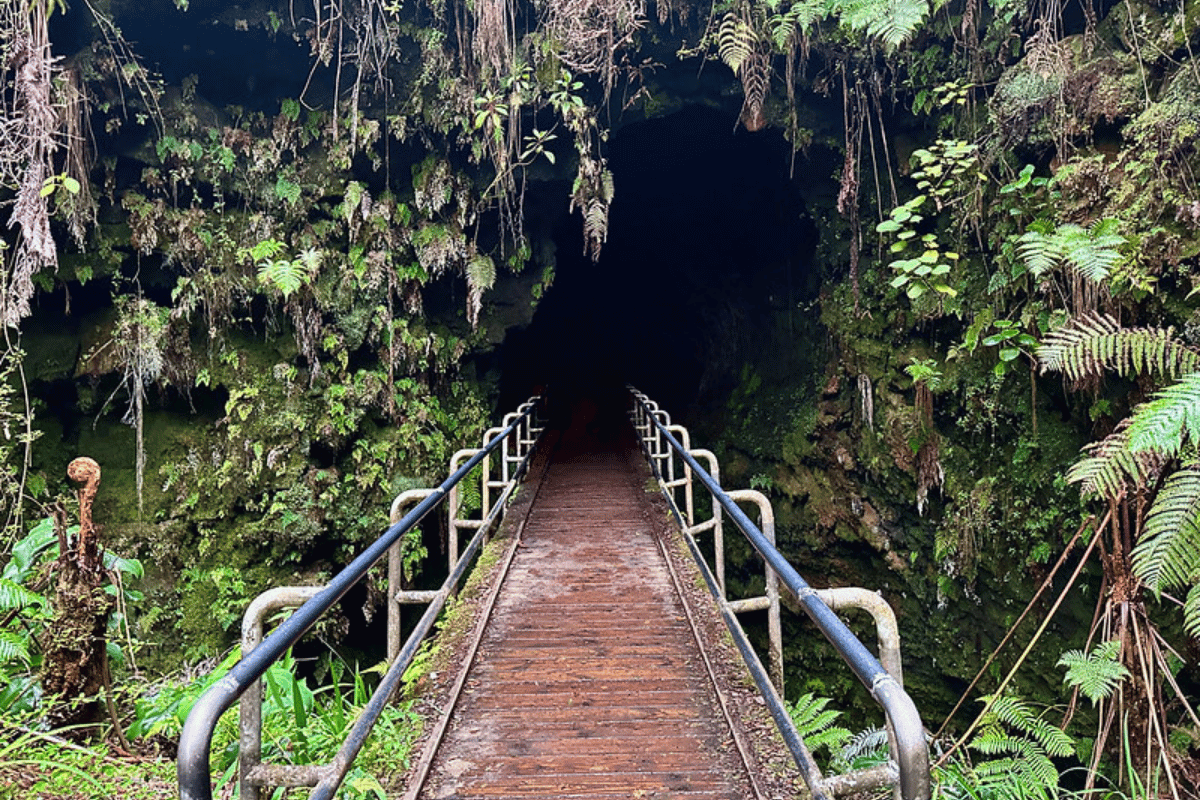
A massive subterranean lava conduit formed by flowing magma, now accessible as a lush, fern-covered walkway.
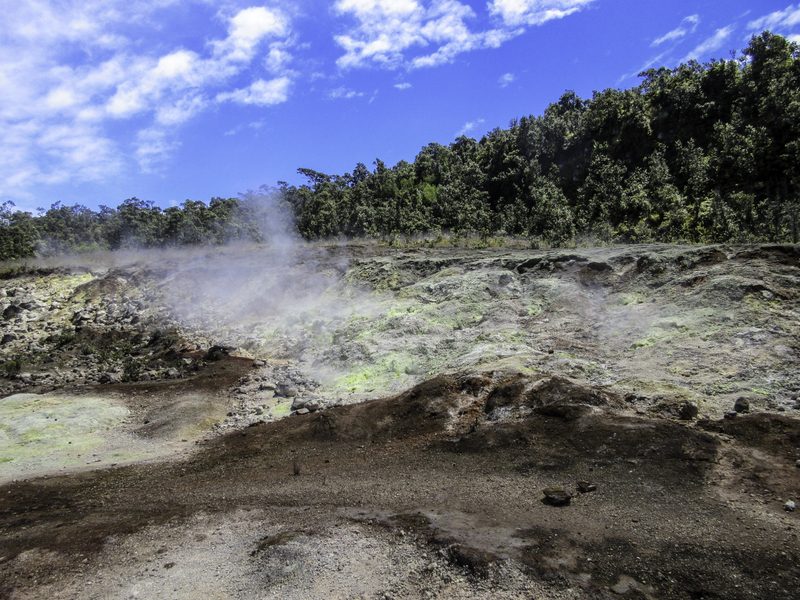
A field of volcanic vents emitting steam and sulphur gases, showcasing the geothermal intensity of the region.
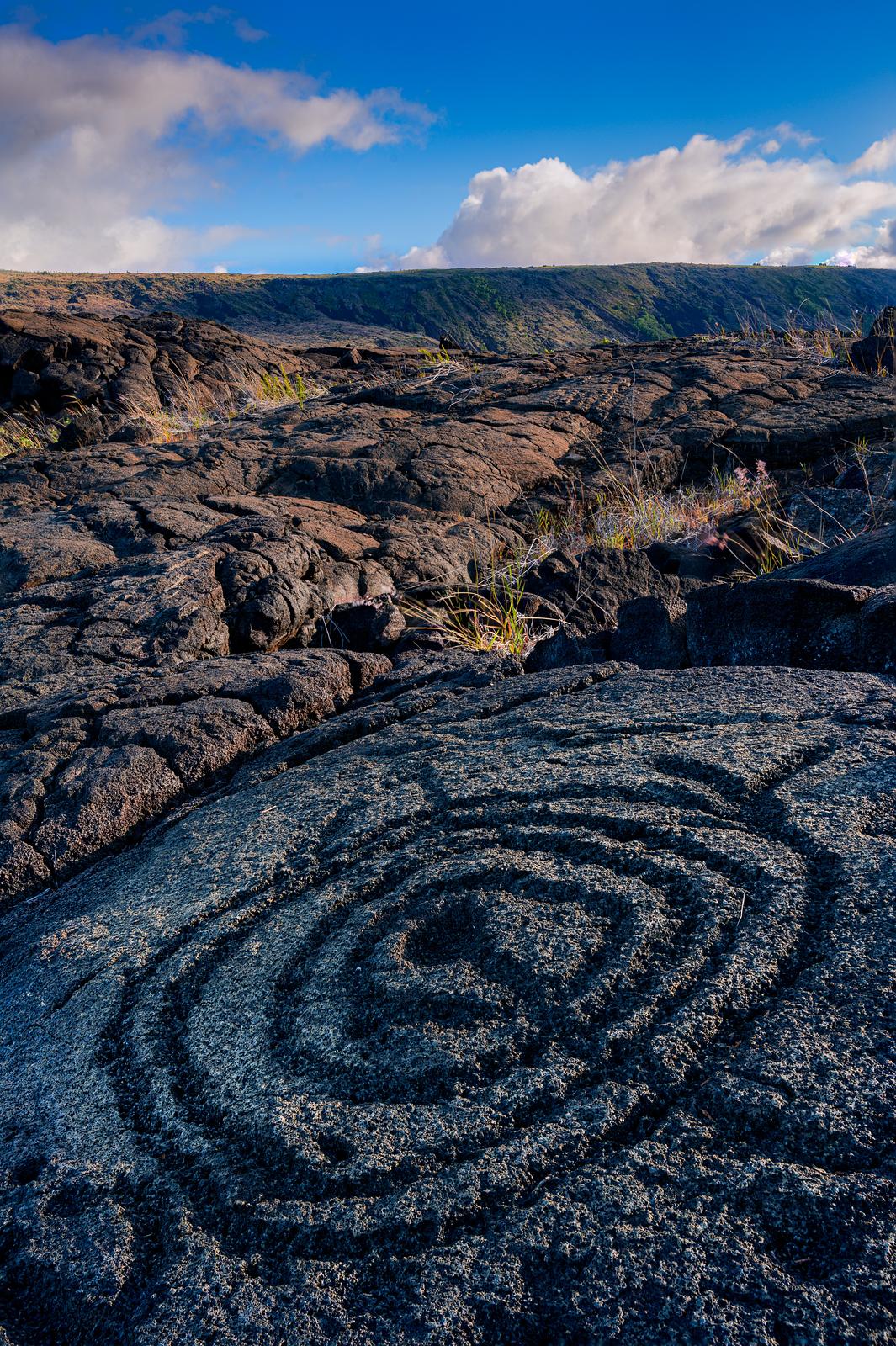
Contains thousands of ancient Hawaiian petroglyphs carved into hardened lava rock over several centuries.
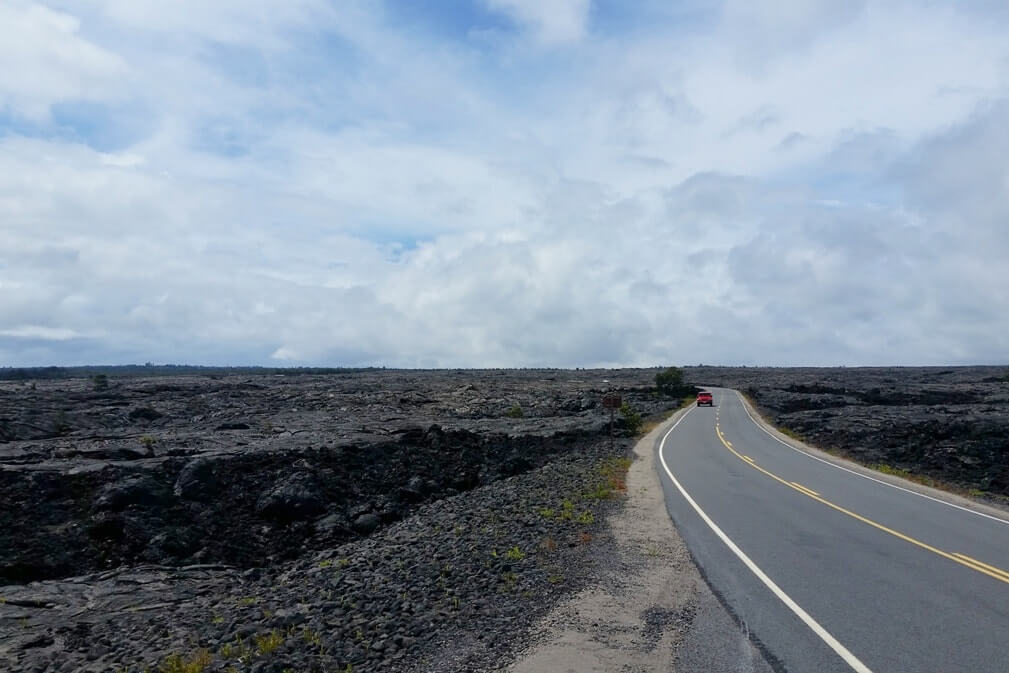
A dramatic scenic route that descends from the summit to the coast, passing multiple historical lava flows.
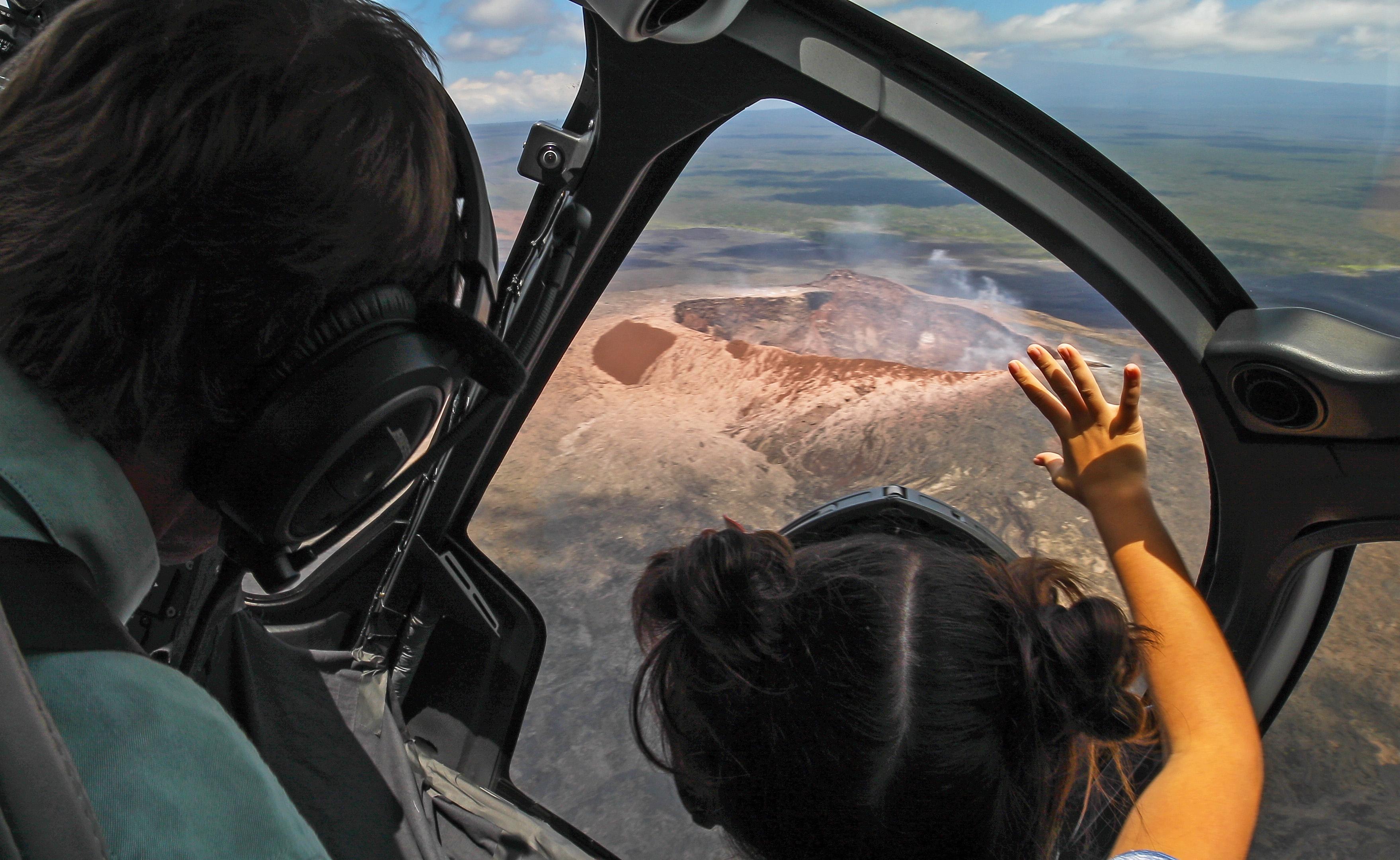
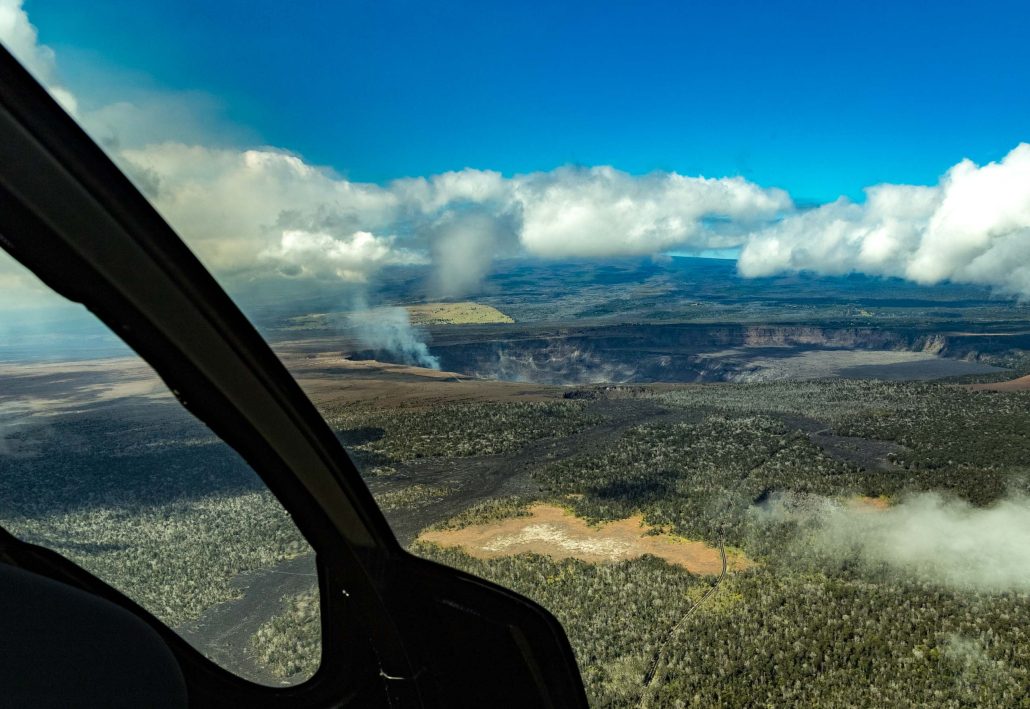
You lift off from Hilo at first light, the helicopter banking east over rainbow eucalyptus groves before the summit caldera opens ahead.
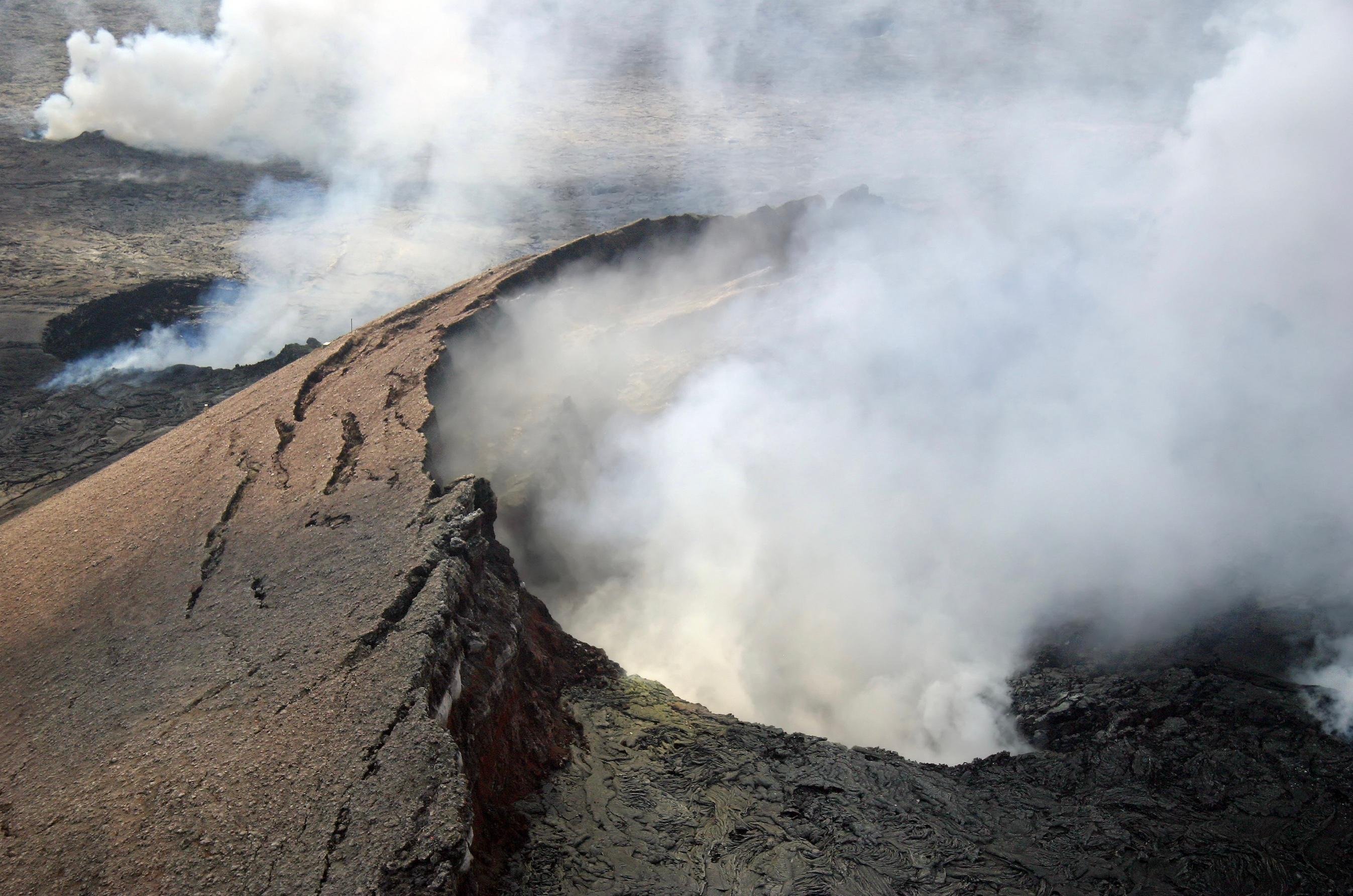
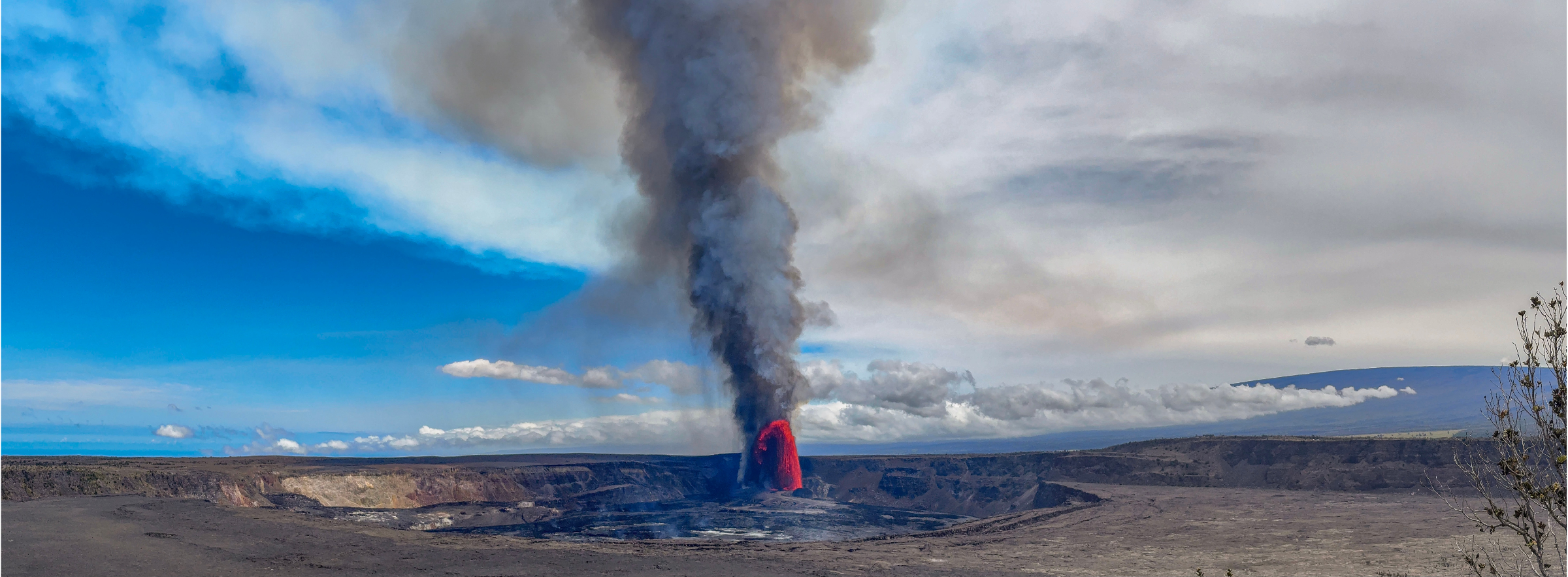
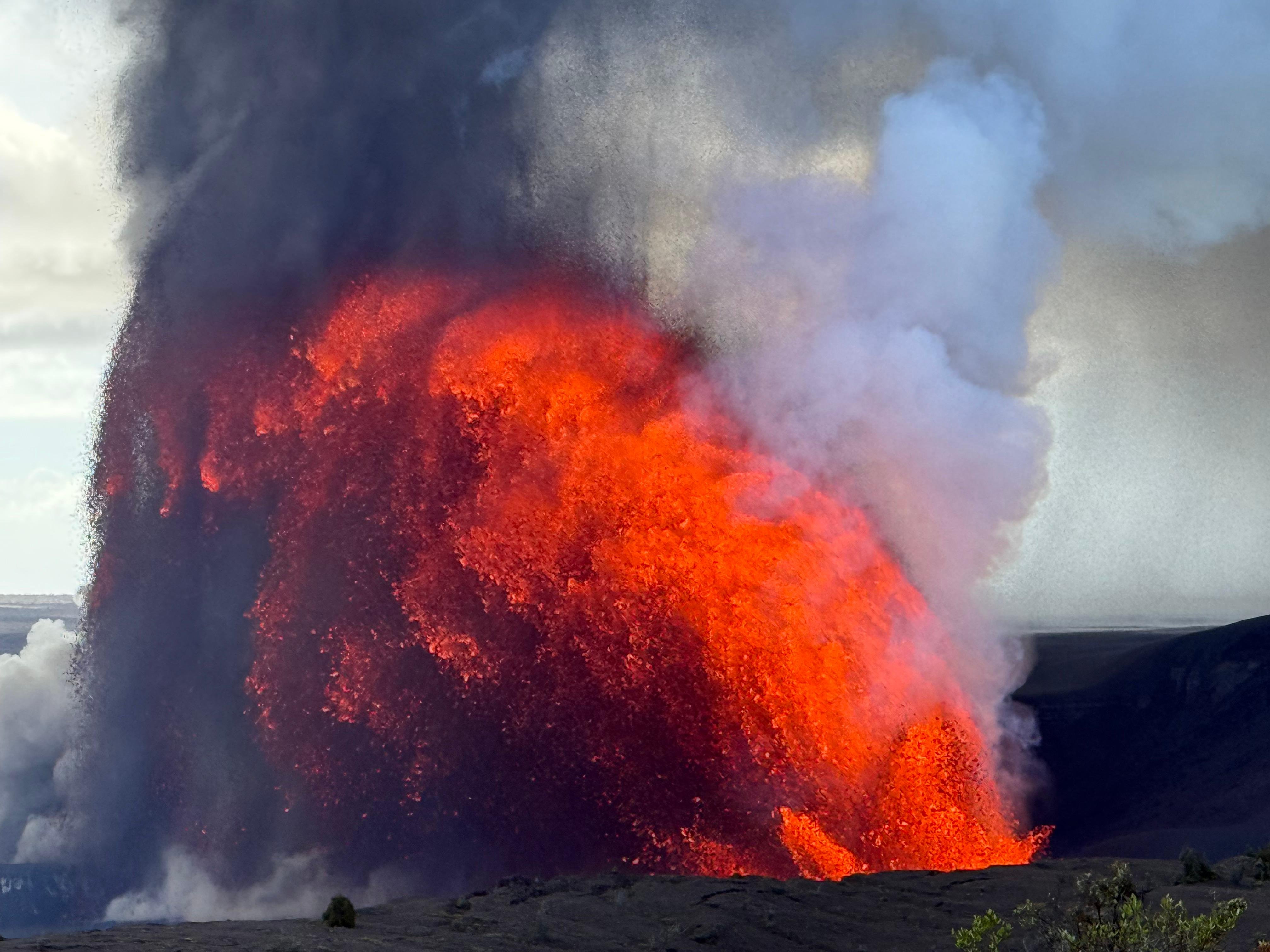
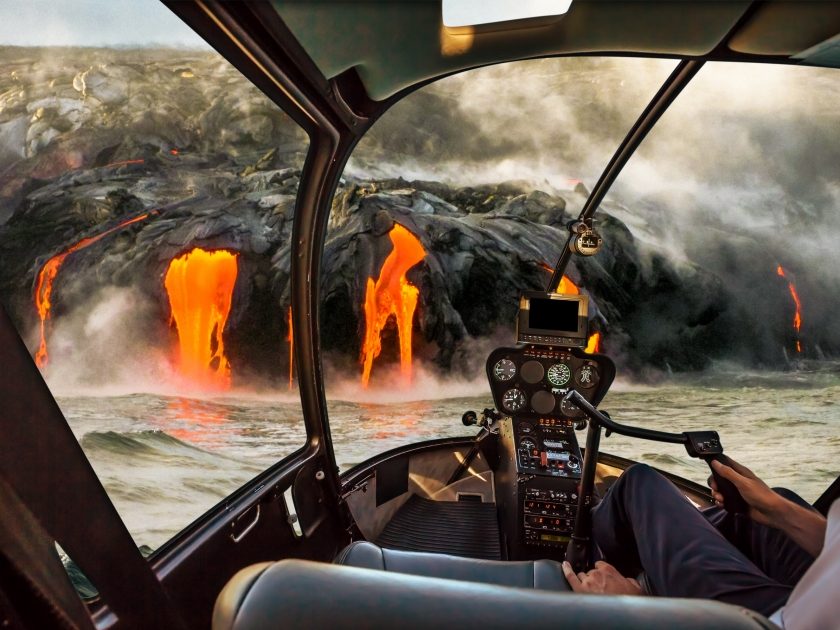
The pilot drops altitude as Halemaʻumaʻu Crater fills the windscreen—920 metres of jagged basalt walls descending to a lava lake crusted black at the edges, molten orange pulsing through fissures at the centre. Steam vents hiss along the caldera floor. You circle clockwise, the headset narration identifying sulfur banks staining the rock yellow, the remains of the former Jaggar Museum perched on the western rim. The helicopter tilts over the East Rift Zone, where pahoehoe flows ripple in frozen waves toward the coast, their surfaces glinting obsidian in the low sun.
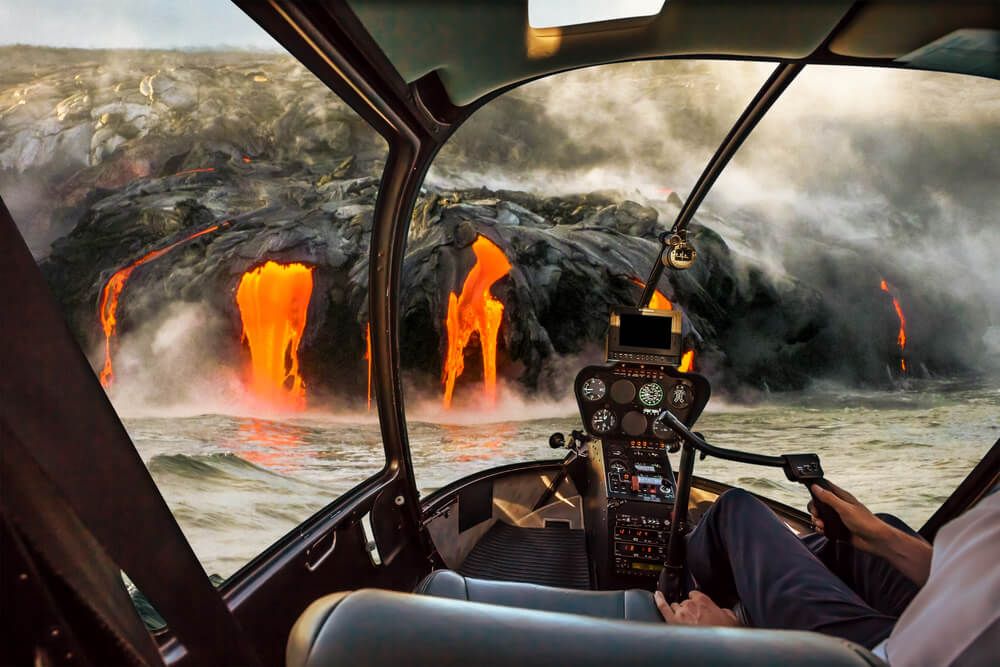
You pass Puʻu ʻŌʻō, its red cinder cone scarred by decades of eruption, then follow the 2018 fissure line—a 20-kilometre gash that drained the summit and reshaped the shoreline. The coastline appears, black sand beaches meeting turquoise surf, steam rising where lava once poured into the Pacific. The pilot arcs back toward the summit, descending to 1,200 feet for a final pass over the lava lake. You watch molten rock churn beneath a thin crust, the heat shimmer warping the air, the scale of the caldera—three football fields wide—legible only from this vantage. The helicopter climbs, the summit shrinking behind you, the scent of sulfur faint through the vents as you return to Hilo.
All the details about your upcoming adventure in one place
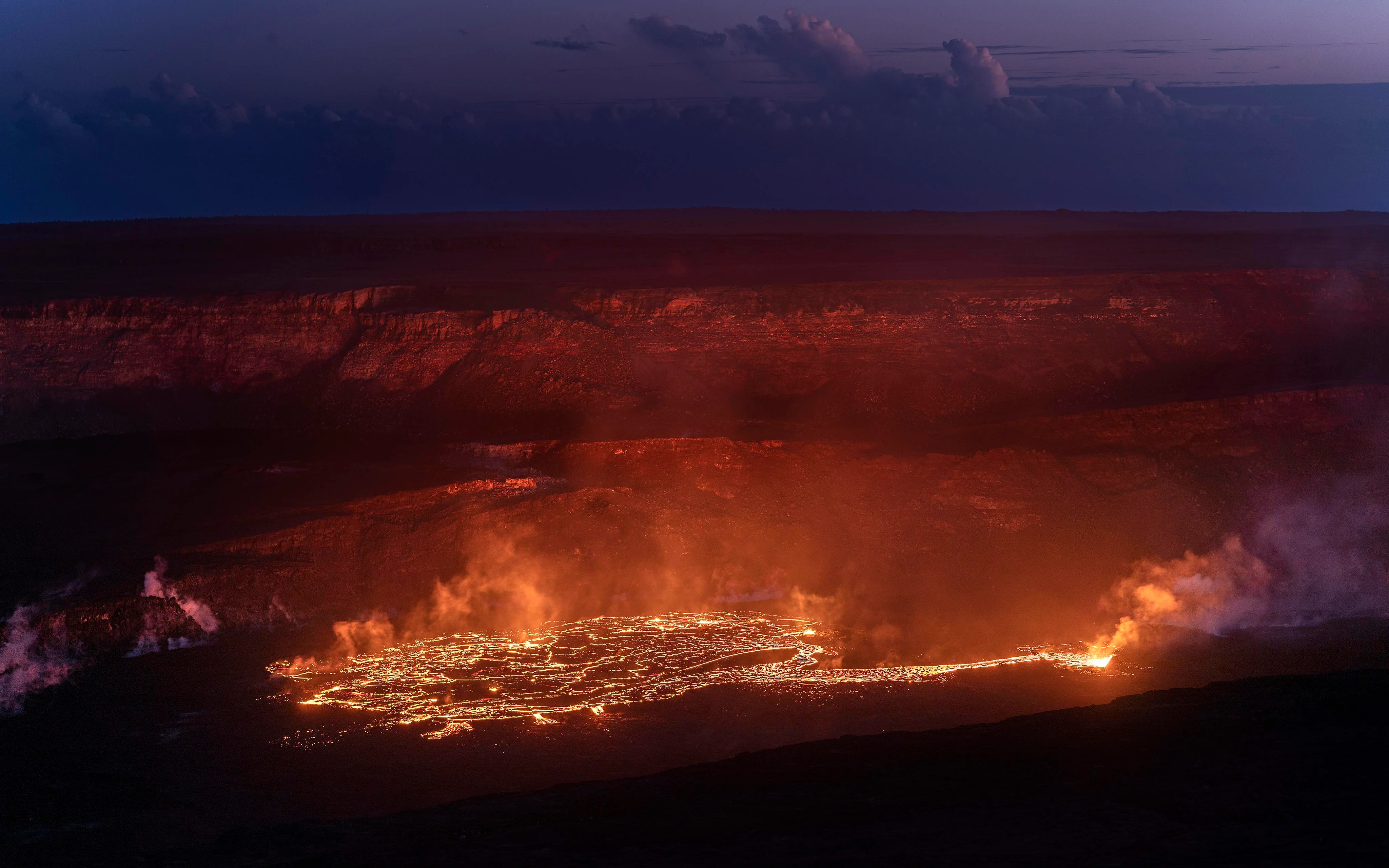
Kilauea's Halemaʻumaʻu Crater measures 920 metres across and sits within a summit caldera that collapsed in 2018, dropping the crater floor 500 metres and draining the lava lake that had glowed there since 2008.
The eruption reshaped the summit topography, swallowed the former overlook, and left a scarred landscape that continues to evolve. Within months, magma returned. By December 2020 a new lava lake began filling the crater, its surface rising in pulses, crusting over in black glass, then cracking open to reveal molten orange beneath. The summit remains one of the world's most active volcanic systems, a laboratory of plate tectonics where the Pacific Plate drifts northwest over a mantle hotspot at four inches per year.
Kilauea helicopter tours offer the only vantage from which the full scale of the caldera, fissure vents, and sulfur banks becomes legible. Ground trails reach the crater rim, but the interior remains closed to foot traffic. From 1,500 feet, the lava lake's convection cells, the radial cracks in cooled crust, and the steam rising from rainwater meeting magma reveal dynamics invisible from overlooks. Pilots route flights over the East Rift Zone, where black pahoehoe fields stretch to the coast, and past Puʻu ʻŌʻō, the cinder cone that erupted continuously from 1983 to 2018. The flight paths shift with volcanic activity, avoiding restricted airspace but following eruption intensity.
The shield volcano's profile is deceptive. Unlike the steep stratovolcanoes of the Pacific Rim, Kilauea's slope averages five degrees, built from thousands of thin basalt flows rather than explosive ash. The summit sits at 4,091 feet, modest compared to Mauna Loa's 13,681 feet ten miles west. Yet Kilauea's effusive eruptions produce more lava per century than any volcano on Earth. The 2018 event alone displaced 2,000 residents, buried 700 homes, and added 875 acres of new land to the coast. Native Hawaiians regard the summit as the home of Pele, the volcano goddess whose moods dictate the island's expansion. Aerial tours navigate this sacred geography with precision, circling the caldera clockwise, maintaining altitude above thermal columns, and timing flights to avoid afternoon cloud buildup that obscures the crater by 2 p.m. The view synthesizes geology, mythology, and the raw mechanics of planetary construction—magma from 60 kilometres below surfacing in real time, readable only from the air.

From 1,500 feet, the lava lake's convection cells and radial cracks reveal dynamics invisible from overlooks.
Wear comfortable, non-restrictive clothing and closed-toe shoes suitable for uneven terrain if combining your flight with park exploration. Bring a light jacket, as temperatures at the summit can be significantly cooler than at sea level.
Helicopter operators require strict weight verification during check-in for flight balance. Large bags are generally prohibited on board; please store items in your vehicle or at your accommodation.
Photography is encouraged, but ensure all gear is secure if participating in doors-off kilauea helicopter tours. Use a polarizing filter to reduce glare when shooting through helicopter windows.
Helicopter companies often have age and weight requirements for safety; confirm these before booking. Children must be accompanied by an adult at all times during your Hawaii Volcanoes National Park visit.
While aerial tours offer a way to see the park for those with mobility issues, ensure your chosen operator provides accessible boarding assistance. The park itself has many paved, accessible overlooks for ground-level viewing.
Carry at least 2 liters of water per person when visiting the park, as hydration is vital in the volcanic climate. Pack snacks or lunch to enjoy at designated picnic areas, as facilities are limited.
Opening hours
00:00–23:59
Address
1 Crater Rim Drive, Hawaii National Park, HI 96718
Entry fee
30 USD (Standard entrance pass per private non-commercial vehicle, valid for 7 days)
Best arrival window
00:00–23:59 — The park is open 24 hours; early morning or night offers fewer crowds and better viewing conditions.
Official site
https://www.nps.gov/havo
Operators for kilauea helicopter tours typically require 24-48 hours notice for full refunds. Entrance fees to Hawaii Volcanoes National Park are separate from tour costs.
Recommended time
4-6 hours
Allocating time for kilauea helicopter tours requires balancing aerial viewing with ground-based exploration of the volcanic landscape. We recommend booking your kilauea helicopter tours tickets early to secure preferred departure times, as premium flights often reach capacity quickly. Plan for additional hours to observe the caldera and steam vents after your flight concludes, as ground access enhances the overall experience of the national park. Utilize our kilauea helicopter tours tour inventory to coordinate your arrival at 1 Crater Rim Drive, Hawaii National Park, HI 96718, where the park maintains 00:00–23:59 access to accommodate varied itineraries.
Crowd levels through the day
The story of kilauea helicopter tours begins not with aviation but with ground access. When Hawaii Volcanoes National Park opened in 1916, visitors reached Kīlauea's caldera by foot or horseback along trails cleared through ʻōhiʻa forests. Thomas Jaggar established the Hawaiian Volcano Observatory that same year, documenting eruptions that would later define the demand for aerial access. By the 1950s, small fixed-wing aircraft began offering sightseeing flights, but altitude restrictions and limited maneuverability kept lava flows at a frustrating distance. Helicopters changed everything in 1983 when Kīlauea entered a sustained eruption phase that lasted thirty-five years. Tour operators obtained permits to fly low over Puʻu ʻŌʻō vent and the expanding lava delta at Kalapana, where molten rock met the Pacific in towering steam plumes. The National Park Service imposed flight corridors in 1987 after noise complaints from researchers and hikers, carving designated routes that balanced access with acoustic preservation. Demand surged through the 1990s as volcanic tours became Hawaiʻi's signature adventure activity, with operators competing on door-off flights and dawn departure slots. The 2018 collapse of Halemaʻumaʻu crater floor reshaped both the volcano and the industry. Lava drained from the summit, opening a chasm twice the depth it had been, while new fissures consumed entire subdivisions in lower Puna. Flight paths shifted overnight to follow the destruction. When the eruption paused later that year, kilauea helicopter tours tickets pivoted to showcasing the transformed caldera itself—a geological reset visible only from above. Operators now circle the refilled lava lake that reappeared in 2020, tracing steam vents and tracking fresh surface crust. The tours remain tethered to Kīlauea's volatility, their routes redrawn with each eruptive cycle.
Hawaii Volcanoes National Park established, granting public access to Kīlauea caldera by trail.
Fixed-wing aircraft begin volcanic overflights, constrained by altitude and poor maneuverability.
Kīlauea eruption begins, helicopter operators secure low-altitude permits over active lava flows.
National Park Service imposes flight corridors to reduce noise impact on ground visitors and researchers.
Halemaʻumaʻu crater collapses, operators shift routes to new fissures and summit transformation.
Lava lake reappears in summit caldera, becoming the central focus of aerial tour circuits.
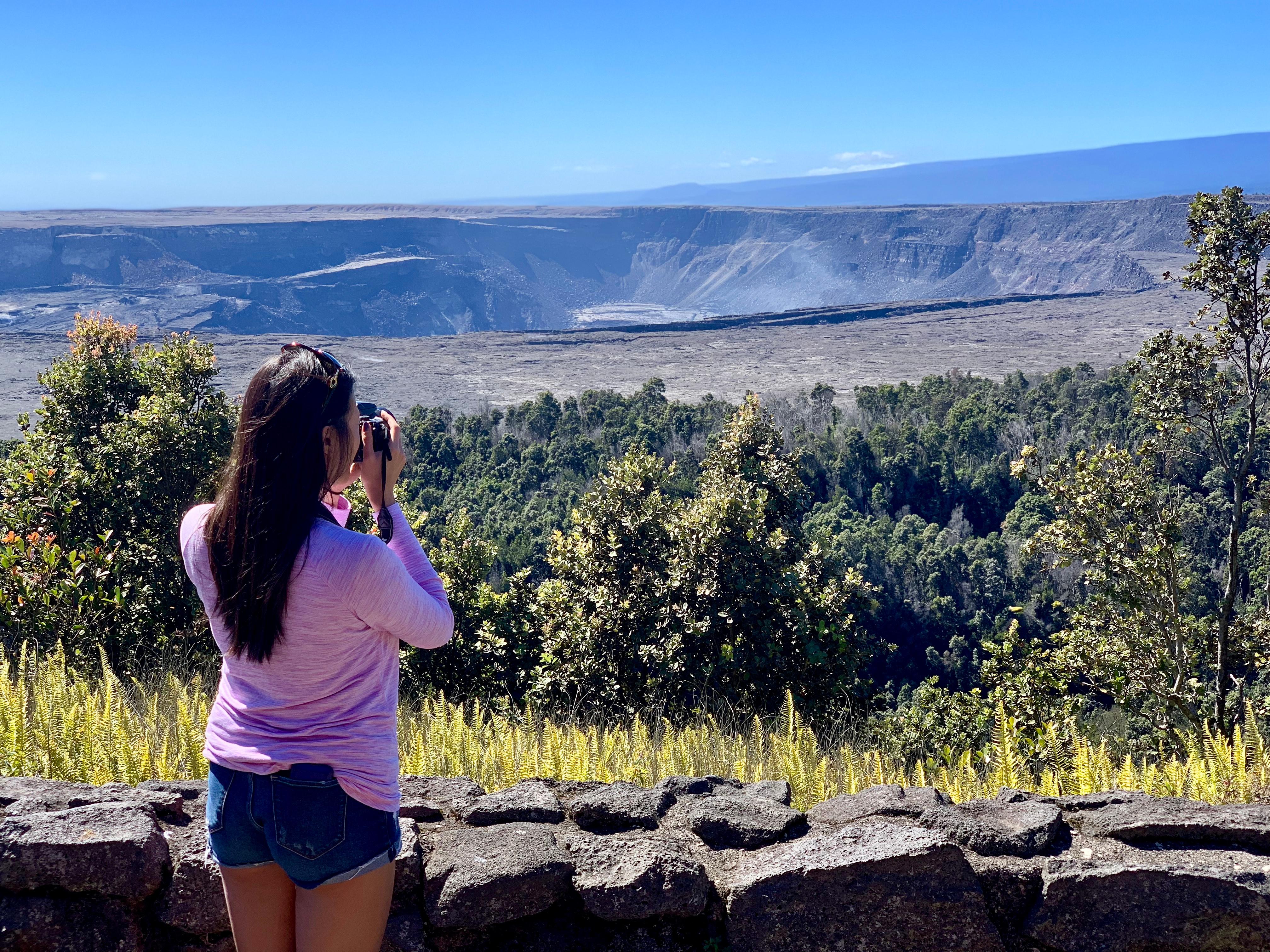
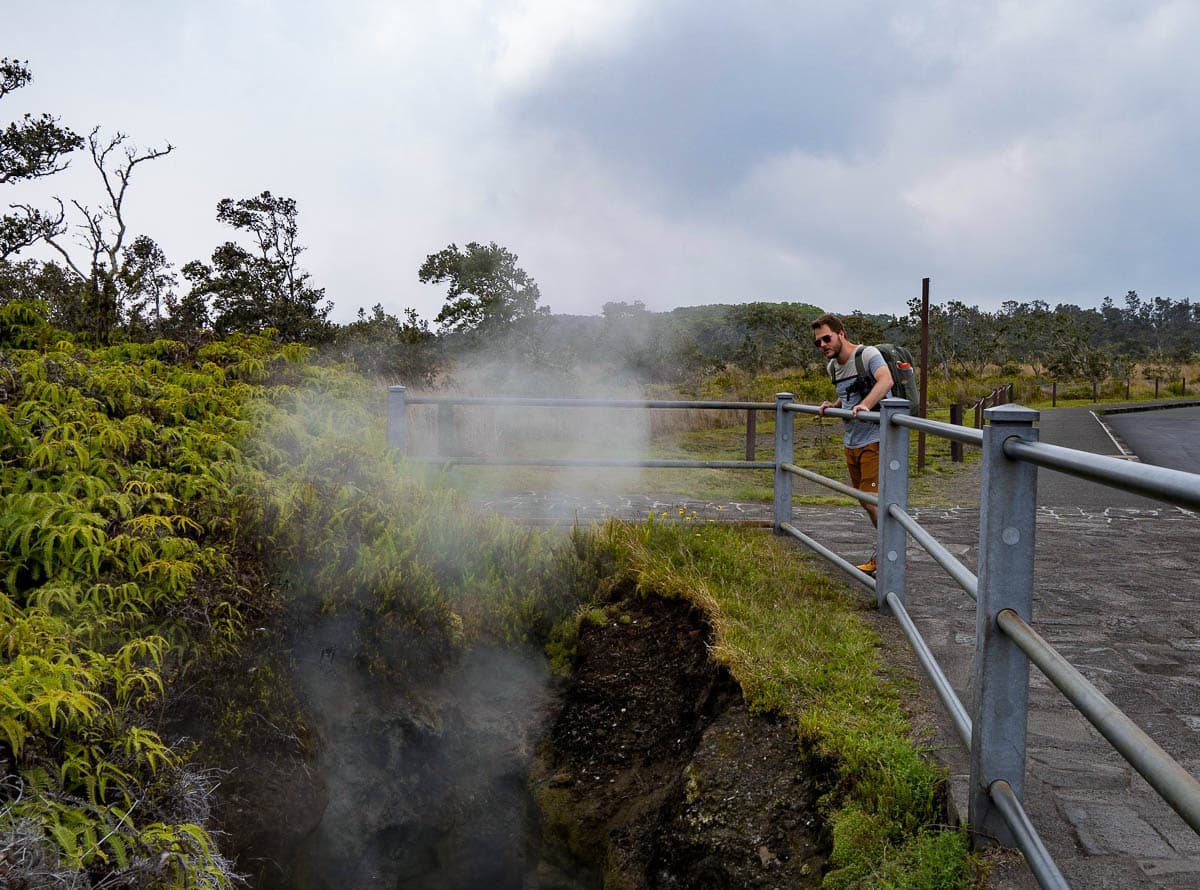
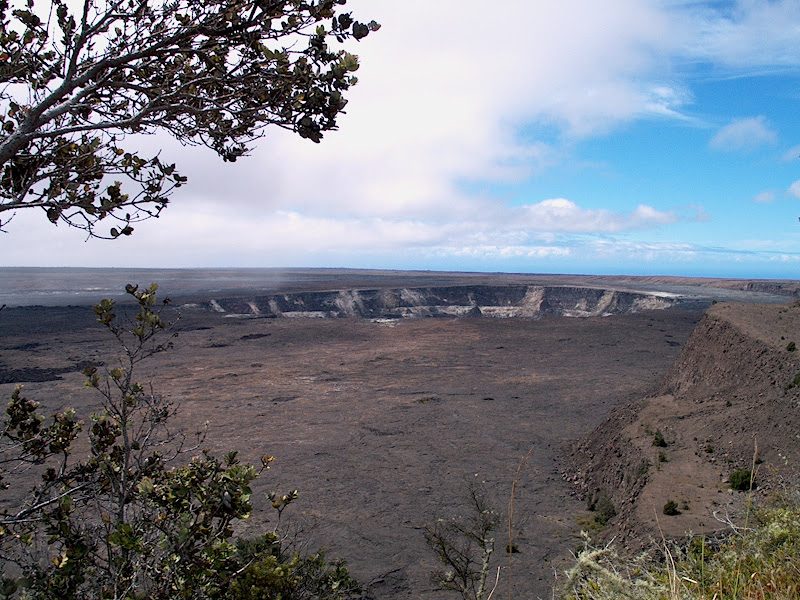
Stand near the fenced perimeter to capture the rising volcanic vapor against the vast caldera background. This location provides a sharp contrast between the earth's heat and the surrounding landscape.
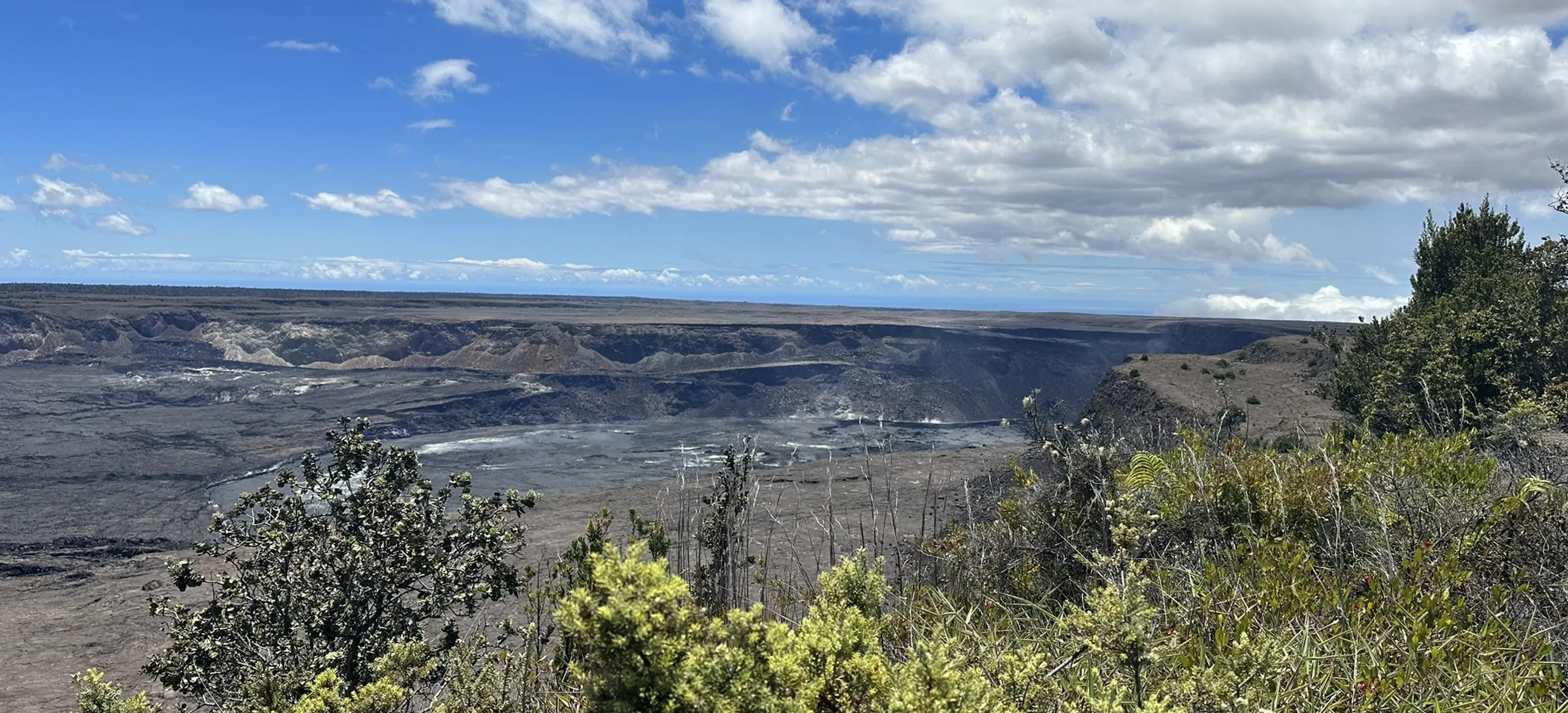
Position your camera along the railing for a panoramic view of the massive crater floor and historic eruption sites. Many visitors choosing kilauea helicopter tours rely on this ground perspective to contextualize the scale of their aerial view.
Descend into the solidified lava lake floor to photograph unique geological textures and cooling basalt formations. Access remains subject to park alerts regarding volcanic gas emissions.
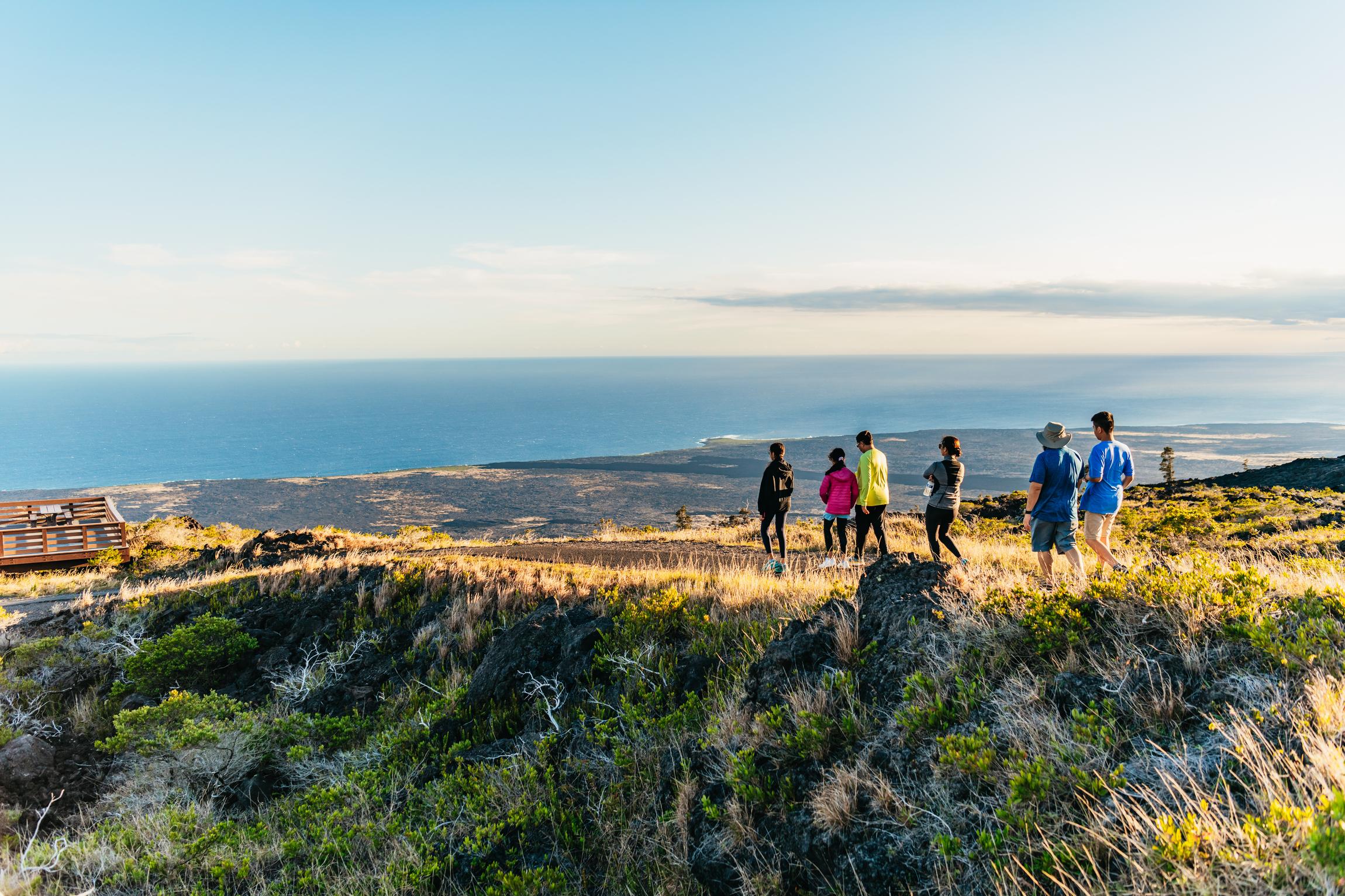
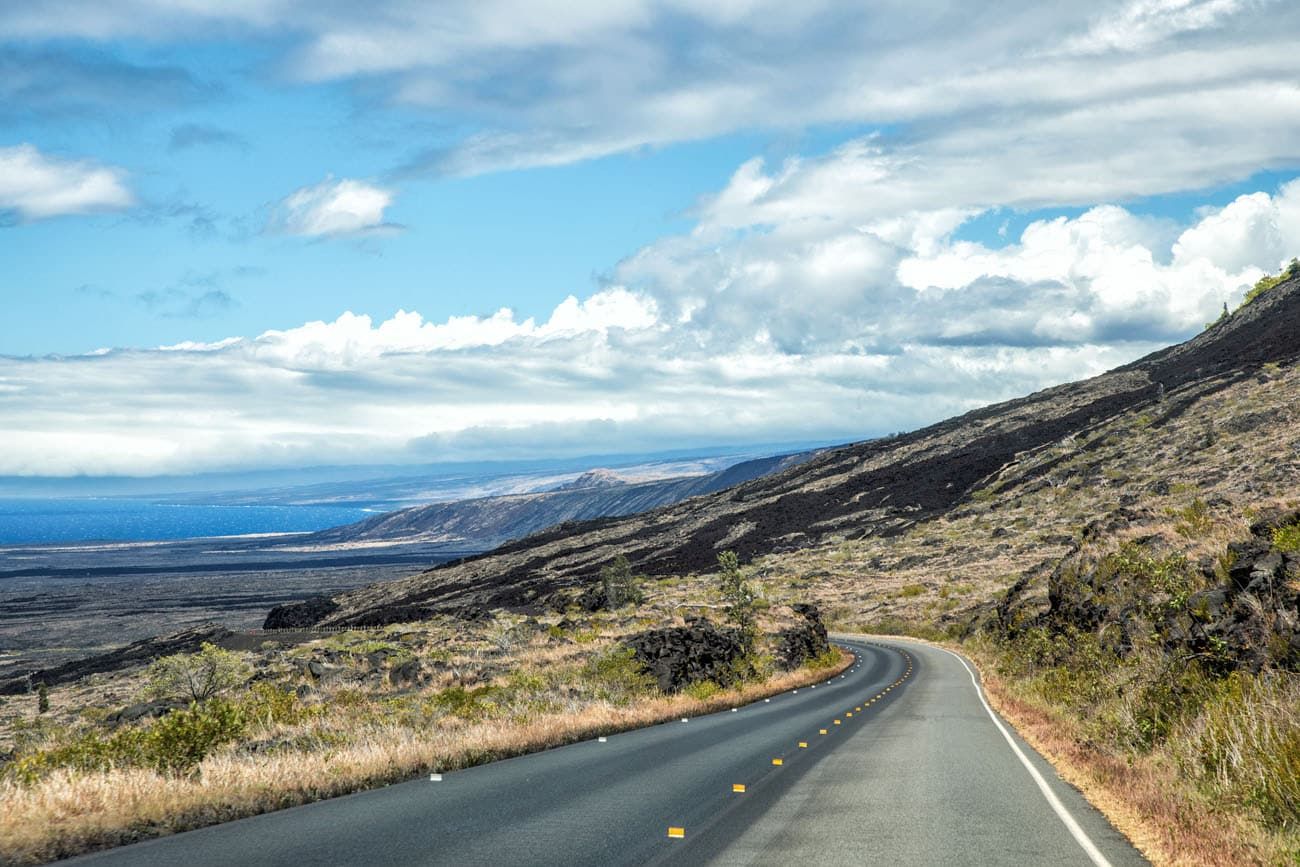
Pull over at marked scenic vistas to photograph the contrast between ancient solidified lava flows and the Pacific Ocean coastline. You can find kilauea helicopter tours tour options that fly over this specific corridor for better depth.
Capture the sweeping views of the Devastation Trail and the vast cinder fields from this elevated vantage point. Having kilauea helicopter tours tickets allows you to compare this perspective with the bird's eye view of the same rift zone.
Planning kilauea helicopter tours with children requires careful attention to aircraft weight requirements and flight duration logistics. These aerial adventures provide unique perspectives on the volcanic landscape that are otherwise inaccessible.
Children under two years old often qualify as lap infants, but verify specific operator weight limits for kilauea helicopter tours tour safety. Most companies mandate that every passenger occupies an individual seat once they reach a certain age or weight bracket.
Helicopter operators base flight capacity on total weight, so ensure you have accurate measurements for all family members when booking kilauea helicopter tours tickets. Providing precise data prevents delays and ensures smooth boarding processes for your group.
Managing a kilauea helicopter tours tours experience involves minimizing motion sickness by avoiding heavy meals before departure. Choose flight times that align with your children's natural energy levels to maintain comfort during the trip.
The park is open 24 hours and entrance fees are 30 USD per private non-commercial vehicle for 7 days. Plan your arrival for the best viewing conditions at 1 Crater Rim Drive, Hawaii National Park, HI 96718 to maximize your time before or after your aerial excursion.
Dining options near the park are primarily concentrated in Volcano Village, located just outside the entrance, while the historic Volcano House offers premium on-site convenience near the departure points for many kilauea helicopter tours. Travelers often secure dining reservations in advance when planning a busy day of park exploration and aerial viewing.
Located within Volcano House, this restaurant provides expansive views of the Kilauea caldera; reservations are highly suggested for this unique dining experience.
A casual option at Volcano House offering a varied menu and beverages with a backdrop of the volcanic landscape.
A local favorite in Volcano Village serving an expansive menu ranging from island-raised beef to seafood in a relaxed atmosphere.
A convenient spot for quick, filling sandwiches and breakfast items perfect for grabbing a meal before your kilauea helicopter tours tour.
Situated on the grounds of Volcano Garden Arts, this eatery specializes in fresh, organic, and plant-based dishes; note they are open limited hours for lunch.
Everything you need to know for your journey
Hawaii Volcanoes National Park is open 24 hours a day, 7 days a week, including holidays.
No, you pay your entrance fee separately at the park gate. Tickets for the tour are managed by the air operators.
Volcanic activity is dynamic and not guaranteed; lava flow visibility varies significantly day by day.
The fee is 30 USD per private non-commercial vehicle, valid for 7 days.
Yes, though most operators have specific age and weight restrictions for safety.
Early morning or late afternoon often provide the best light and wind conditions for aerial photography.
The park is located at 1 Crater Rim Drive, accessible via Highway 11 from Hilo or Kailua-Kona.
Bring a photo ID, sunglasses, and a light jacket, and ensure all gear is secured for the flight.
Yes, passengers must attend a safety briefing and follow all pilot instructions during the flight.
Join thousands of happy travelers who have discovered this incredible experience
Book Your Experience Now