English| EUR
Suggested for you
More currencies
Book Now
Open today · 00:00–23:59

Kilauea Bike Tour

Kilauea Bike Tour — Pedal the Crater's Edge

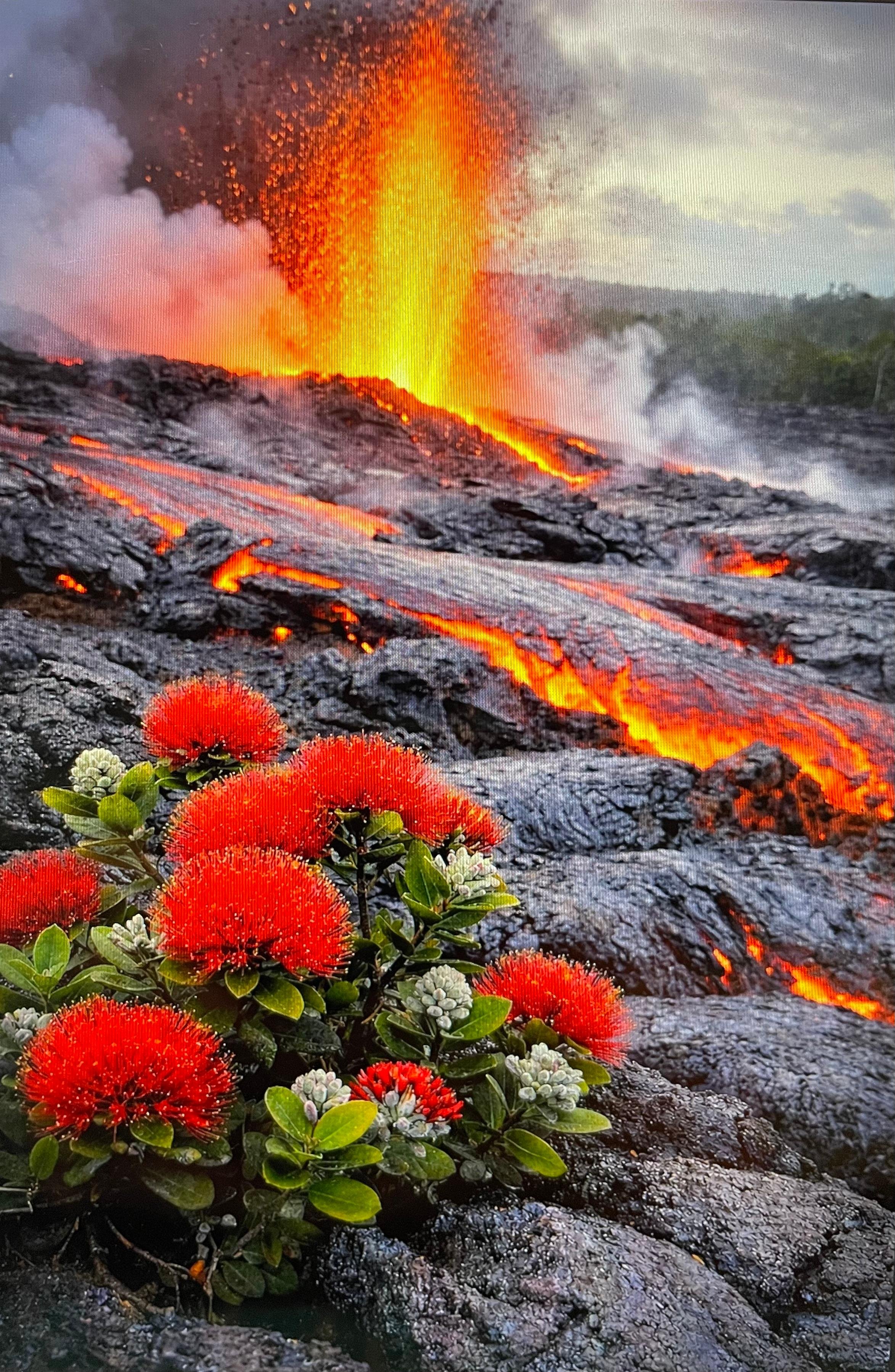
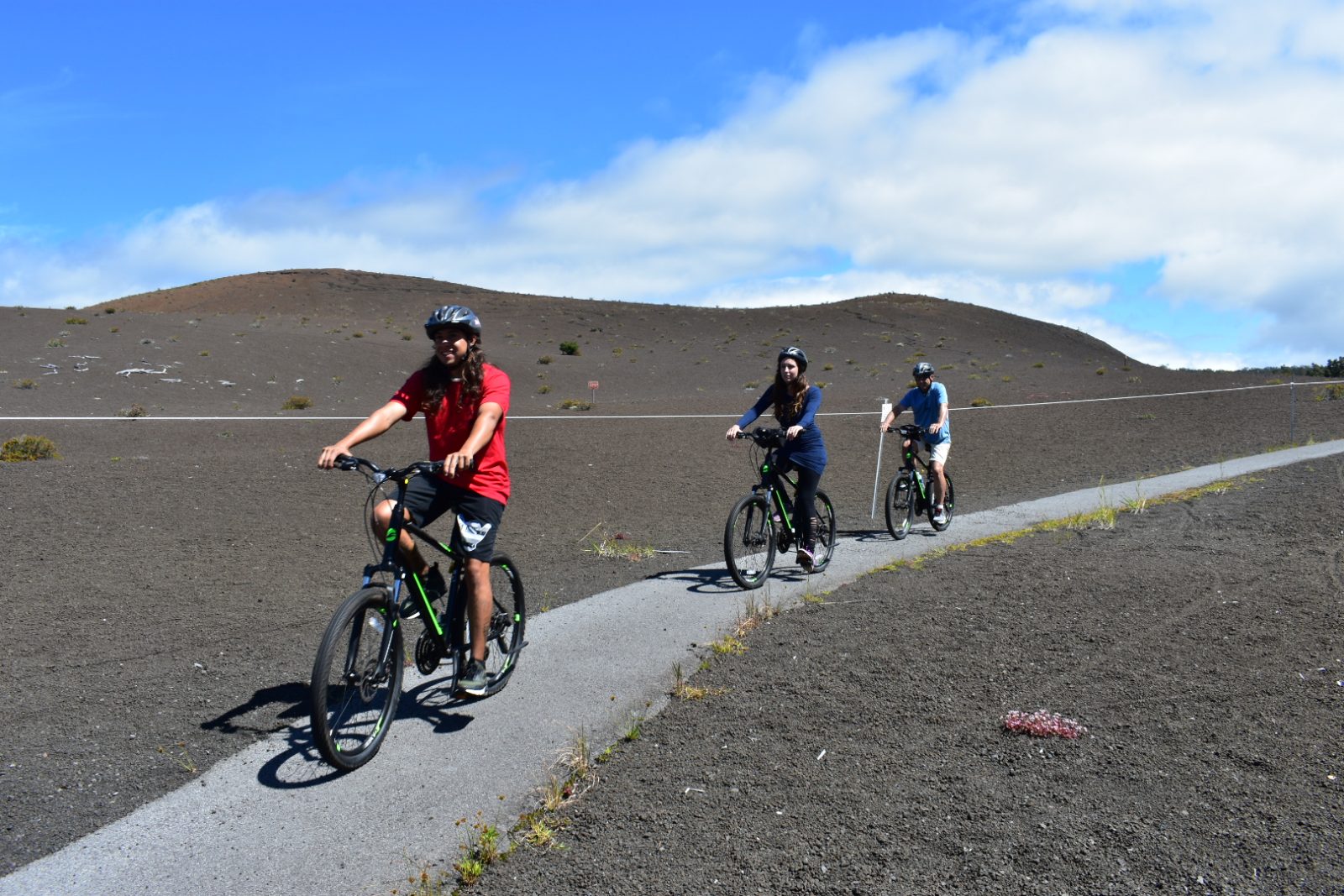
Cycle past steam vents and lava fields, where the earth rewrites itself daily

50K+ travelers chose this
Free Cancellation
Right now: Moderate The park remains open 24 hours daily.
Free Cancellation
Free cancellation Instant confirmation Mobile voucher Verified partner Book now, pay later
15 USD
Entrance Fee
Per person, valid 7 days
1916
Established
Year the park opened
1.4M+
Annual Visitors
Based on recent statistics
354K acres
Park Size
Total protected land area
Choose your ticket

Kilauea Bike tickets at a glance

Compare fares, pick the fit — all bookings are mobile-voucher and eligible for free cancellation where shown.

Hawaii Volcanoes National Park & Hilo Exploration Tour 7 hr
Guided Experience

Hawaii Volcanoes National Park & Hilo Exploration Tour

5 (173)
€149
  • Expert local guide
  • Small group
  • Skip-the-line access
  • Free cancellation
Book this ticket
Big Island Volcano & Waterfalls Adventure from Hilo 7 hr
Guided Experience

Big Island Volcano & Waterfalls Adventure from Hilo

5 (72)
€175
  • Expert local guide
  • Small group
  • Skip-the-line access
  • Free cancellation
Book this ticket
Compare options

Compare Kilauea Bike ticket options

Visitors planning a kilauea bike tour within Hawaii Volcanoes National Park must first secure official park admission, which functions as the foundational entry requirement for all cycling activities. While independent cyclists use the standard entrance pass, those seeking guided experiences with equipment and van support will coordinate directly with authorized commercial operators.

Top pick
Standard Entrance Pass Official Park Entry
Guided Bike Adventure Commercial Tour Service
Access Duration Per tour
Entry Method Guided group booking
Inclusions Equipment, guide, van support
Best for Guided, supported riding
Cost Varies by provider

Verdict: Choose the standard entrance pass for self-guided exploration, or book a kilauea bike tour operator for equipment and professional narration.

Is a Kilauea Bike Tour Worth the Cost?

Worth it for guided context seekers

A kilauea bike tour delivers value if you prioritize ranger-led interpretation and multi-stop coverage over self-paced exploration. The bookable guided options bundle transportation, narration, and stops at Thurston Lava Tube, steam vents, and caldera overlooks—infrastructure you can access independently for the $15 park entrance fee. Cycling the Crater Rim Drive offers physical engagement with the volcanic landscape, though most commercial tours use vans with brief bike segments rather than full pedal routes. The real cost difference: guided volcano tours typically run $150–$200 per person and include coffee farm visits or waterfall detours, while solo drivers pay only the conservation fee and fuel. You're funding storytelling and logistics—a vulcanologist guide explaining sulfur deposits and eruptive history, pre-arranged timing to catch optimal light at Halemaʻumaʻu Crater, coordinated stops that maximize scenery without navigation guesswork. For first-time visitors unfamiliar with Hawaiian volcanism or hesitant about route planning on Chain of Craters Road, that structure justifies the premium. Repeat visitors or confident navigators save substantially by biking independently.

What makes it worth it

  • Expert geological narration at active volcanic features
  • Pre-planned routing through lava fields and rainforest
  • Bundled stops at Thurston Lava Tube and overlooks
  • No parking or navigation decisions required
  • Small group access to ranger insights

Keep in mind

  • Guided kilauea bike tour tickets cost 10× the park entry
  • Limited pedaling time on most commercial options
  • Fixed itinerary restricts spontaneous exploration
  • Early morning departures from Hilo or Kona required

Bottom line: Pay the premium for curated geological context; skip it if you'd rather set your own pace through the caldera.

Head to head

Kilauea Bike Tour vs Hiking — Which Is Better?

They complement each other; most visitors who do both call hiking the more immersive way to touch the earth, while a kilauea bike tour offers a faster, wind-in-your-face perspective of the wider caldera.

Top pick
Kilauea Bike Tour
Hiking the Trails
Primary Terrain
Intensity
Distance covered
Booking requirements
Physical access
Viewing pace

Verdict: Choose a guided bike tour if you want to cover large distances efficiently, but opt for hiking to explore the unique textures of the volcanic summit at your own speed.

Featured Experiences

Popular Kilauea Bike tours & activities

Hand-picked experiences loved by thousands of travelers

Recommended Experience

Powered by GetYourGuide

Another traveler favorite

Powered by GetYourGuide
Big Island Volcano & Stargazing Adventure with Dinner 12 hours Free Cancellation

Big Island Volcano & Stargazing Adventure with Dinner

Experience Hawaii's volcanic landscape at dusk, savor local cuisine, and marvel at celestial wonders

4.8 (196)
FromFrom €271.18
See details
Hilo Volcanoes National Park Guided Tour 5 hours Free Cancellation

Hilo Volcanoes National Park Guided Tour

Journey from Hilo's historic landmarks to active volcanic craters and lava tubes in a 5-hour adventure

4.9 (106)
FromFrom €165.93
See details
Big Island Volcano & Black Sand Beach Adventure with Lunch 7 hours Free Cancellation

Big Island Volcano & Black Sand Beach Adventure with Lunch

Explore Kilauea volcano, walk through a lava tube, and visit a black sand beach where sea turtles roam

4.9 (64)
FromFrom €165.93
See details
Volcanoes National Park E-Bike Adventure with GPS Audio Guide 4 hours Free Cancellation

Volcanoes National Park E-Bike Adventure with GPS Audio Guide

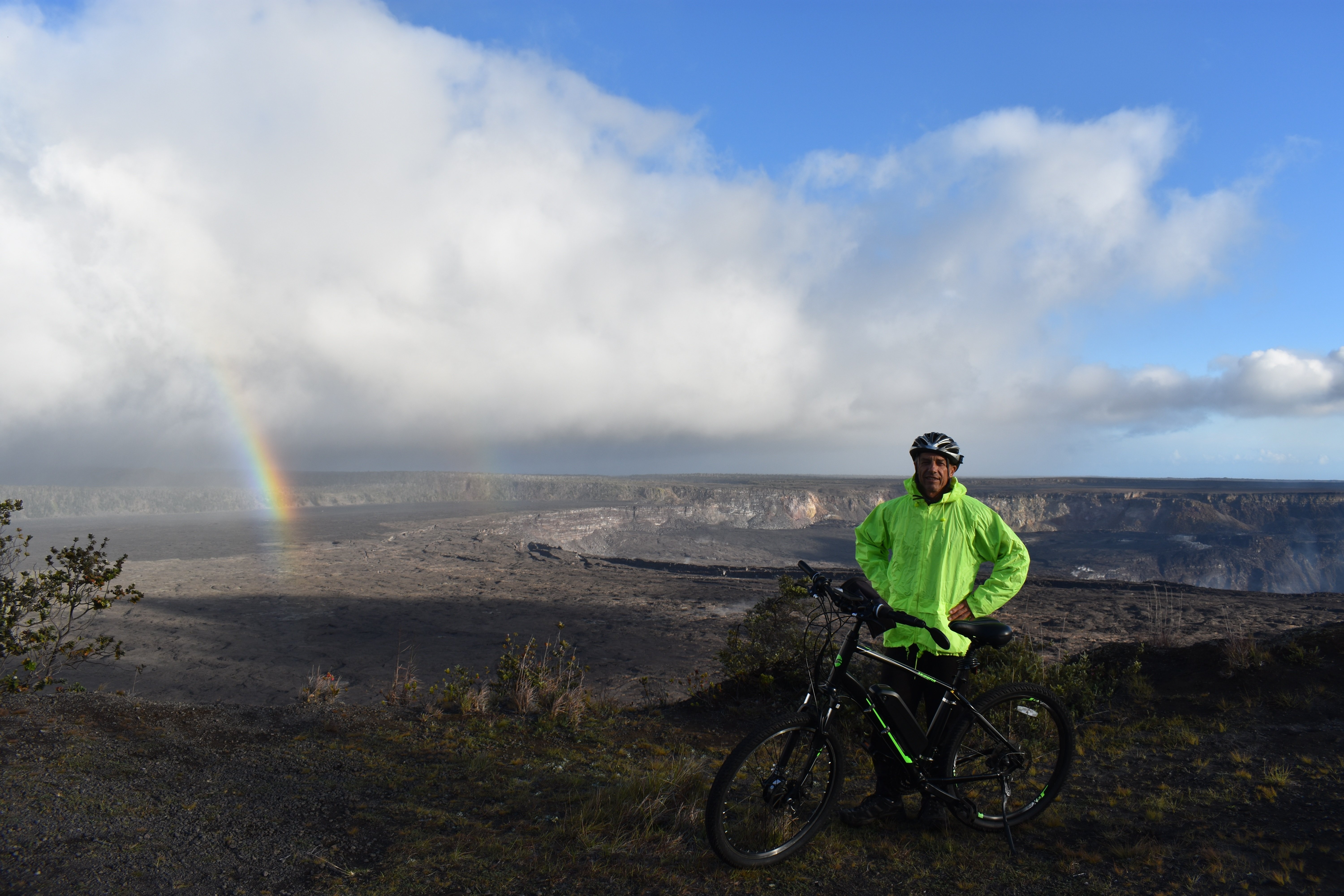
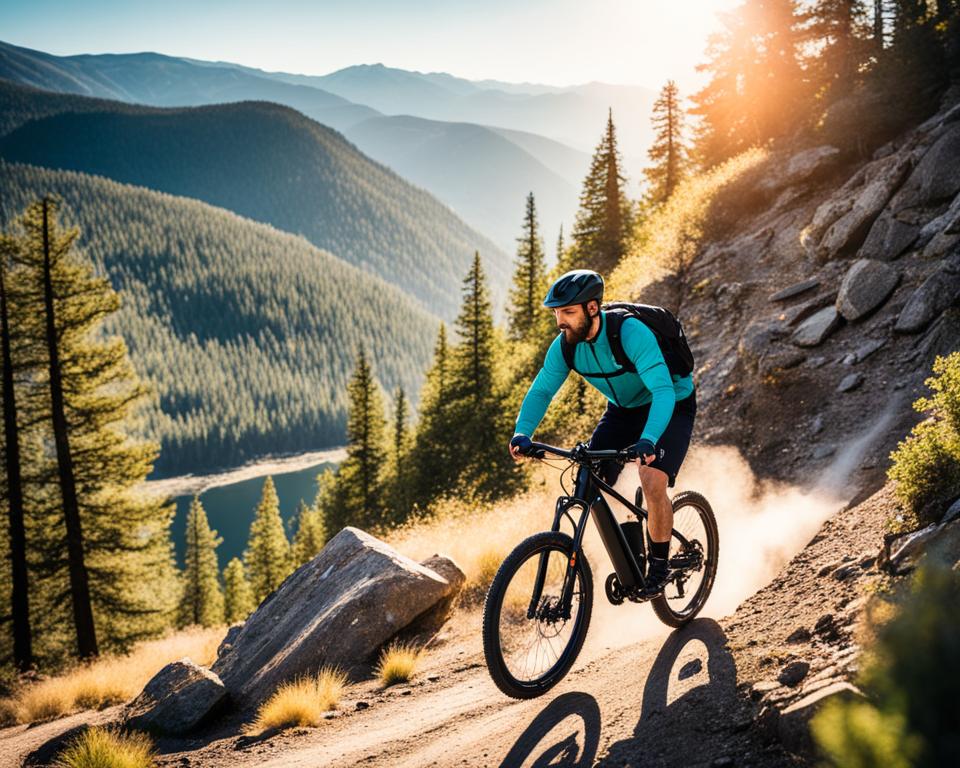
Pedal an electric bike around an active volcanic crater with turn-by-turn audio navigation through Hawaii's dramatic landscapes

4.6 (20)
FromFrom €139.59
See details
Guided Hike Through Hawaii Volcanoes National Park 3 hours Free Cancellation

Guided Hike Through Hawaii Volcanoes National Park

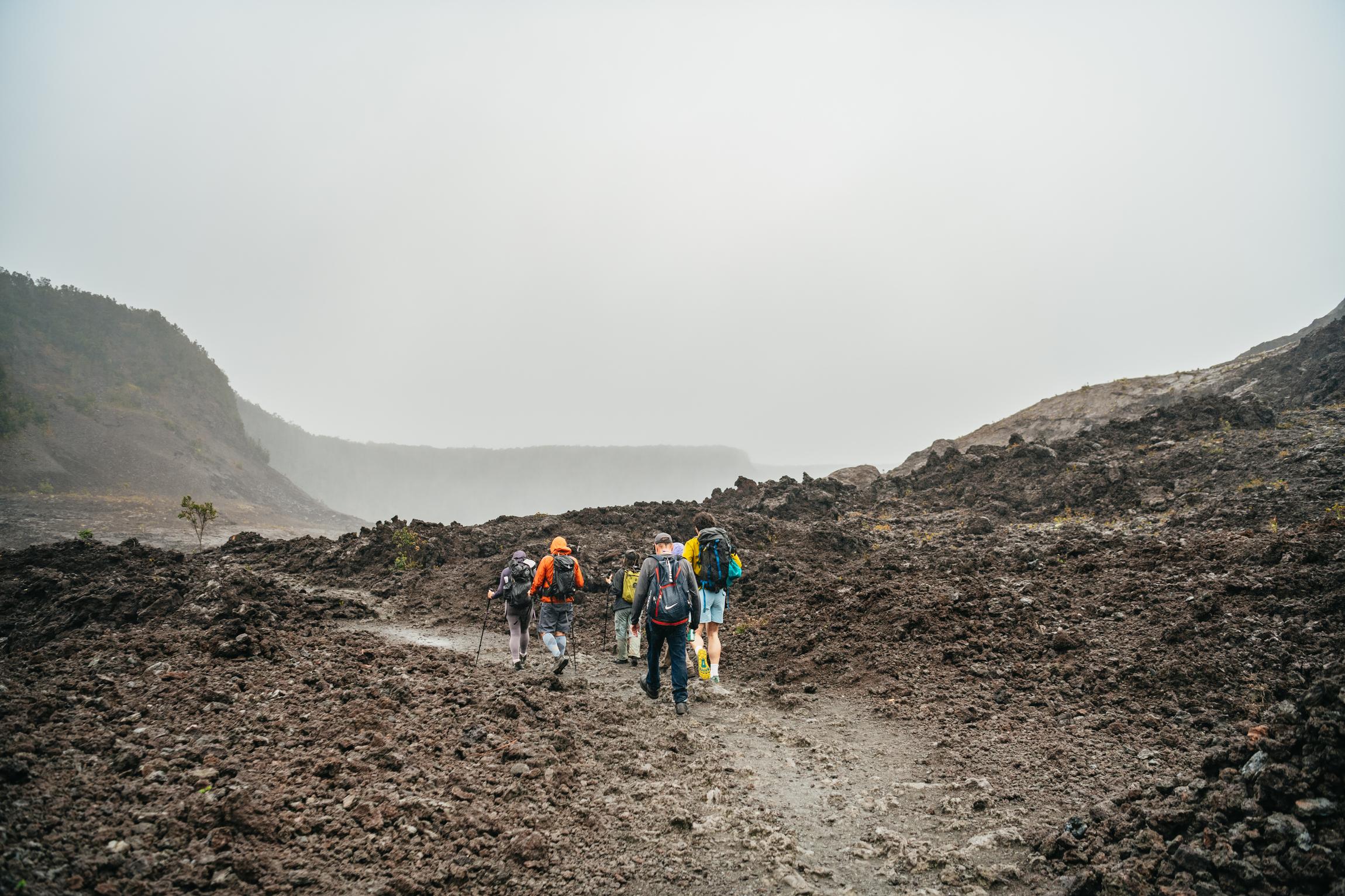
Trek a 4-mile loop through native rainforest and across ancient lava formations in this eco-focused adventure

4.9 (68)
FromFrom €105.35
See details
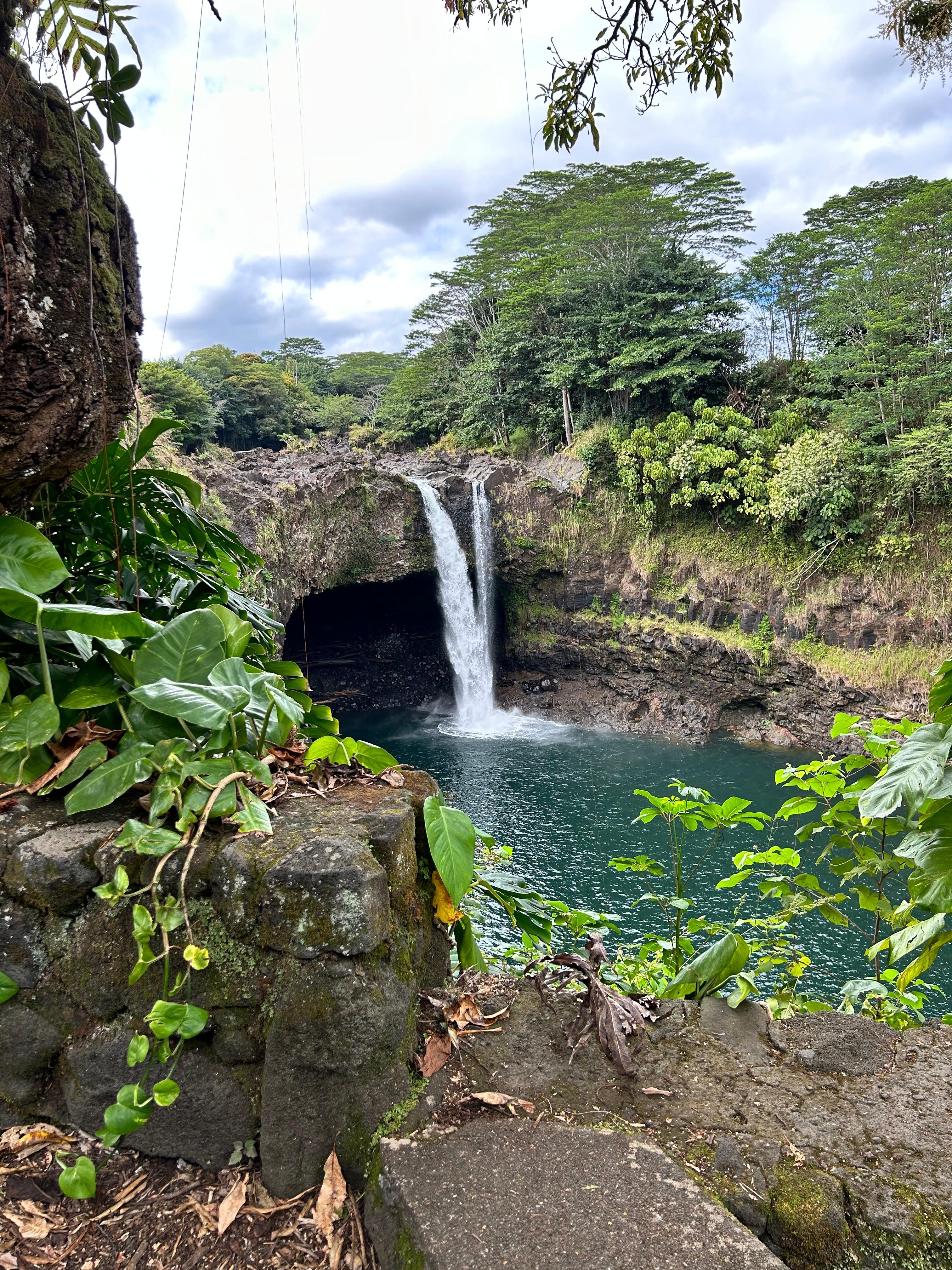
Hilo Waterfalls & Volcanoes Full-Day Adventure 8 hours Free Cancellation

Hilo Waterfalls & Volcanoes Full-Day Adventure

Journey through cascading falls, volcanic landscapes, and historic Hilo on an immersive Big Island tour

4.8 (46)
FromFrom €164.61
See details
Hawai'i Volcanoes National Park Guided Trek 6 hours 30 minutes Free Cancellation

Hawai'i Volcanoes National Park Guided Trek

Explore volcanic craters, lava tubes, and rainforests on a comprehensive guided adventure

4.9 (31)
FromFrom €202.25
See details
Hilo Volcano Explorer & Black Sand Beach Tour 6 hours Free Cancellation

Hilo Volcano Explorer & Black Sand Beach Tour

Journey through lava fields, cascading waterfalls, and volcanic craters on Hawaii's dramatic Big Island

4.6 (109)
FromFrom €148.37
See details
What you'll see

What you'll see at Kilauea Bike

Kīlauea Caldera

Kīlauea Caldera

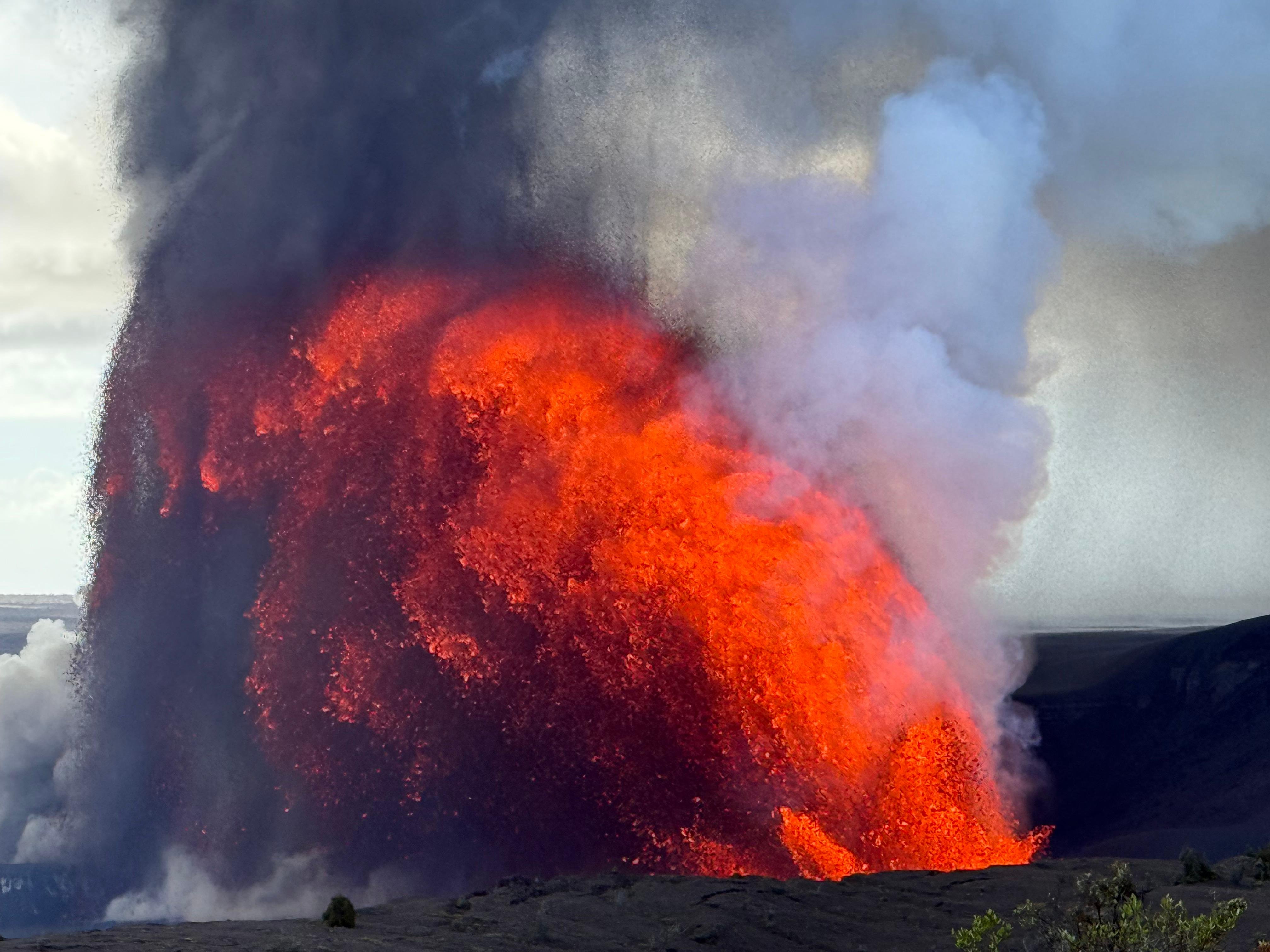
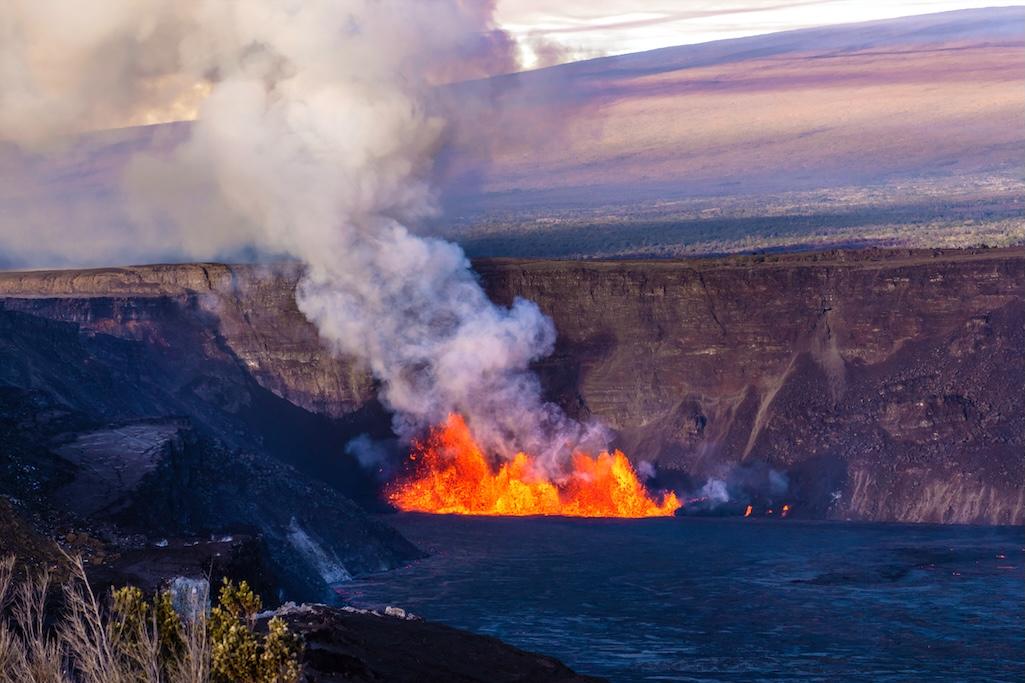
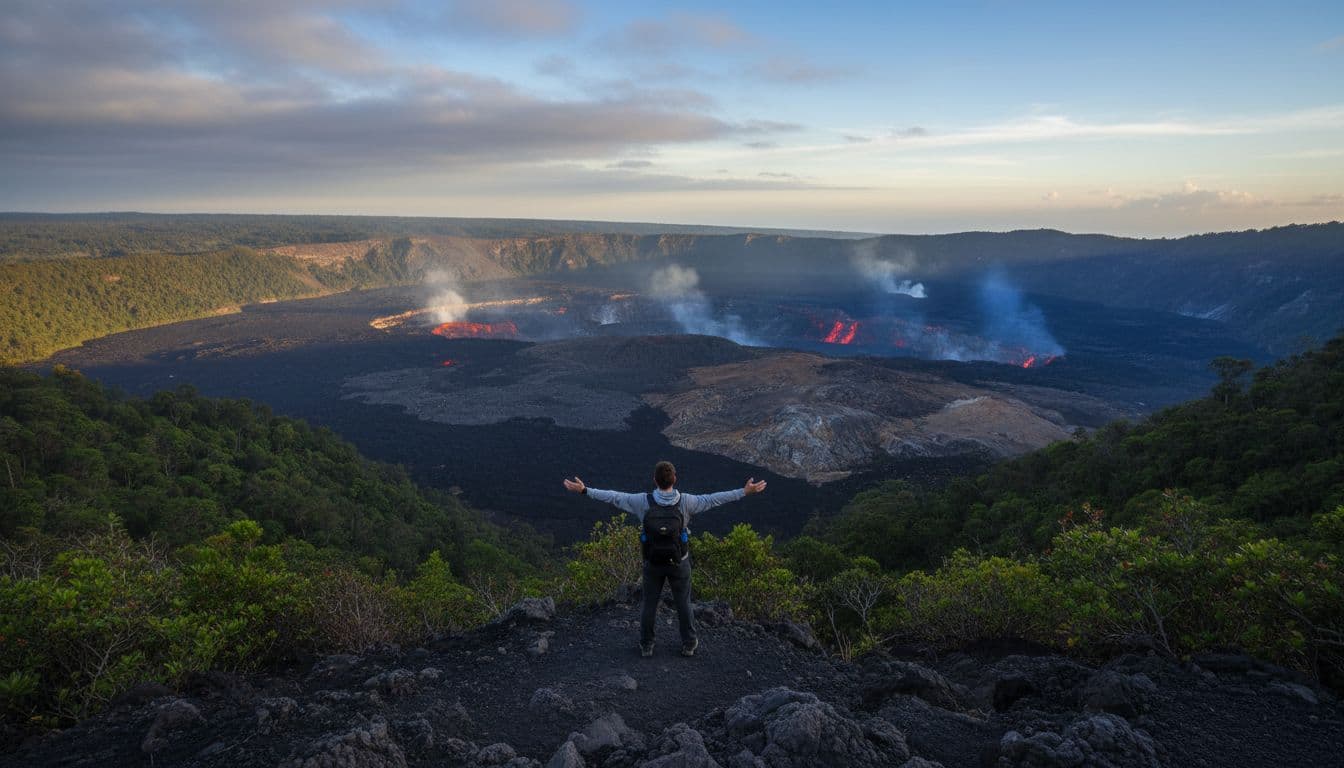
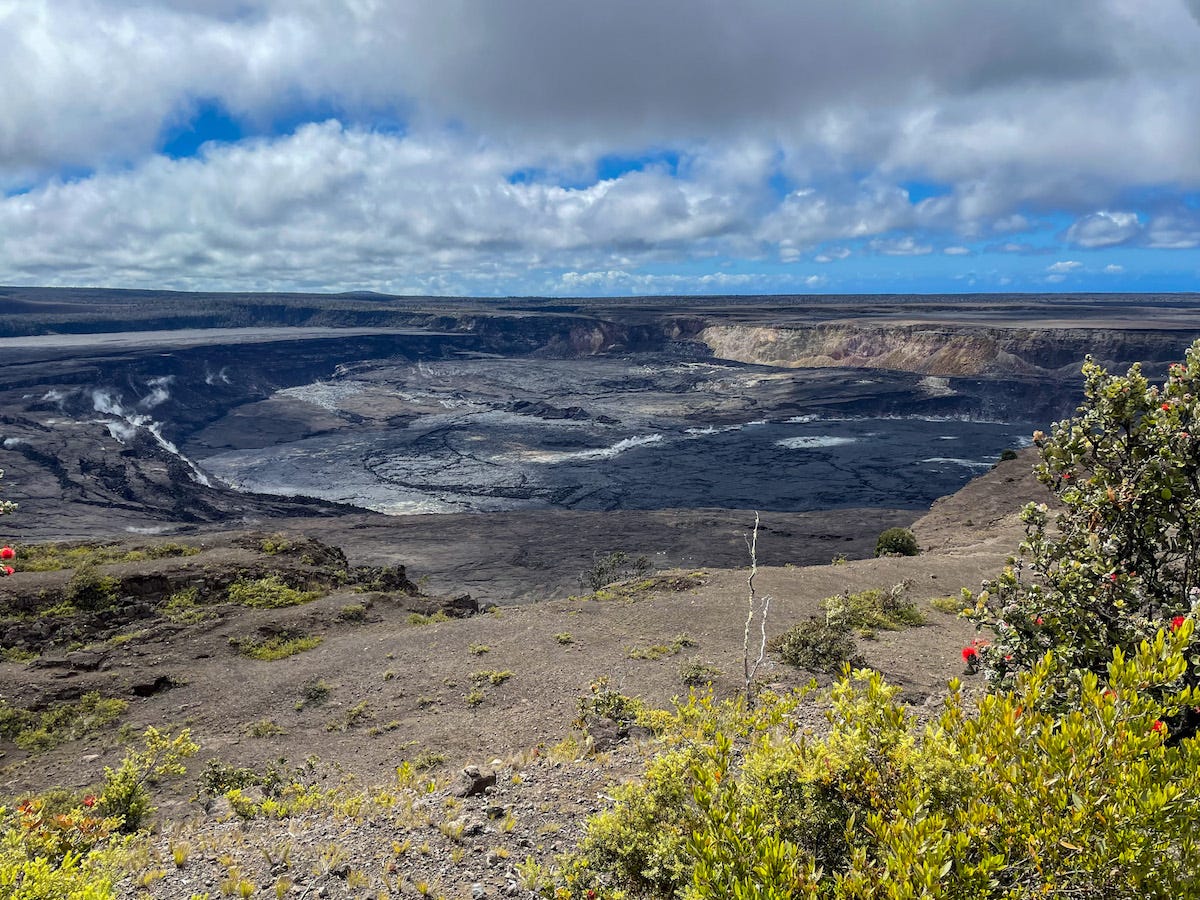
This massive summit crater is the centerpiece of the park and features active steaming vents along its rim. It represents the primary geological focus of any kilauea bike tour.

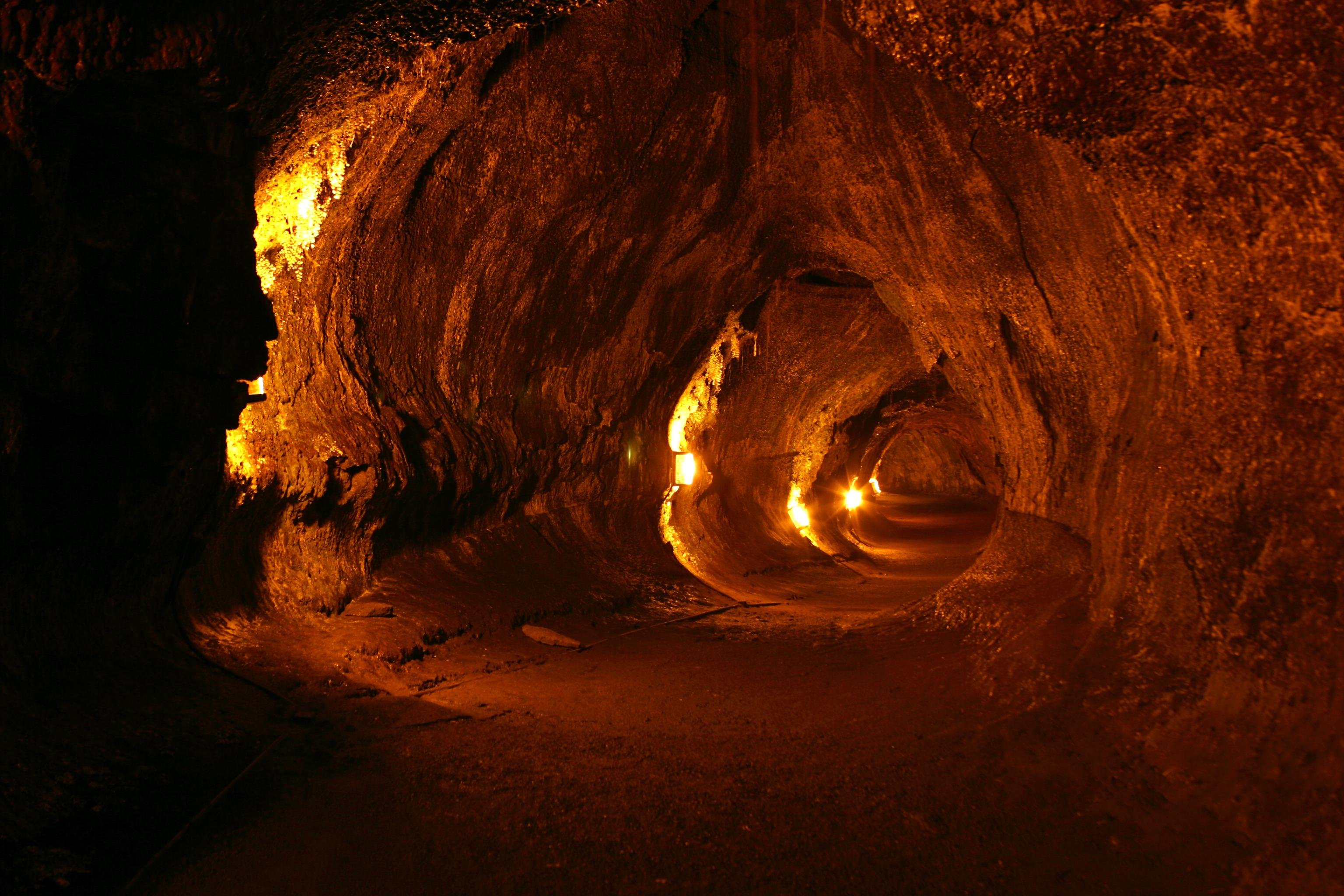
Thurston Lava Tube

Thurston Lava Tube

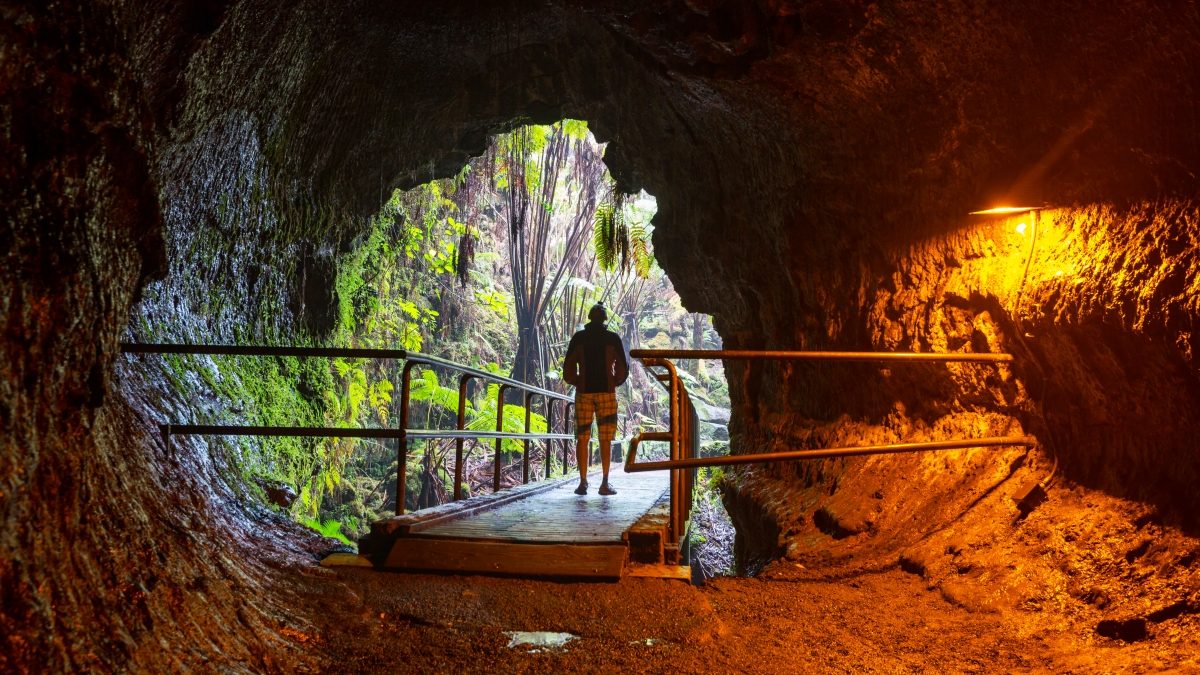
Known locally as Nāhuku, this 500-year-old tunnel was formed by a river of lava. It is a highlight often visited during a kilauea bike tour tour.

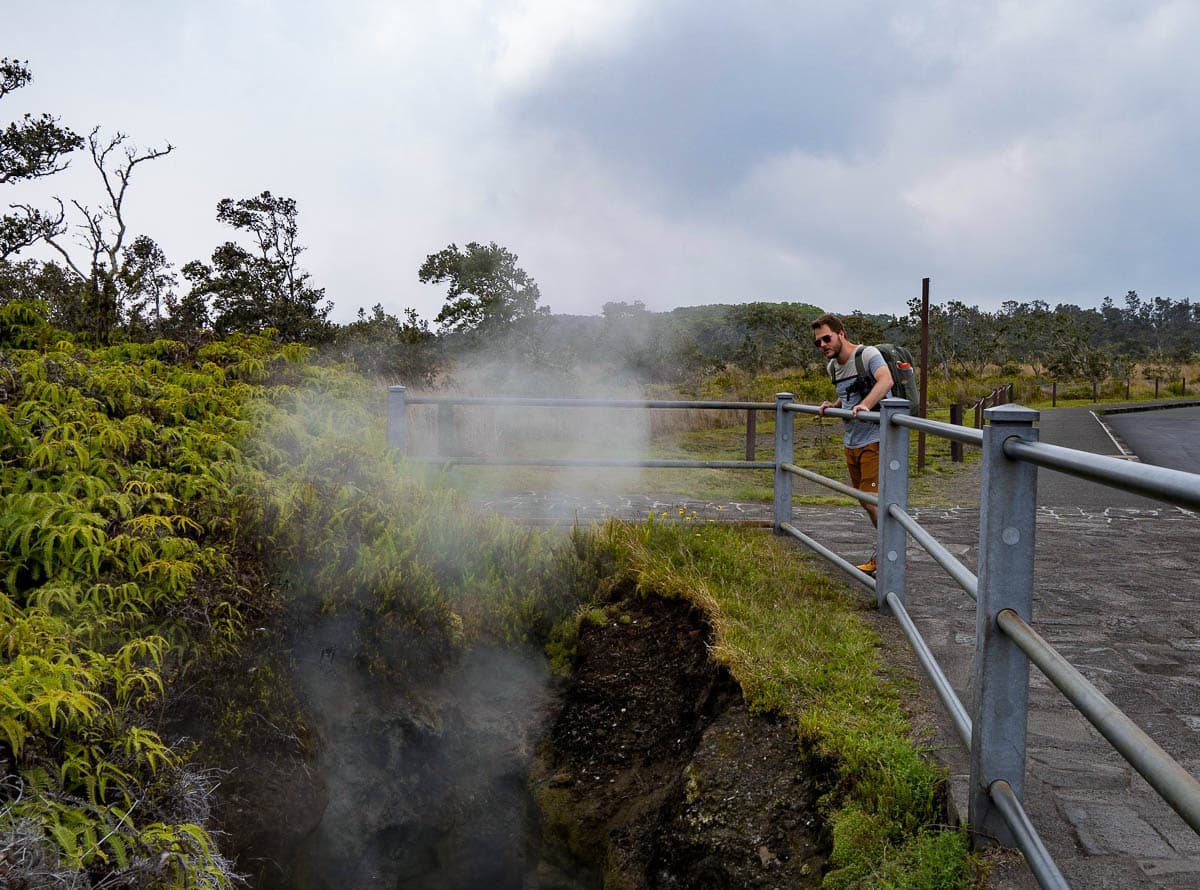
Steam Vents

Steam Vents

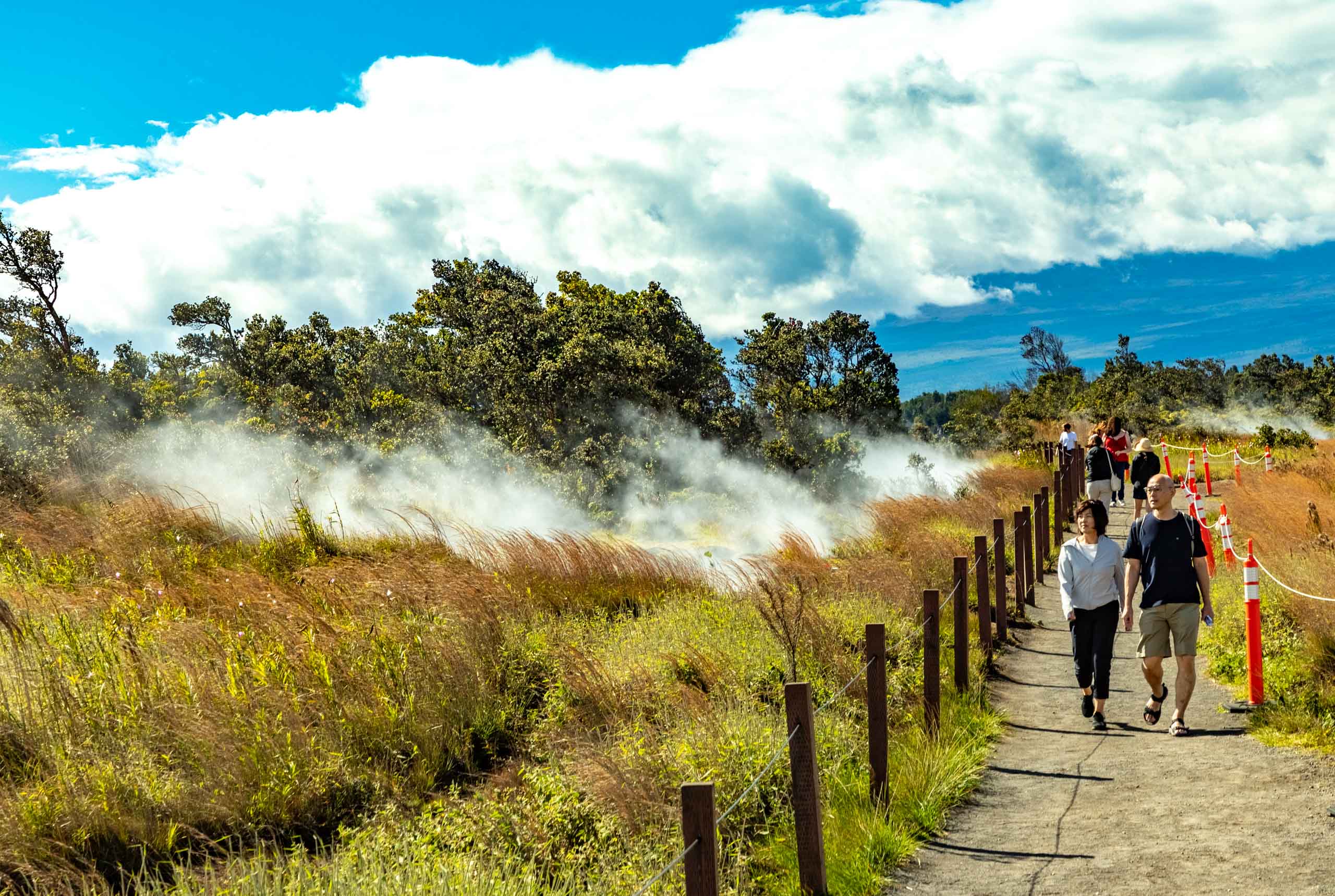
Natural geothermal vents release clouds of steam from groundwater heated by volcanic rock. These are a unique stop along the Crater Rim Drive kilauea bike tour path.

Chain of Craters Road

Chain of Craters Road

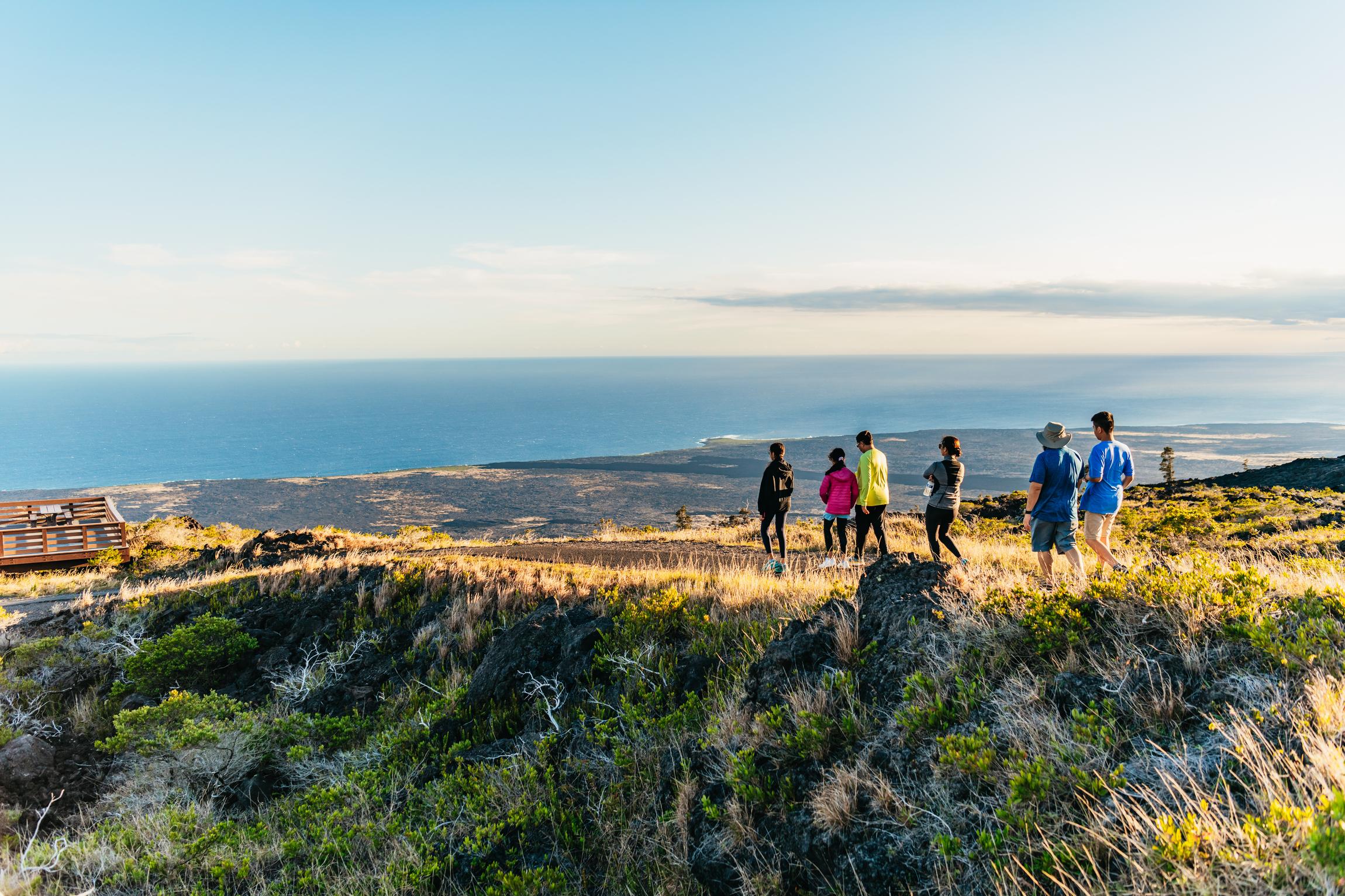
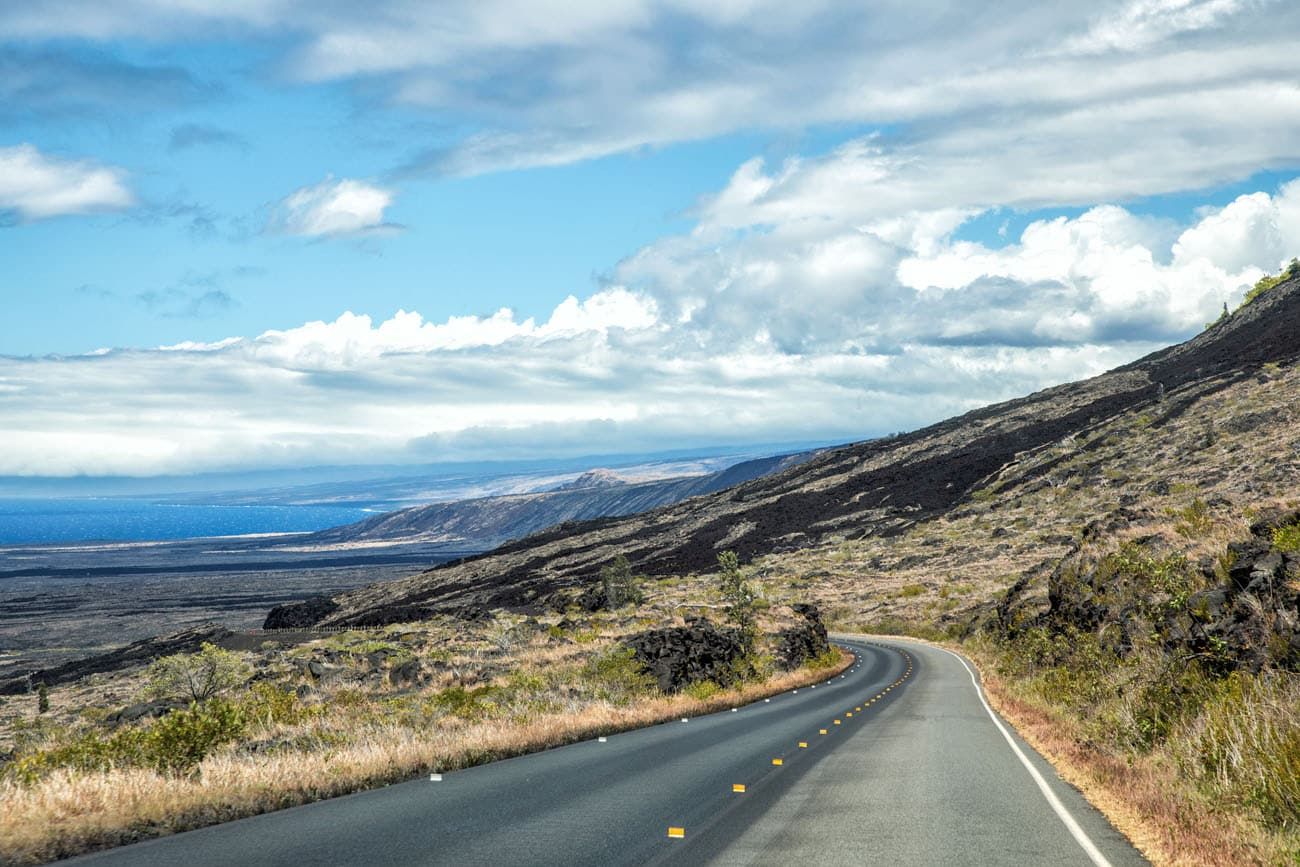
This scenic route descends 3,700 feet through diverse ecosystems and lava flows. It is a favorite for experienced riders on a kilauea bike tour.

Escape Road

Escape Road

A quieter, forest-lined trail that offers a car-free experience through native rainforest. This route is a peaceful alternative for a kilauea bike tour.

The experience

What visiting Kilauea Bike is really like

You enter the park at dawn, when mist clings to the ohia forest and the caldera exhales sulfur in visible curls. The first mile climbs gently past Kilauea Iki Overlook, where you pause to scan the 1959 lava lake, now hardened into a black basin rimmed with cinder cones.

Read more Show less

Your guide adjusts gears as the road flattens along the western caldera edge, and you freewheel past steaming fissures that hiss when trade winds shift.

At Halema'uma'u Overlook, you dismount. The crater fills half your field of view—a gray-walled amphitheater 900 feet deep, its floor cracked and emitting heat shimmer. Telescopes mounted on the rail show the lava lake 600 feet below, glowing orange when cloud cover lifts. You continue east, passing the Devastation Trail trailhead, where cinder from the 1959 eruption buried the forest in knee-deep pumice. The road descends through a ghost stand of bleached ohia trunks, then curves south toward the Thurston Lava Tube parking area. You lock your bike and walk 10 minutes through fern jungle into the tube's vaulted interior, 20 feet high and dripping with condensation. Back on the rim, you complete the loop as the sun breaks above Mauna Loa's silhouette, illuminating Crater Rim Drive's black ribbon against green upland slopes.

Kilauea Bike Tour
Everything You Need to Know

Your complete Kilauea Bike guide

All the details about your upcoming adventure in one place

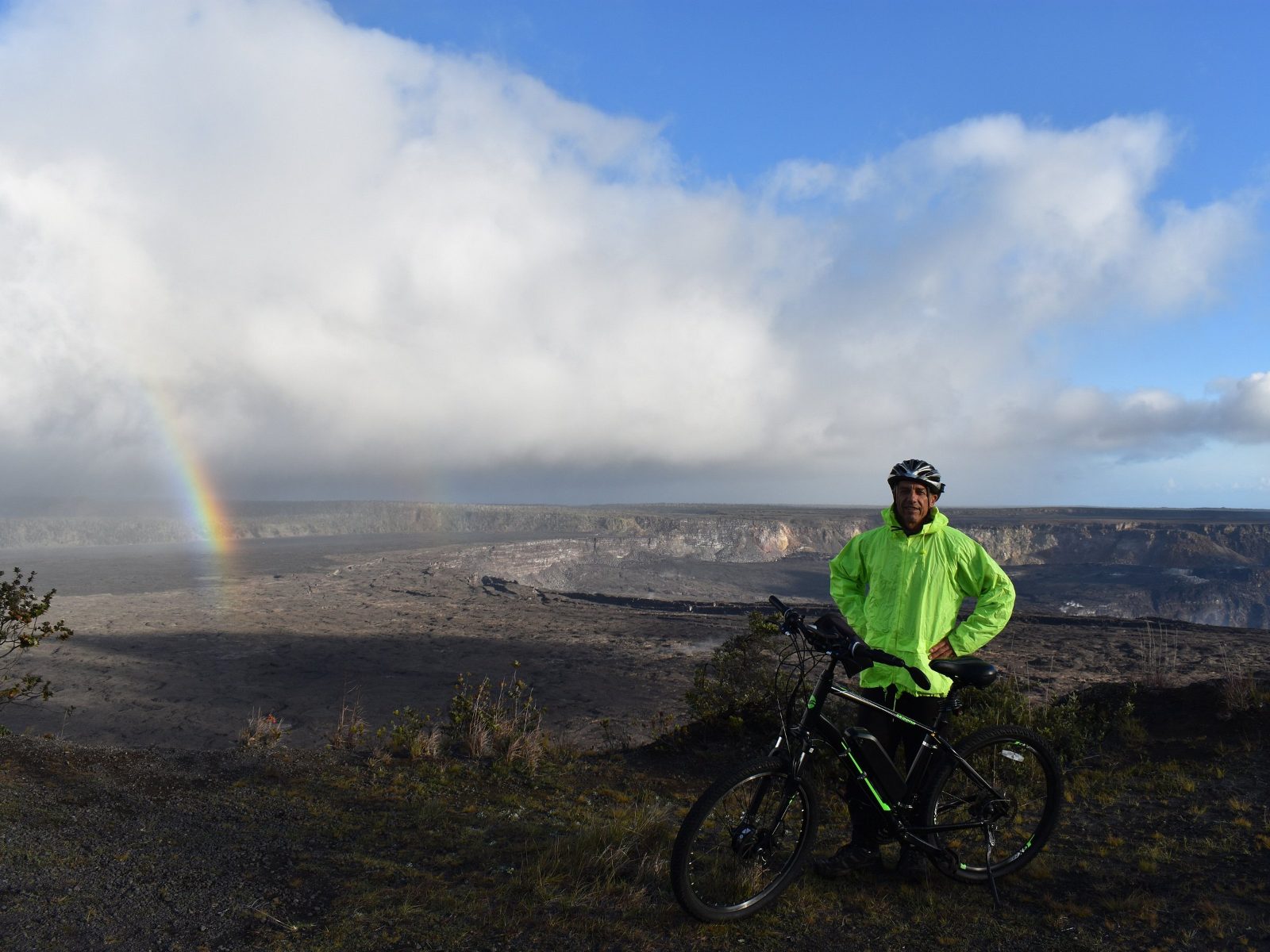
The 11-mile Crater Rim Drive encircles Kilauea Caldera, a collapse depression two miles wide and 400 feet deep that has reshaped itself continuously since 1983.

Pedaling this asphalt loop places cyclists at the margin of the world's most active volcano, where sulfur dioxide plumes rise from Halema'uma'u Crater and the Pacific Plate subducts beneath the island at 10 centimeters per year. The roadway, paved in 1928 and rebuilt after the 2018 summit collapse, crosses lava flows from seven distinct eruption cycles, each surface marked by pahoehoe ropes or jagged a'a clinker.

Cycling remains the most intimate traverse of the caldera rim. Guided volcano tours from Hilo often include bicycle segments along Chain of Craters Road, descending 3,700 feet through ecological zones that shift from alpine shrubland to coastal desert in 20 miles. The descent passes Thurston Lava Tube, a 500-year-old conduit lined with fern grottos, and the Pu'u Loa Petroglyphs, where 23,000 carvings document Native Hawaiian pilgrimage dating to 1200 CE. The park's 335,259 acres contain 150 miles of trails, but the rim drive and its spurs offer the only paved access to active thermal features.

Kilauea's elevation—4,091 feet at the caldera rim—moderates tropical heat, though trade winds carry volcanic fog (vog) that reduces visibility when sulfur emissions exceed 5,000 tons daily. The park recorded 1.1 million visitors in 2025, with bicycle traffic concentrated before 9 a.m. and after 4 p.m., when temperatures drop below 70°F. Crater Rim Drive reopened fully in 2023 after five years of seismic repair; sections near Jaggar Museum remain closed due to unstable ground. The $15 conservation fee supports trail maintenance and real-time seismic monitoring, published hourly by the Hawaiian Volcano Observatory.

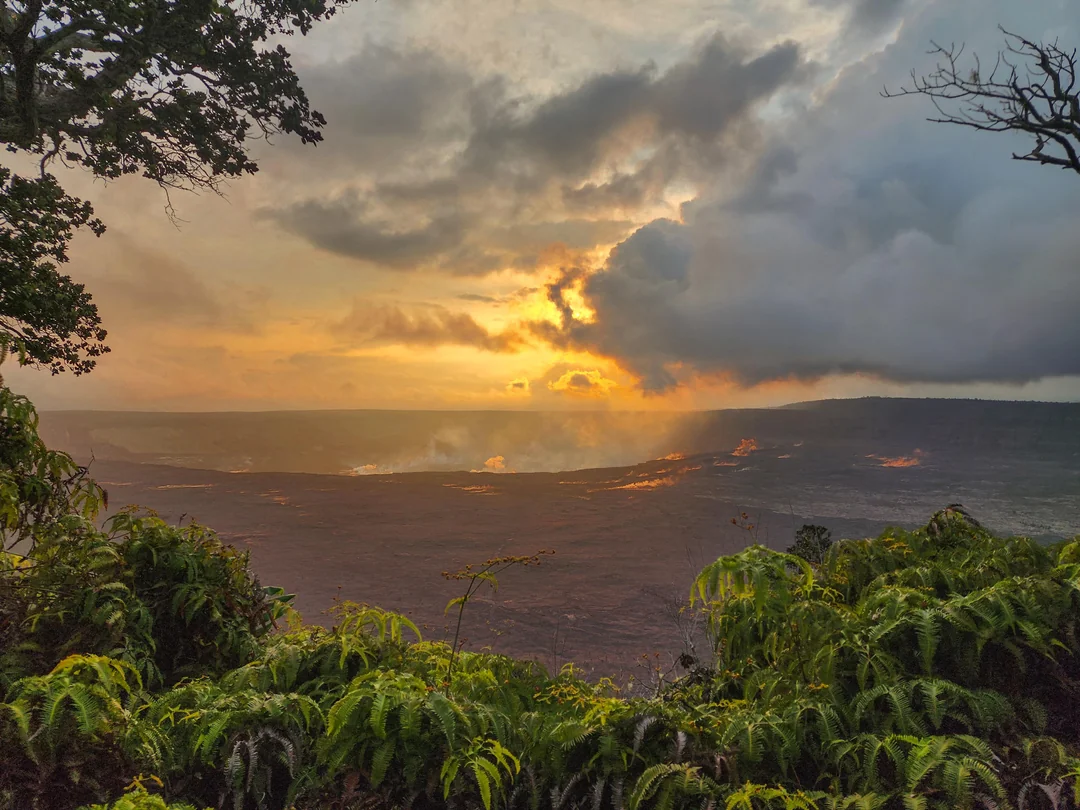
The route's geological legibility—layers of basalt, ash, and tephra visible in roadcuts—makes volcano cycling Hawaii's clearest lesson in planetary mechanics. You ride across a hotspot that has built the entire Hawaiian archipelago over 70 million years, each pedal stroke crossing stone younger than your grandparents.

You ride across a hotspot that has built the entire Hawaiian archipelago over 70 million years, each pedal stroke crossing stone younger than your grandparents.
Dress code

Dress in layers and wear closed-toe shoes suitable for gravel and paved roads. Rain gear is essential due to frequent weather changes in the rainforest.

Bags & security

Carry a light daypack with essentials. All personal items must be secured while cycling as loose gear can pose a safety hazard on winding trails.

Photography

Photography is permitted throughout the kilauea bike tour routes. Use caution when stopping for photos to ensure you do not block the roadway for other cyclists or vehicles.

Families & strollers

Families are welcome, but note that the kilauea bike tour requires strong steering and balancing skills. E-bikes are often recommended for riders needing assistance on inclines.

Accessibility

The park provides paved routes suitable for intermediate cyclists, but terrain is volcanic and can be uneven. Always check local trail conditions before starting your kilauea bike tour.

Food & drink

Services are limited within the park, so bring sufficient water and meals for your trip. Consumption of food should happen in designated picnic areas to protect the environment.

Not allowed

× Drones × Litter × Firearms × Off-trail equipment × Unauthorized commercial signage × Alcohol × Open flames × Speakers

What to bring

✓ Water bottle ✓ High-energy snacks ✓ Rain poncho ✓ Windbreaker ✓ Sunscreen ✓ First aid kit ✓ Headlamp

Opening hours

Mon 00:00–23:59
Tue 00:00–23:59
Wed 00:00–23:59
Thu 00:00–23:59
Fri 00:00–23:59
Sat 00:00–23:59
Sun 00:00–23:59

How to get there

At a glance

Opening hours

00:00–23:59 daily

Address

1 Crater Rim Drive, Hawaii National Park, HI 96718

Entry fee

15 USD (conservation fee, per person, valid 7 days)

Best arrival

00:00–23:59

Storage

No public lockers available

Official site

https://www.nps.gov/havo

Cancellation policy

Tour operators often require 48-hour notice for cancellations. Please verify specific operator policies regarding the 15 USD conservation fee, which is collected by the National Park Service.

Plan your time

Planning Your Kilauea Bike Tour Duration and Timing

Recommended time

3-4 hours

A typical kilauea bike tour allows for a comprehensive loop around the caldera, incorporating time for gear fitting and safety briefings. Plan for extra time if you choose to explore side trails on foot, though bicycle mobility remains the most efficient way to navigate the crater rim drive. Regarding your kilauea bike tour tickets, arriving early helps you avoid peak congestion near the popular steam vents and lava flows. While visitors often seek out kilauea bike tour tours during mid-day, the best arrival window is 00:00–23:59 — The park is open 24 hours; early mornings or late evenings provide cooler temperatures and crowds.

Crowd levels through the day

Early Morning Light
Mid-Morning Moderate
Noon Heavy
Afternoon Moderate
Evening Light
The story

The history of Kilauea Bike

Hawaii Volcanoes National Park was established on August 1, 1916, making it one of the earliest units in the National Park Service and the first to protect an active volcanic landscape. The park's origins trace to 1912, when botanist and conservationist Lorrin Thurston lobbied Congress to preserve Kilauea and Mauna Loa, arguing that their scientific and scenic value outweighed competing interests in land development. When President Woodrow Wilson signed the enabling legislation, the park encompassed 130,000 acres of geologically dynamic terrain, including Kilauea's summit caldera and the volcanic rift zones that would shape its future. Crater Rim Drive, the park's signature roadway and the route most kilauea bike tour operators follow today, opened in stages between 1928 and 1931. The Civilian Conservation Corps built stone guardrails and overlooks, engineering a loop that brought visitors within sight of Halemaumau Crater and the still-steaming vents along the caldera floor. In 1983, Kilauea entered a new eruptive phase that would last 35 years, burying sections of Chain of Craters Road under fresh lava and closing the eastern half of Crater Rim Drive by 1989. The park adapted, rerouting cycling tours and foot traffic to the western rim, where sulfur dioxide emissions remained within safe thresholds. The 2018 eruption redrew the park's geography. Between May and August, the summit collapsed 500 meters, draining the lava lake and triggering thousands of earthquakes. Halemaumau Crater expanded to more than four times its pre-eruption size, swallowing the former overlook and severing Crater Rim Drive. The park closed for 134 days, the longest shutdown in its history. When kilauea bike tour tickets became available again in September 2018, only the western segment remained passable. Engineers reopened portions of the loop in 2020, and by 2023, a reconstructed alignment allowed cyclists to complete a modified circuit past the transformed caldera, where volcanic gas monitors now outnumber the original CCC stonework.

1916

Hawaii Volcanoes National Park established by Congress, protecting Kilauea and Mauna Loa

1928–1931

Crater Rim Drive constructed by the Civilian Conservation Corps, creating the park's primary scenic loop

1983

Kilauea begins continuous eruption, eventually closing the eastern half of Crater Rim Drive by 1989

2018

Summit collapse and eruption reshape Halemaumau Crater, expanding it fourfold and severing the rim road

Sept 2018

Park reopens after 134-day closure, with only western road segments accessible to cyclists

2020–2023

Engineers rebuild sections of Crater Rim Drive, restoring a modified loop past the transformed caldera

Photo spots

Top Photography Locations on Your Kilauea Bike Tour

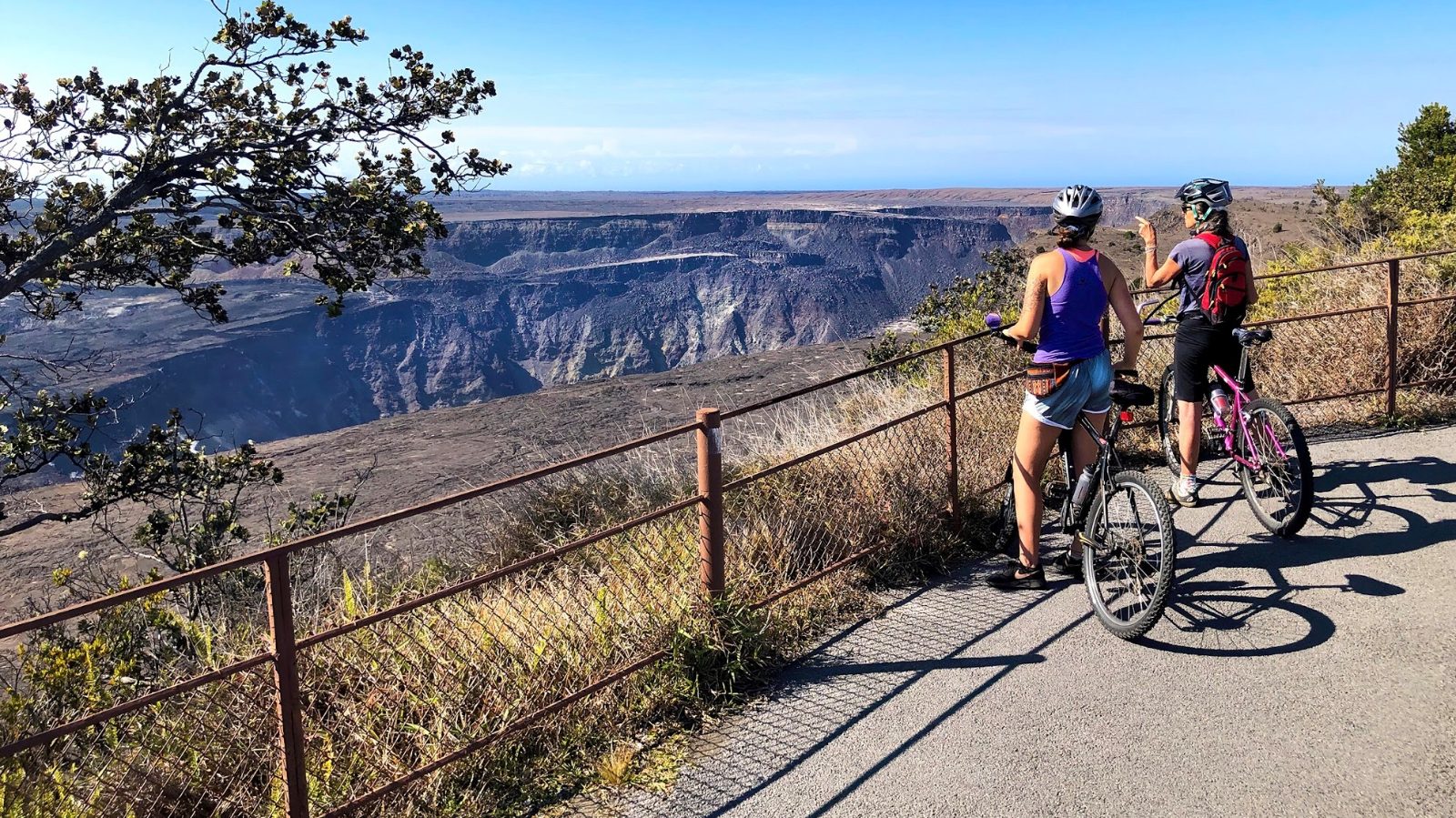
Kilauea Overlook

Kilauea Overlook

Best light · Golden hour

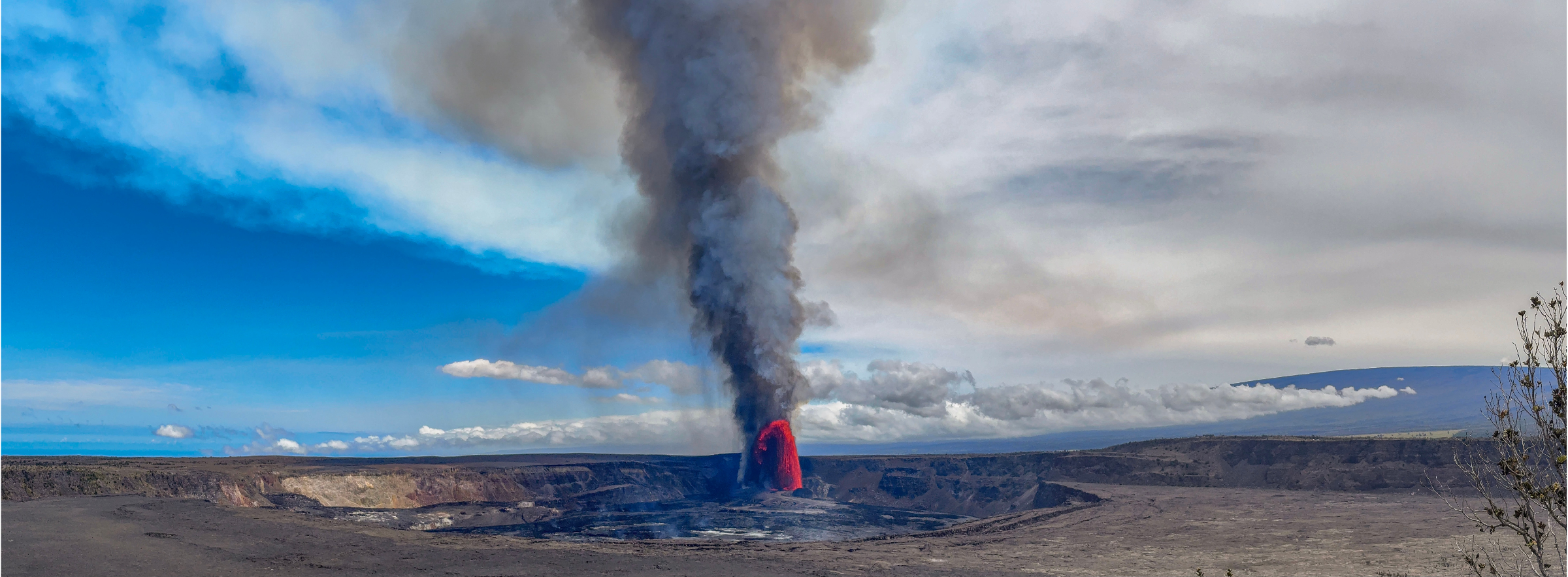
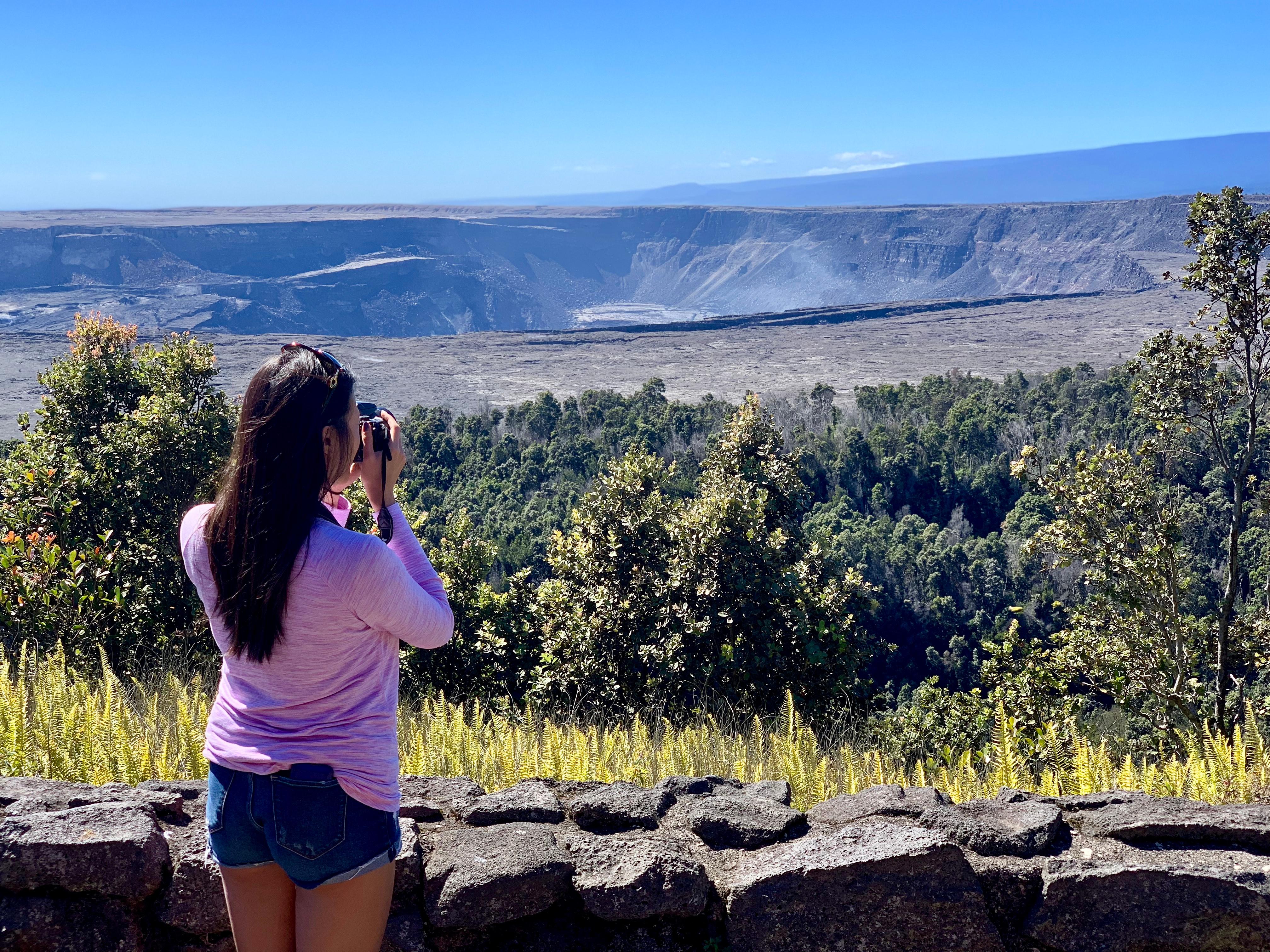
Stand at the stone wall railing to capture the expansive caldera floor and distant plume activity. This primary stop is a highlight of any kilauea bike tour and offers the clearest panoramic perspective of the summit.

Steam Vents

Steam Vents

Best light · Early morning

Position your camera near the reinforced paths where volcanic vapor rises through the earth fissures. The stark contrast between the white steam and the dark volcanic rock provides a unique texture for your Hawaii volcano cycling adventure.

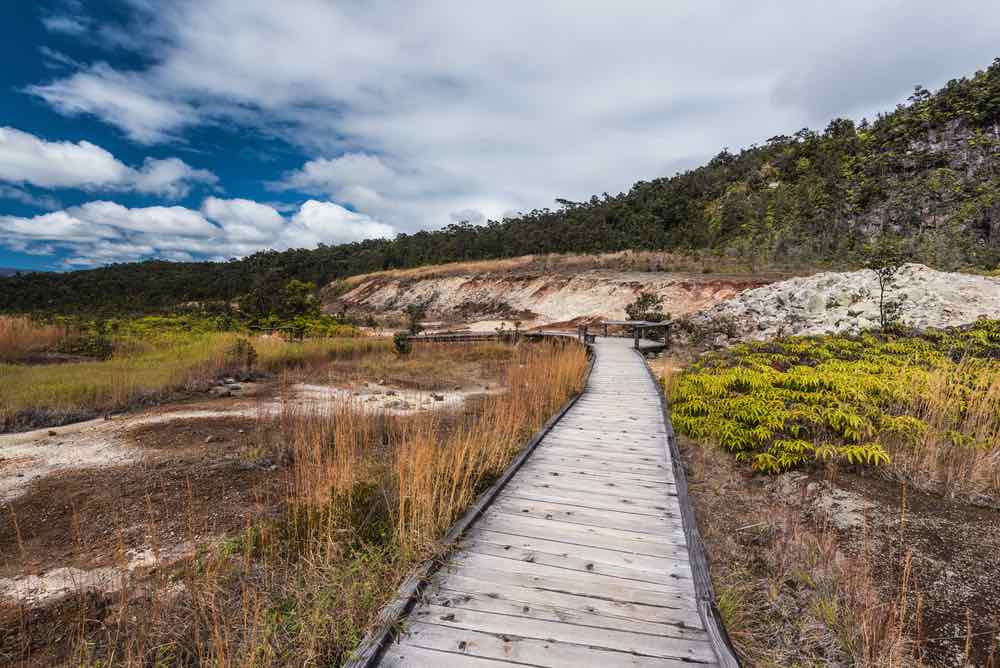
Sulphur Banks

Sulphur Banks

Best light · Midday

Walk the short boardwalk trail to photograph the colorful mineral deposits and yellow-crusted landscape. Photographers often favor the close-up details of these geothermal features to diversify their gallery of kilauea bike tour tours.

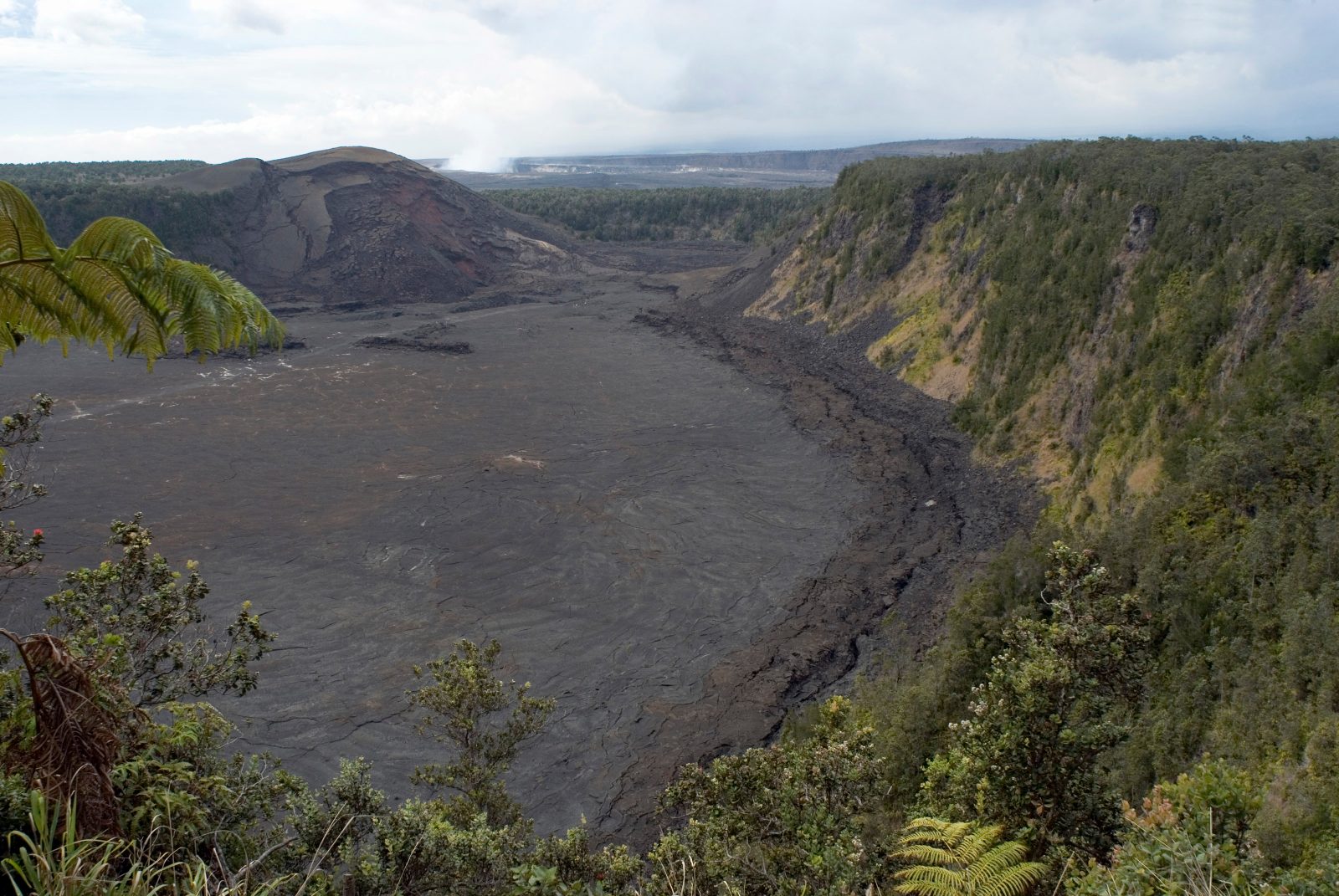
Kilauea Iki Overlook

Kilauea Iki Overlook

Best light · Late afternoon

Capture the dramatic sunken forest and solidified lava lake from the high-elevation rim trail. This vantage point is essential for those seeking to secure their kilauea bike tour tickets and document the island's raw geology.

Gallery

Moments from Kilauea Bike

With kids

Visiting Kilauea Bike with kids

Exploring the volcanic landscapes on a kilauea bike tour offers families an immersive way to experience the park's dramatic crater views and lush rainforests. Pedal-assist e-bikes are often available to help younger or less experienced riders manage the terrain with ease.

Age Limits

E-bike regulations in Hawaii generally require riders to be at least 15 years old, so verify specific tour provider policies for younger participants before booking.

Pacing and Terrain

While some routes offer gentle paved paths, other areas feature gravel or hilly sections; choose a path that matches your family's cycling confidence.

Best Gear

Expect variable weather including mist and wind, so dress in layers and carry a rain poncho to stay comfortable during your ride.

Safety and Rules

Always stay on designated bike routes to protect fragile lava features and keep a safe distance from sulfur vents; heed all signage provided by tour guides or park staff.

Junior Ranger Program

Combine your cycle adventure with the park's Junior Ranger Program, where kids can pick up a handbook at the visitor center to earn a badge.

Food & drink

Dining Near Your Kilauea Bike Tour Route

Refueling options are conveniently located near your kilauea bike tour, primarily concentrated around the summit area of the park. While dining choices within the national park are limited, these establishments provide essential sustenance for those finishing their volcanic excursion.

The Rim Restaurant

$$$

Bistro — 2 min walk

Located within the historic Volcano House, this venue offers locally sourced ingredients and views of the caldera. It is a suitable choice for a relaxed meal after completing your kilauea bike tour tours.

FAQ

Kilauea Bike — frequently asked questions

Everything you need to know for your journey

Ready for Adventure?

Join thousands of happy travelers who have discovered this incredible experience

Book Your Experience Now