7 hr
Hawaii Volcanoes National Park & Hilo Coastal Tour
- Expert local guide
- Small group
- Skip-the-line access
- Free cancellation
Kilauea Tours From Hilo — Volcano, Crater & Coast Experiences
Summit craters and lava landscapes meet coastal waterfalls, departing daily from Hilo harbor
Compare fares, pick the fit — all bookings are mobile-voucher and eligible for free cancellation where shown.
7 hr
11 hr
5 hr
Visitors planning Kilauea tours from Hilo have several entry options for Hawaii Volcanoes National Park, ranging from standard private vehicle passes to multi-park annual memberships. These passes provide essential access to the summit area and major geological features within this UNESCO-recognized site.
|
Top pick Standard Pass Private Vehicle |
Annual Pass Hawaiʻi Tri-Park | |
|---|---|---|
| Access duration | 7 days | 12 months |
| Valid areas | All park zones | All park zones |
| Entry limit | One private vehicle | One private vehicle |
| Fee | 30 USD | 55 USD |
| Best for | First-timers | Frequent visitors |
| See tickets & prices |
Verdict: Choose the standard entry for a single visit, or opt for the Tri-Park pass if you plan to visit multiple Hawaii landmarks during your trip via these kilauea tours from hilo tickets.
Worth it for first-timers wanting expert context
Kilauea tours from hilo typically bundle park admission with transportation, guide narration, and stops at waterfalls or coffee farms along the Hamakua Coast. Most tours run six to eight hours and include the $30 park entry fee in their pricing, which means the incremental cost covers fuel, pickup logistics, and interpretation of volcanic features like the Kīlauea caldera and active lava flows when accessible. Guided options work best for visitors without rental cars, those intimidated by unfamiliar roads, or travelers who want curated commentary on Hawaiian volcanism and geology without self-research. If you already have a vehicle and prefer exploring Crater Rim Drive at your own pace, the self-drive route saves money and grants flexibility to linger at steam vents or hike Devastation Trail on your timeline. Tours shine for efficiency—drivers handle the 30-mile trip from Hilo while you absorb context—but they lock you into group schedules and limit spontaneous detours to thermal areas or petroglyphs.
Bottom line: Book a kilauea tours from hilo tour if you value guided volcanic interpretation over independent exploration; skip it if you have a car and prefer setting your own caldera itinerary.
These experiences offer distinct geological perspectives; most visitors who choose between them find that Hawaii Volcanoes National Park provides a more immersive volcanic hiking experience, while Mauna Kea is the superior choice for stargazing. Comparing kilauea tours from hilo tours reveals how each landscape defines the island's unique terrain.
|
Top pick Volcanoes NP |
Mauna Kea Summit | |
|---|---|---|
| Primary Focus | Active volcanic landscapes | High-altitude stargazing |
| Average Duration | Full day (variable) | 8–9 hours |
| Entrance Fee | 30 USD (per vehicle) | Free (Public access) |
| Best Time to Visit | 07:00–09:00 | Sunset and night |
| Topographic Type | Active caldera and craters | Dormant shield volcano |
| Accessibility | Easy trails and drives | Requires 4WD for summit |
| Primary Experience | Geology and lava tubes | Astronomy and sunsets |
| See tickets & prices |
Verdict: If you want to walk through lava tubes and explore active geological sites, book one of the kilauea tours from hilo tour options, but if you prioritize night-sky clarity and alpine views, securing your Mauna Kea stargazing tickets is the way to go.
Hand-picked experiences loved by thousands of travelers
7 hours
Free Cancellation
Seven-hour journey through volcanic landscapes, rainforest waterfalls, and unique beaches on Hawaii's Big Island
7 hours
Free Cancellation
Seven-hour journey from Hilo through volcanic craters, lava tubes, waterfalls, and turtle-filled beaches
6 hours
Free Cancellation
Explore Kilauea's volcanic landscapes, stunning waterfalls, and Hawaii's famous black sand shores
8 hours
Free Cancellation
Journey through Hilo's cascading falls, volcanic craters, and lush rainforest on this comprehensive island tour
5 hours 30 minutes
Free Cancellation
Explore Kilauea's summit, walk through a lava tube, and discover Hilo's natural wonders on this guided adventure
5 hours 30 minutes
Free Cancellation
Half-day journey through lava tubes, cascading falls, and volcanic landscapes with flexible routing
6 hours 30 minutes
Free Cancellation
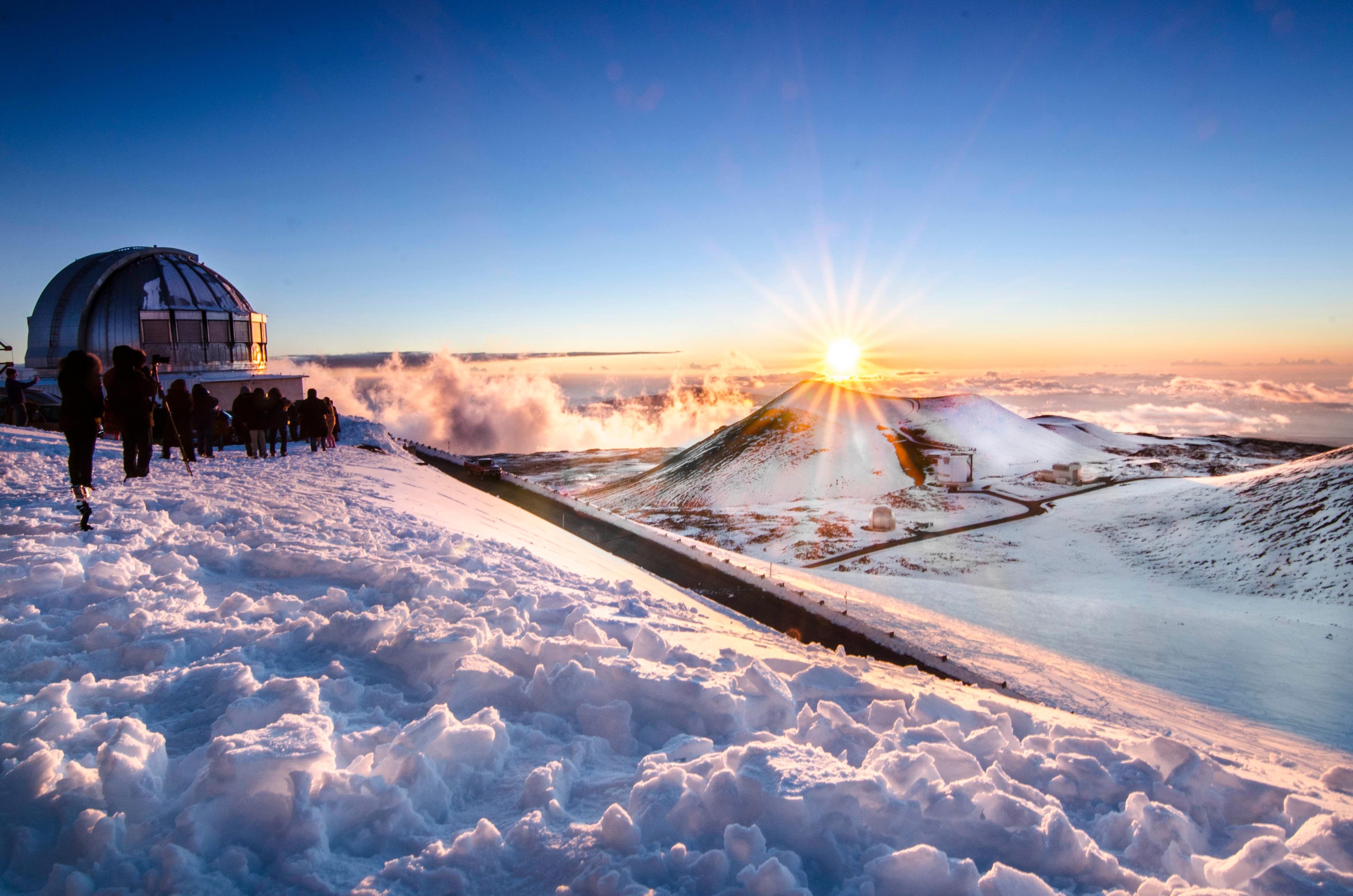
Watch the sun set from Hawaii's highest peak, then explore the cosmos through professional telescopes
8 hours
Free Cancellation
Full-day personalized expedition through Hawaii's volcanic wonders, black sand shores, and coffee country
Check-in and park orientation
Explore the caldera and steam vents
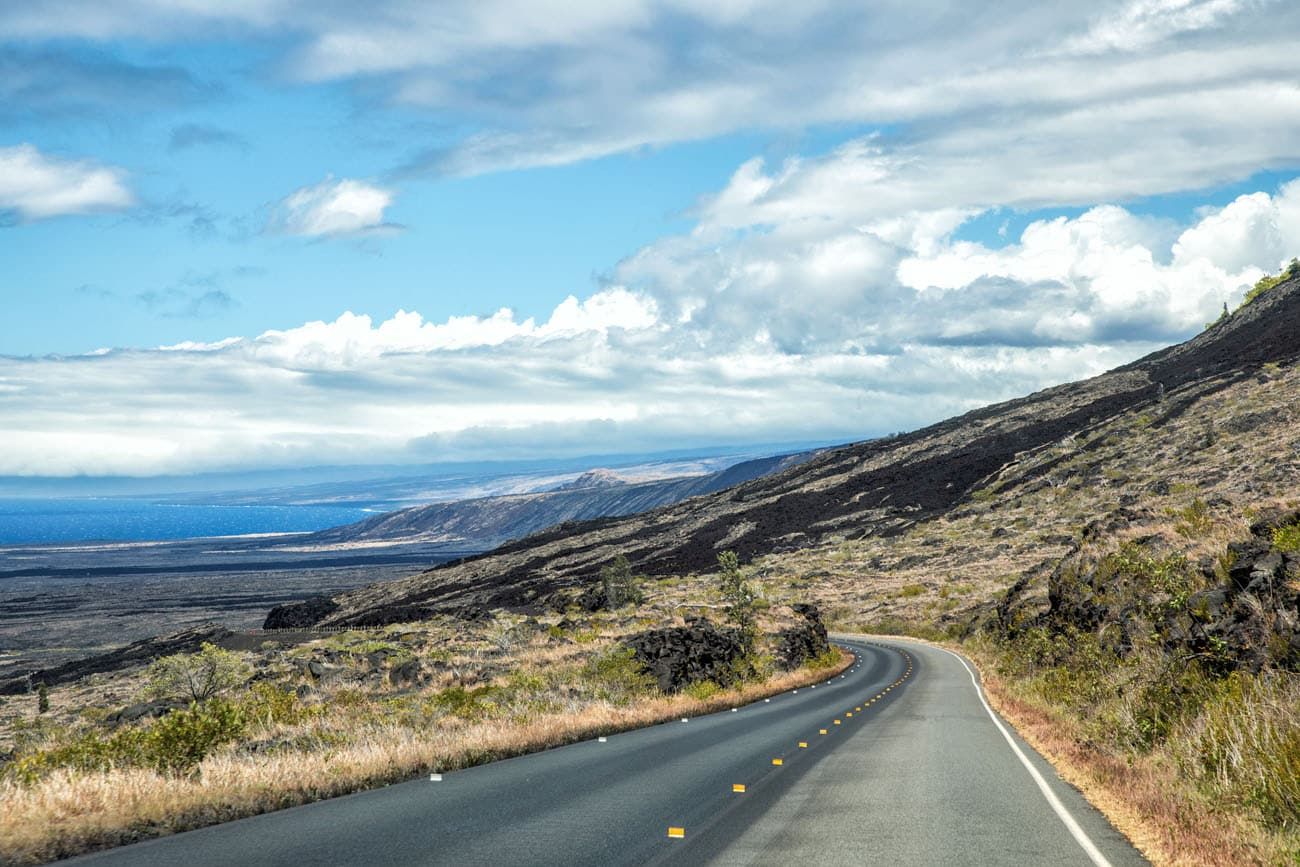
Drive down to the coastal lava plains
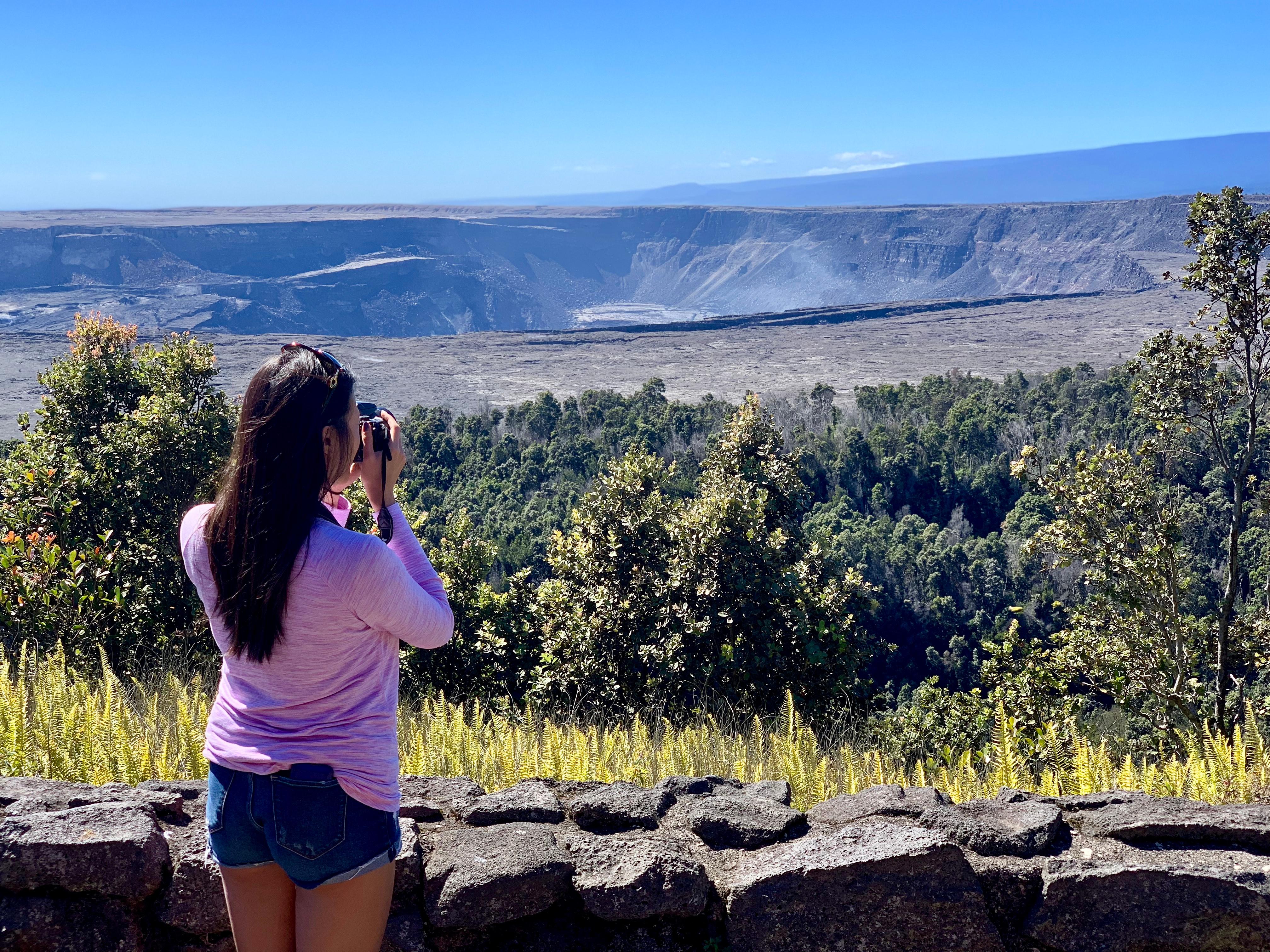
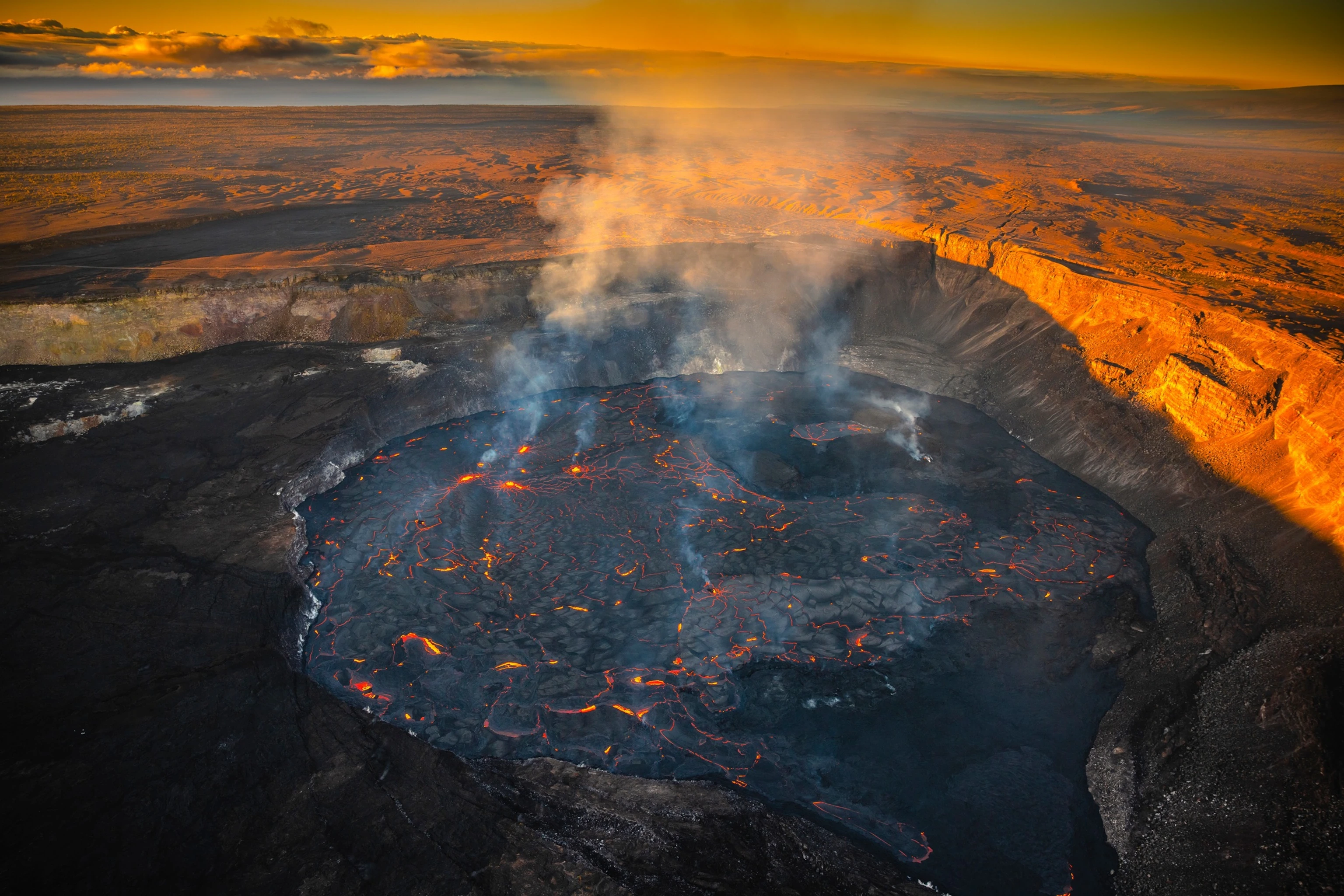
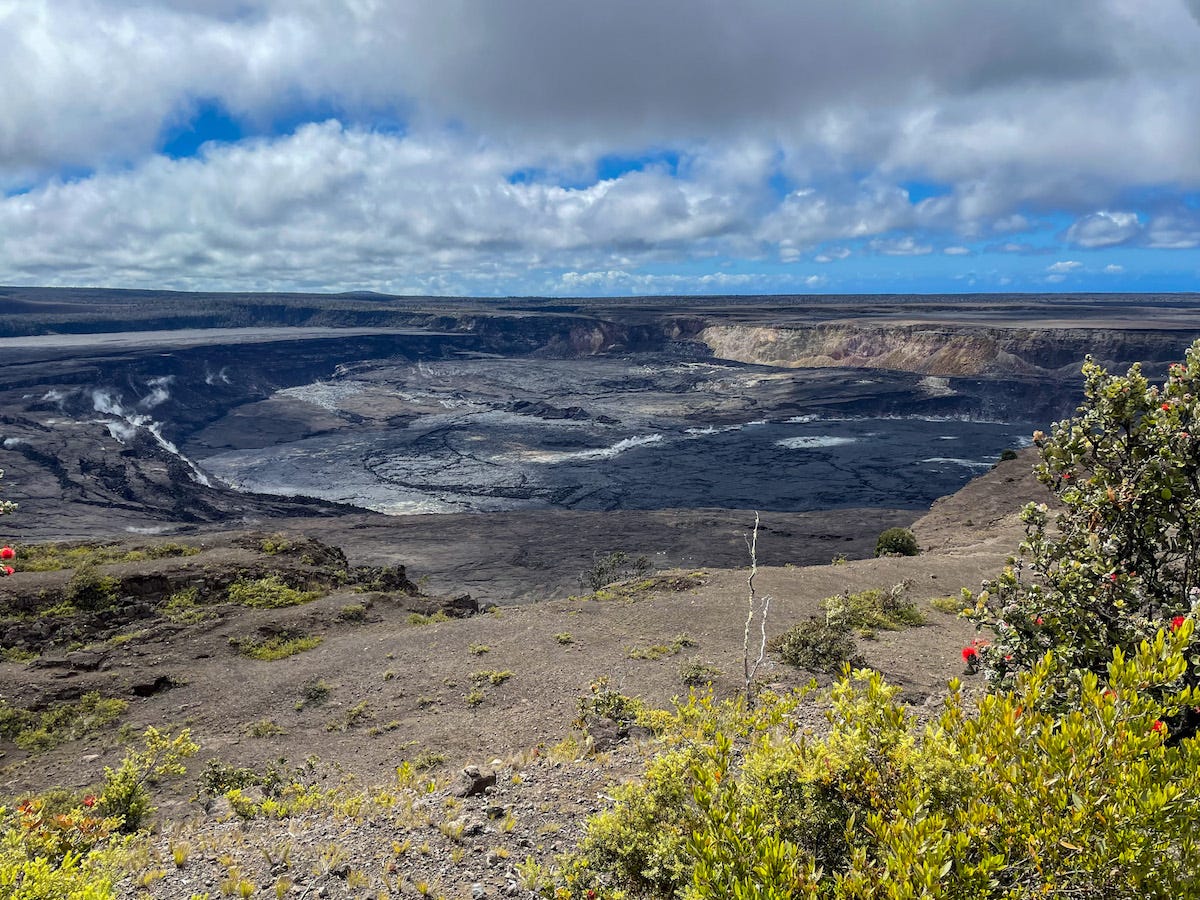
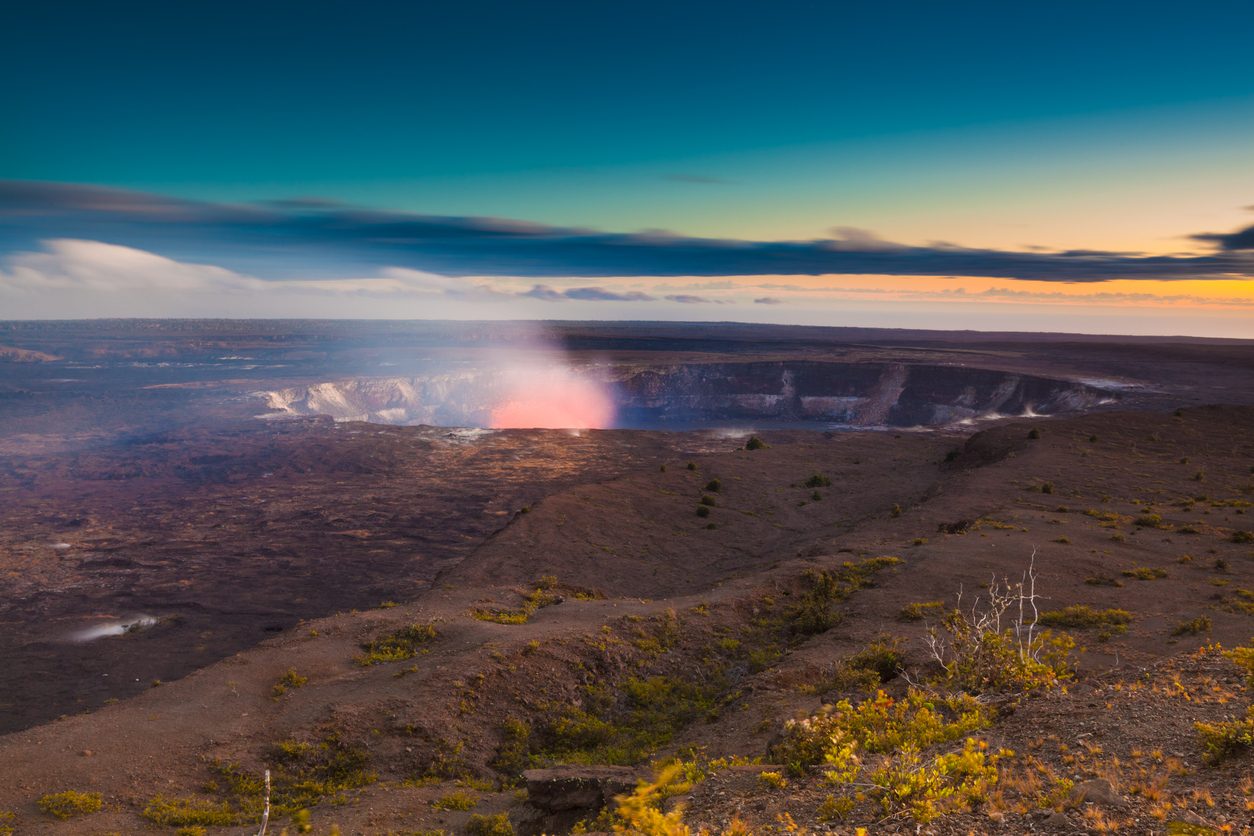
The massive summit caldera spans miles and serves as the heart of Hawaii Volcanoes National Park activity.
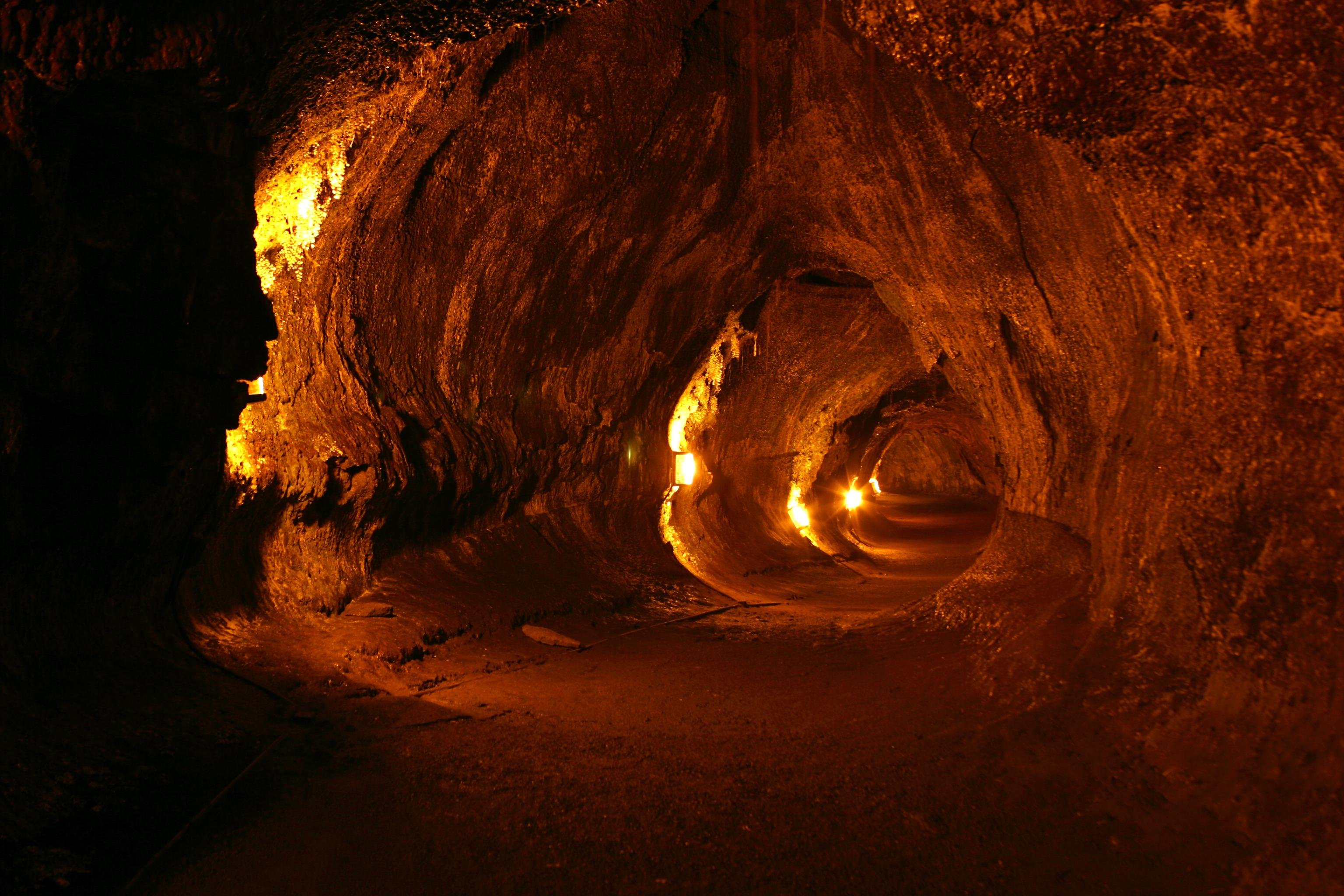
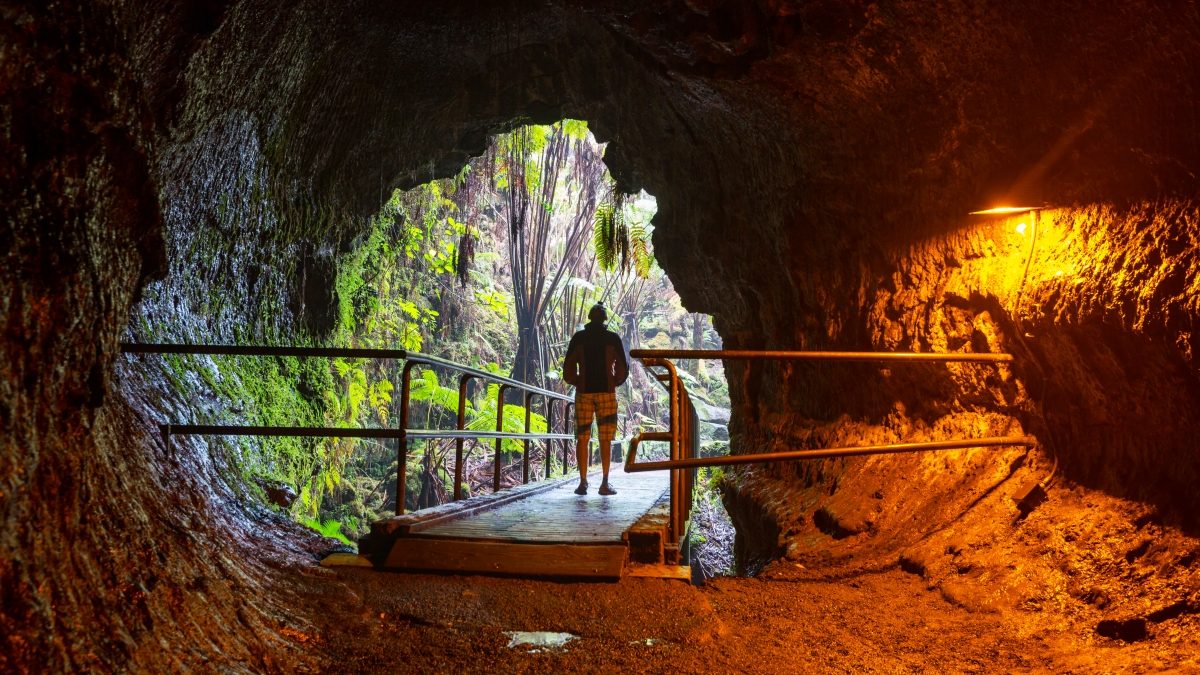
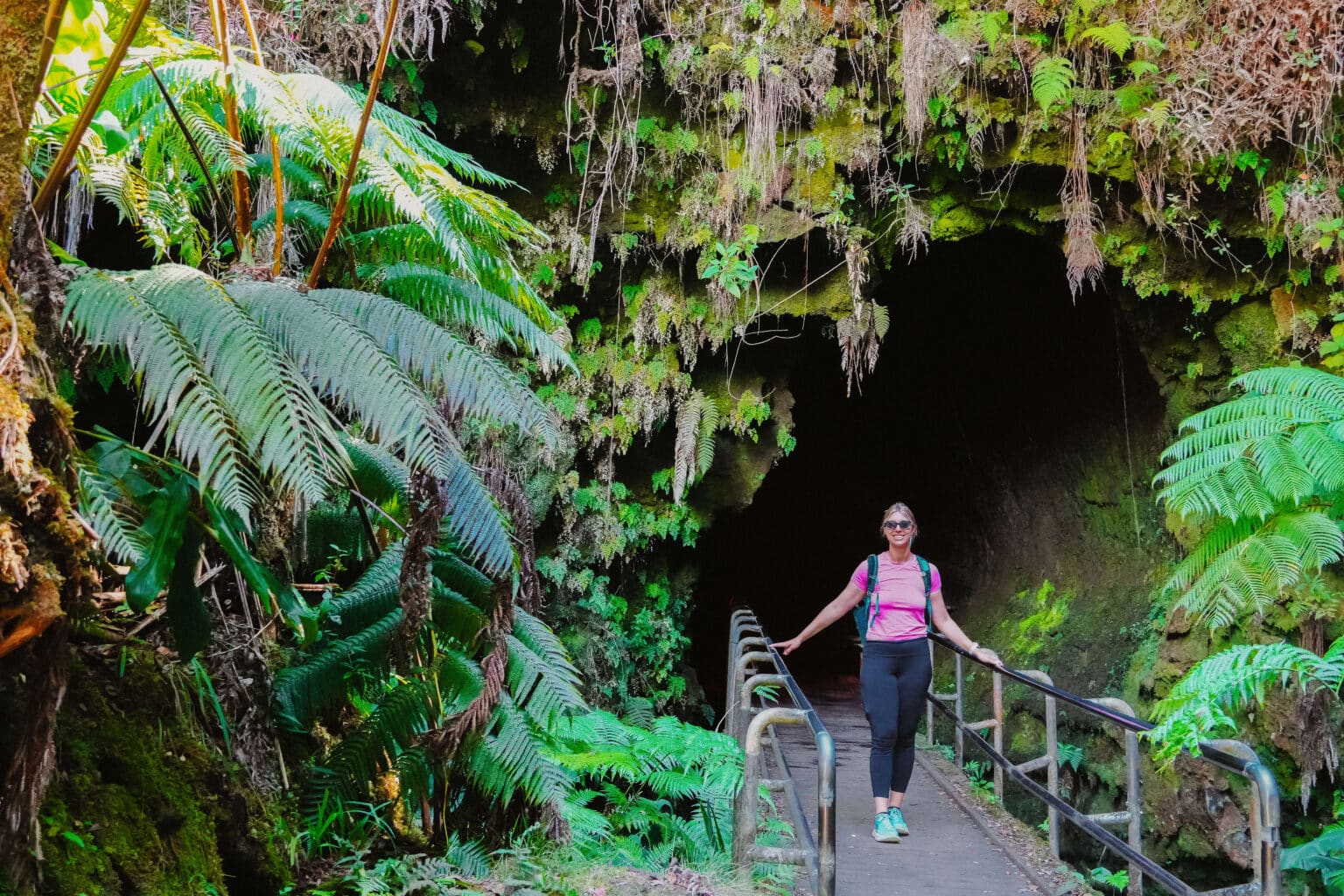
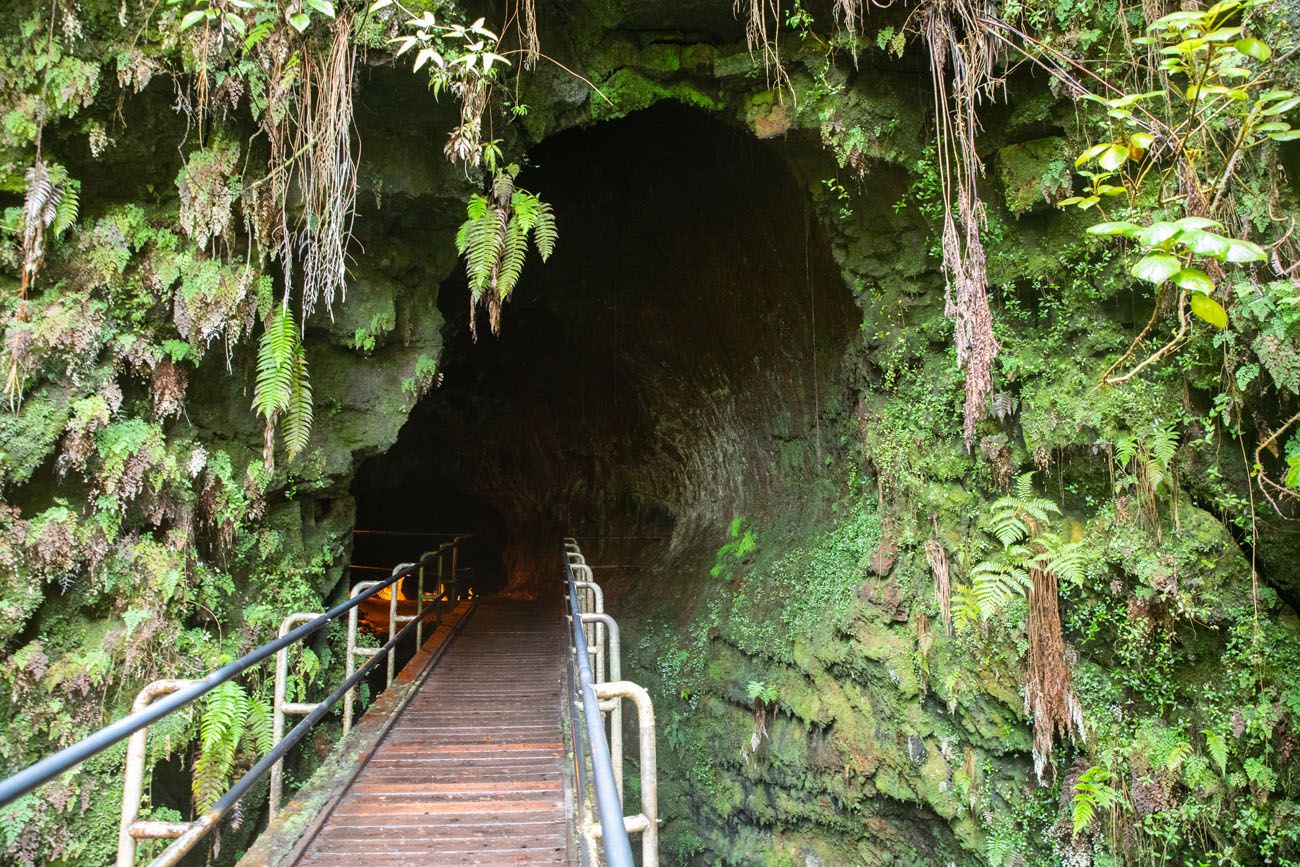
This 500-year-old tunnel was formed by a river of molten lava that solidified into a subterranean passage.
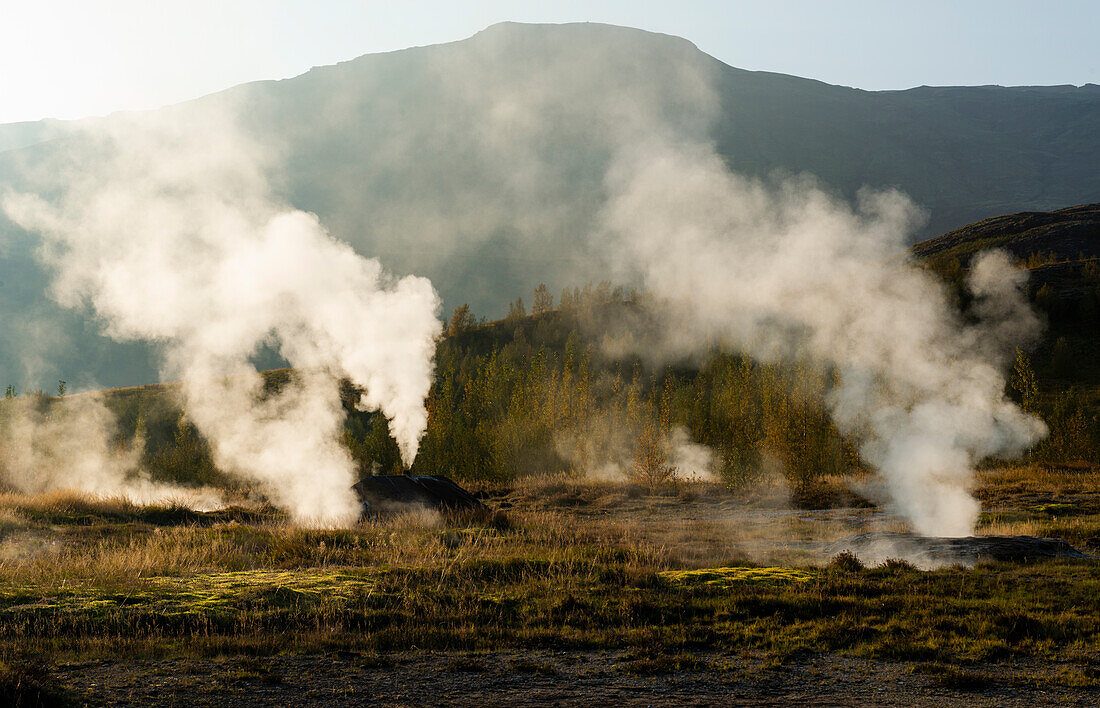
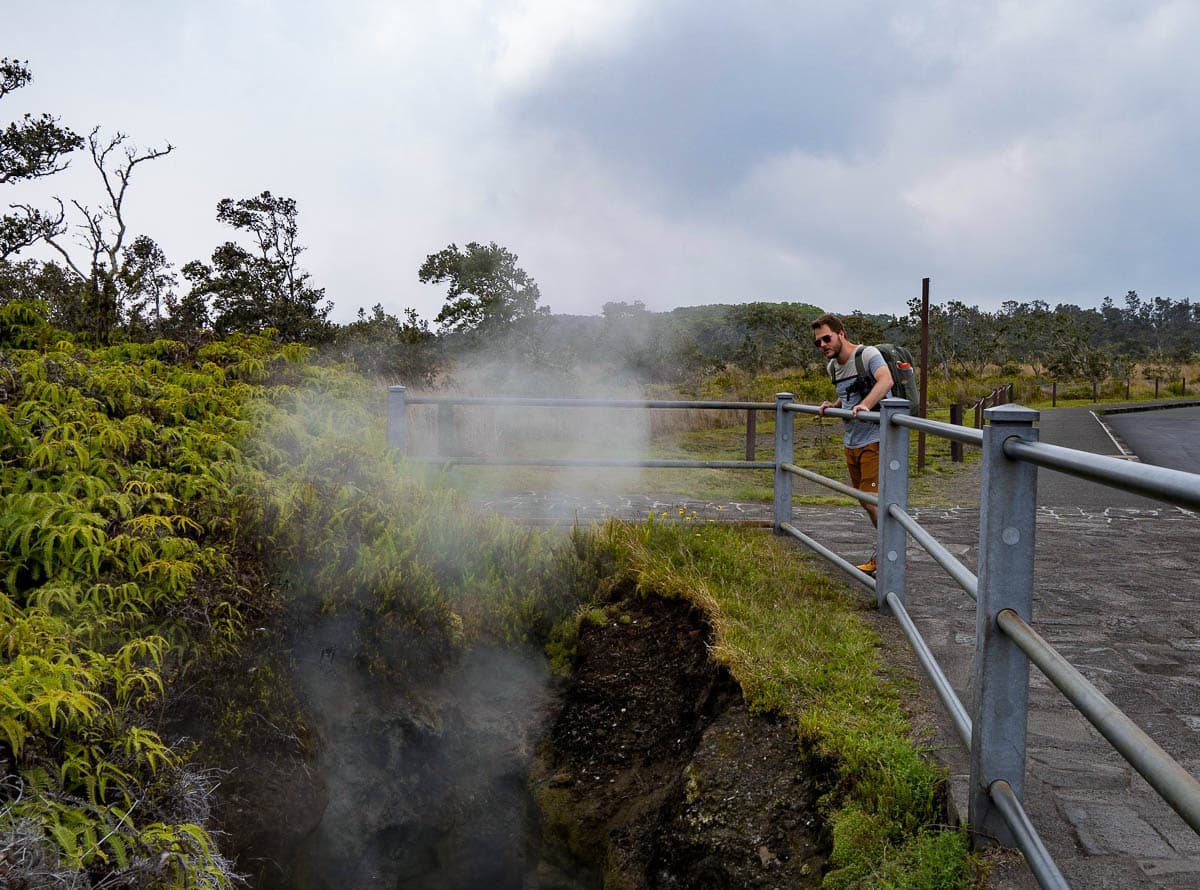
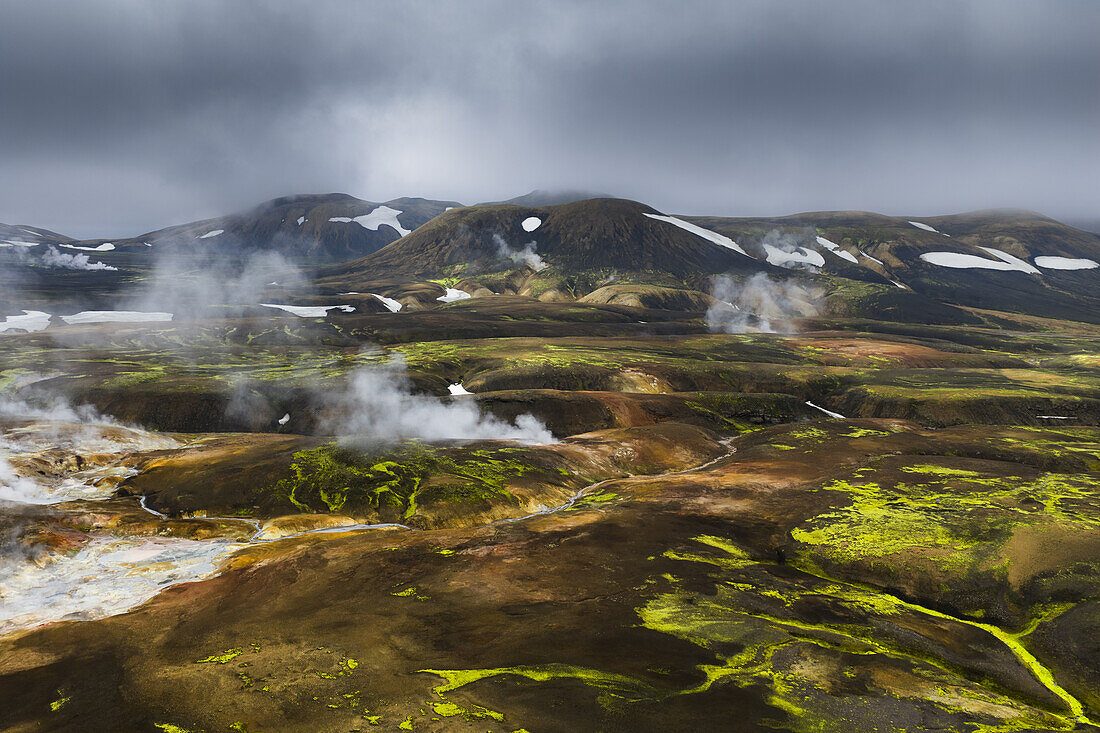
Groundwater seeps onto hot volcanic rocks, creating visible plumes of steam that rise from the earth.
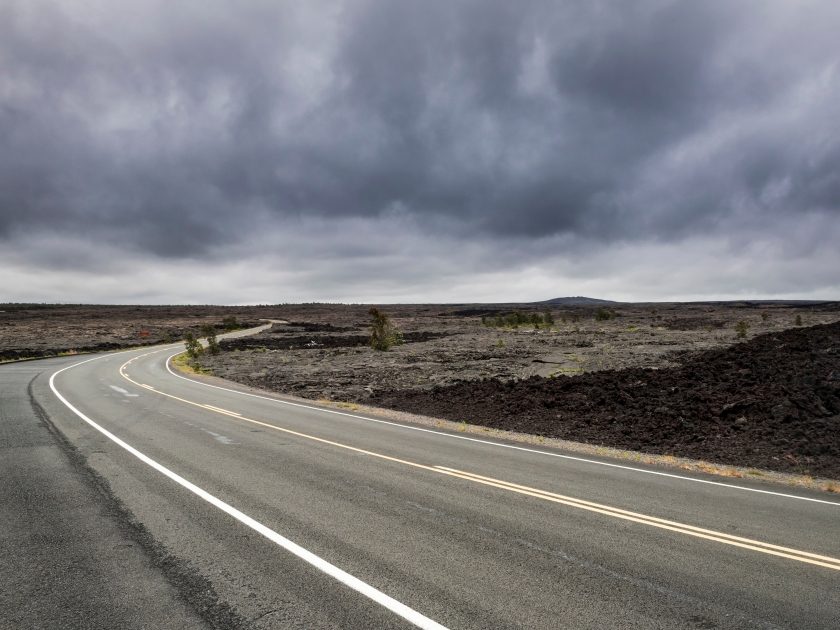
This 19-mile road descends 3,700 feet through diverse volcanic landscapes and lava fields.
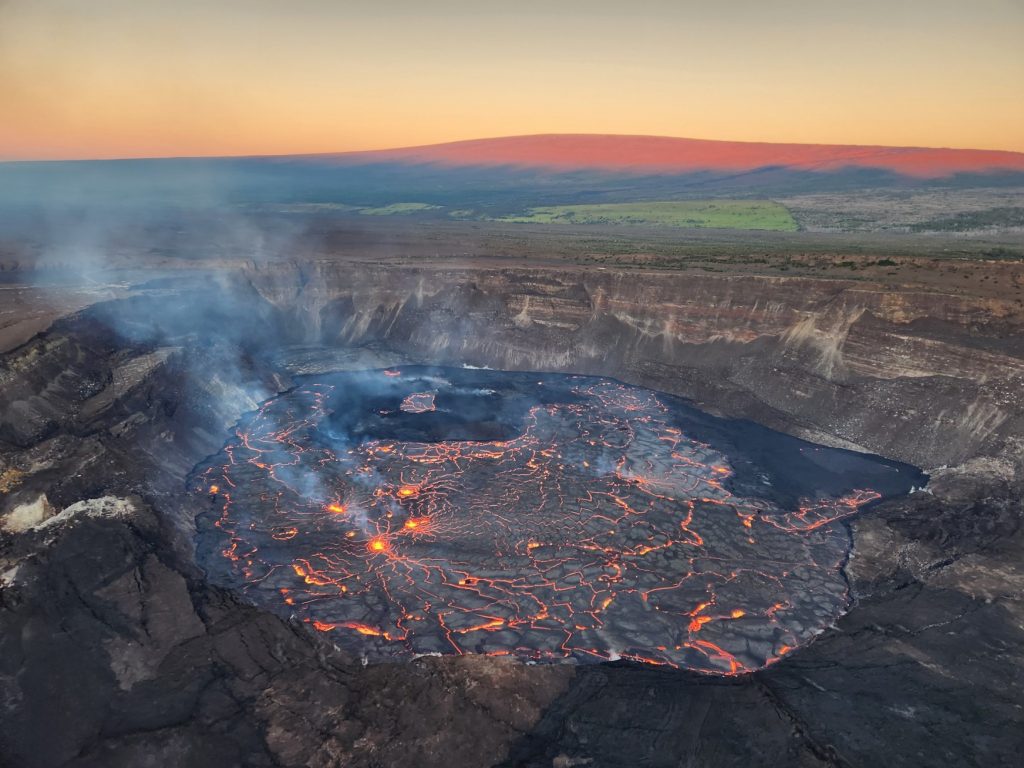
An active pit crater within the larger caldera that has undergone significant changes in shape and depth.
You depart Hilo in early morning, passing macadamia orchards and rainbow eucalyptus groves before the road begins its climb through the Puna district. The air cools as the van ascends through fern forests, and within 45 minutes you reach the park entrance at 4,000 feet elevation.
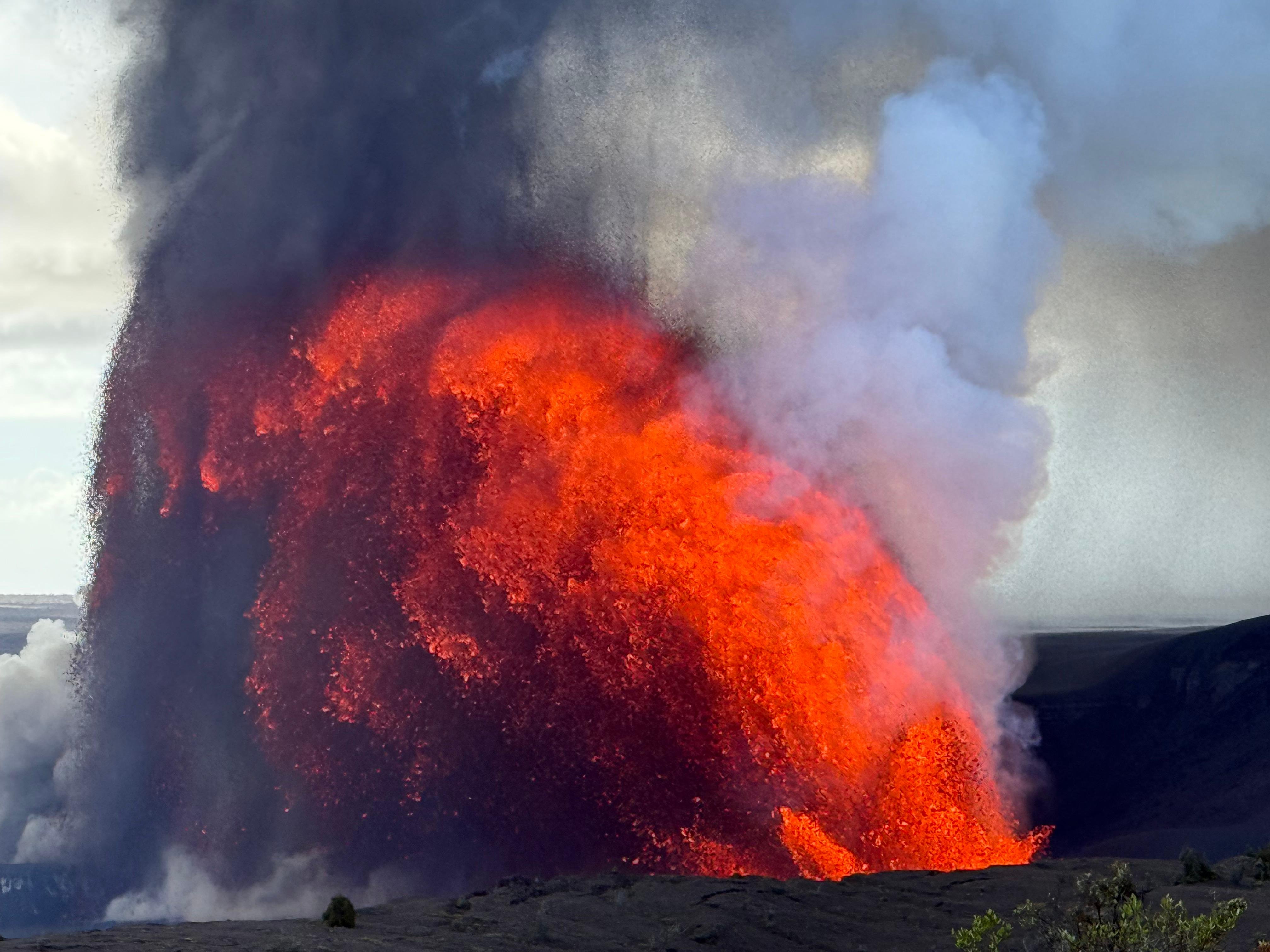
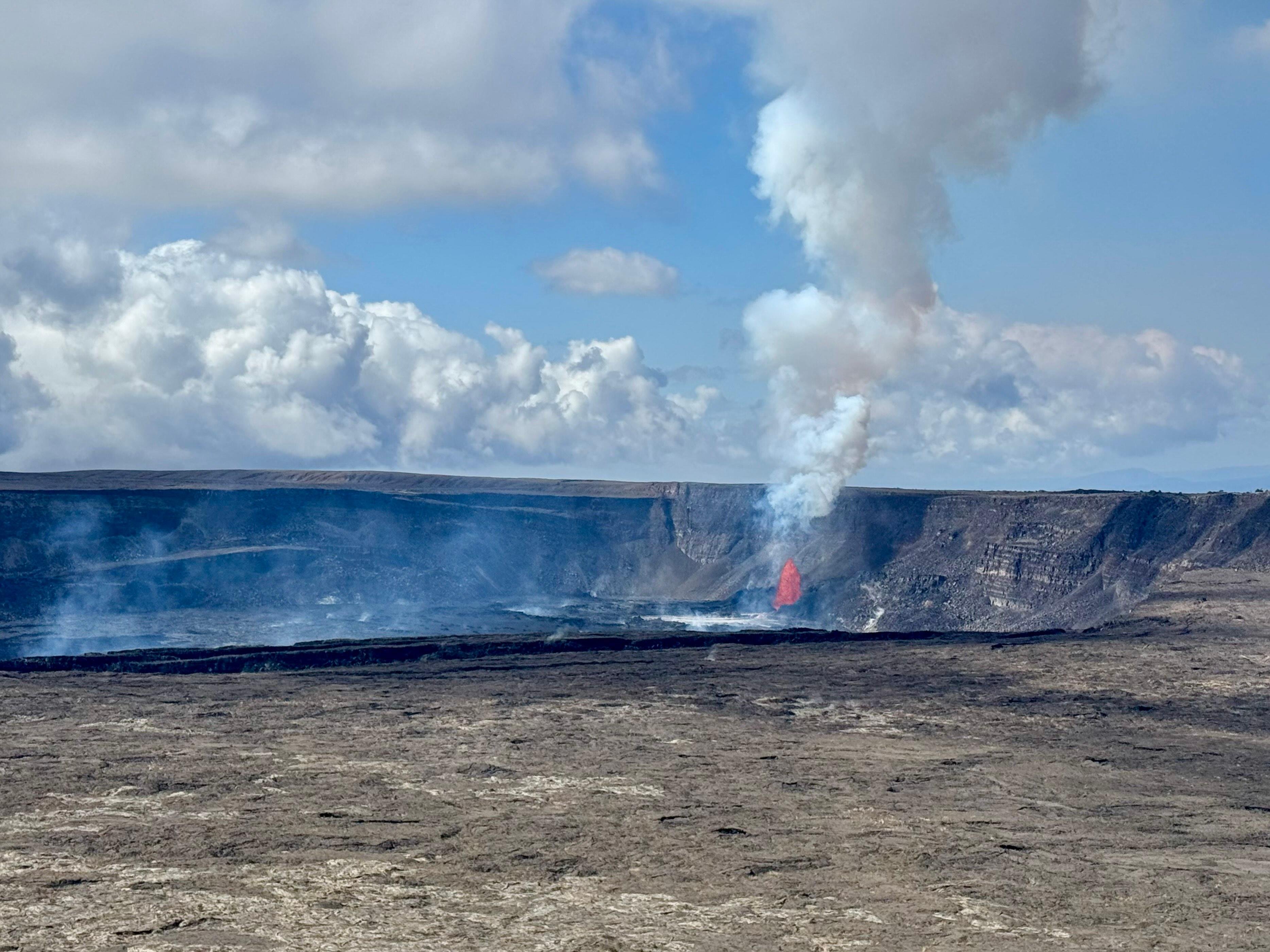
Your guide points out the white plume rising from Halemaʻumaʻu as you drive Crater Rim Drive, stopping first at steam vents where sulfur crystals edge the cracks and heat radiates through your shoes.
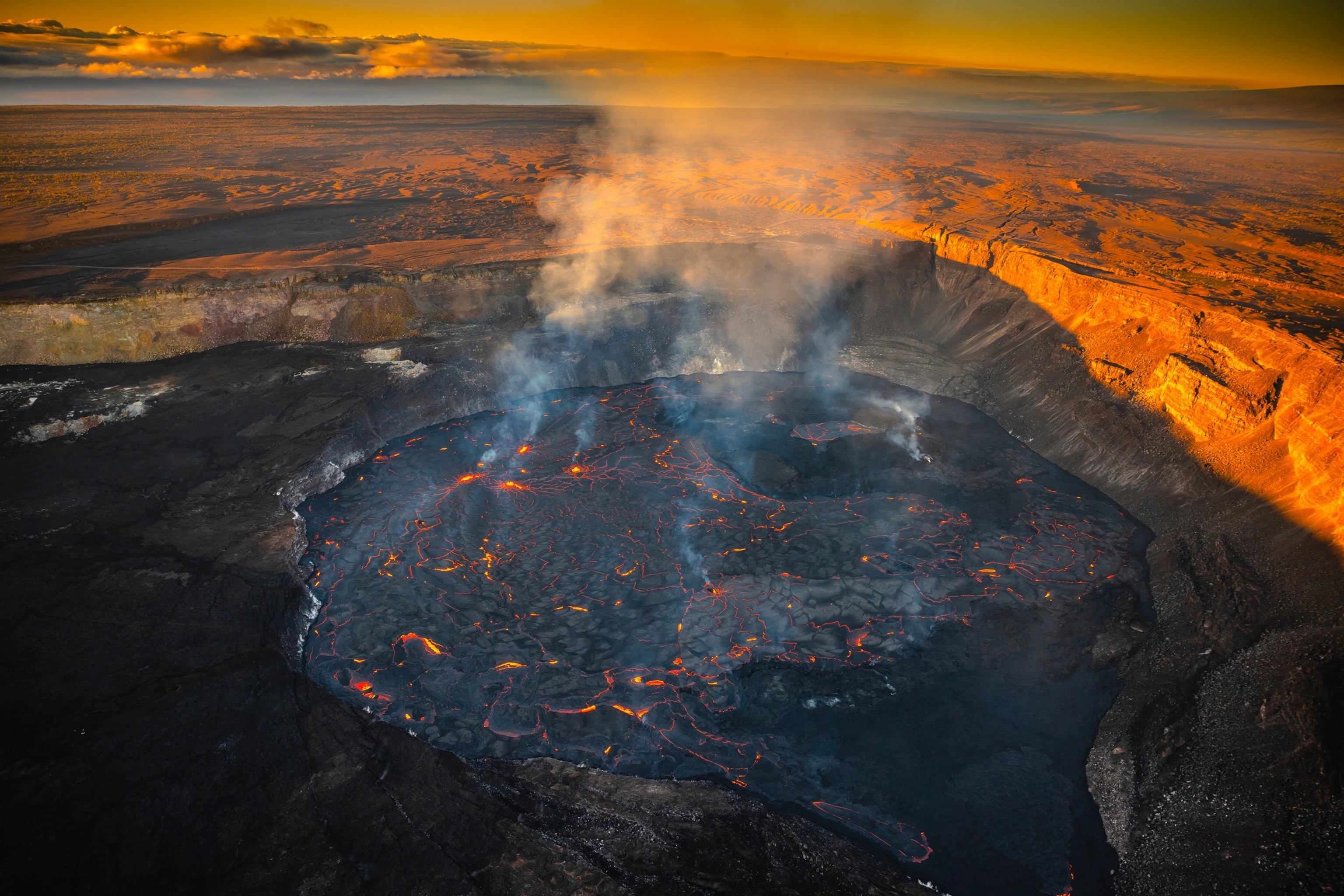
You walk the paved half-mile trail into Thurston Lava Tube, its ceiling dripping with moisture and its walls grooved by the lava river that carved this passage 500 years ago. Back above ground, the van continues to the Kīlauea Overlook, where you stand at a railing above the caldera and watch the lava lake churn 400 feet below, its surface cracking orange before cooling to black crust. The guide explains how the 2018 collapse reshaped this view, pointing to the highwater marks visible on the crater walls.
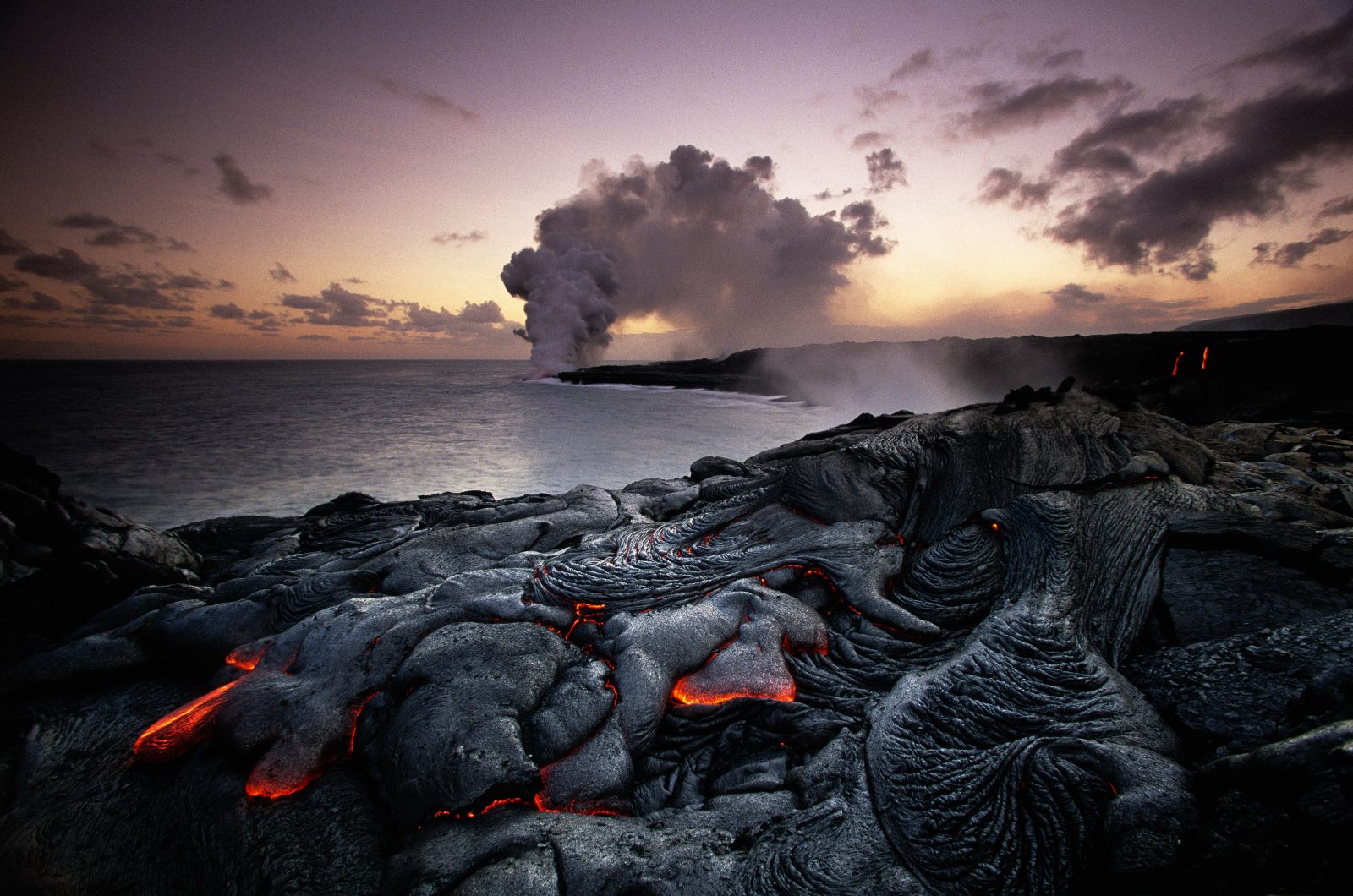
Chain of Craters Road descends next, switchbacking past petroglyphs etched into pahoehoe flows and ending at the black sand coastline where waves break against cliffs formed during the 1969 eruption. You photograph the sea arch before the return climb, pausing at overlooks where older flows host pioneer 'ōhi'a trees and the Pacific stretches unbroken to the horizon.
All the details about your upcoming adventure in one place
Kīlauea holds the record as one of the world's most active volcanoes, erupting continuously from 1983 until 2018 before a summit collapse drained Halemaʻumaʻu Crater and reshaped the caldera floor by more than 400 vertical meters.
The 2018 event marked the largest volume loss at the summit in at least two centuries, and within three years a lava lake returned to the crater, glowing amber through the steam vents that define the landscape today. This cycle of creation and collapse has drawn geologists and visitors to the park since its establishment in 1916, when Congress protected 344 square miles of volcanic terrain spanning two active shield volcanoes and four distinct ecological zones.
Kilauea tours from Hilo traverse the 30-mile Crater Rim Drive corridor that reopened in sections after the 2018 closure, passing sulfur banks, steam vents, and the Thurston Lava Tube before reaching overlooks above Halemaʻumaʻu. The park's topography shifts from tropical rainforest at the 4,000-foot elevation near the visitor center to barren lava deserts where pahoehoe and a'a flows from centuries of eruptions have left fields of black rock extending to the coastline. Chain of Craters Road descends 3,700 feet over 19 miles, crossing lava flows dated from 1974, 1979, and the massive 1969-1974 Mauna Ulu eruption that added 200 acres of new land to the island.
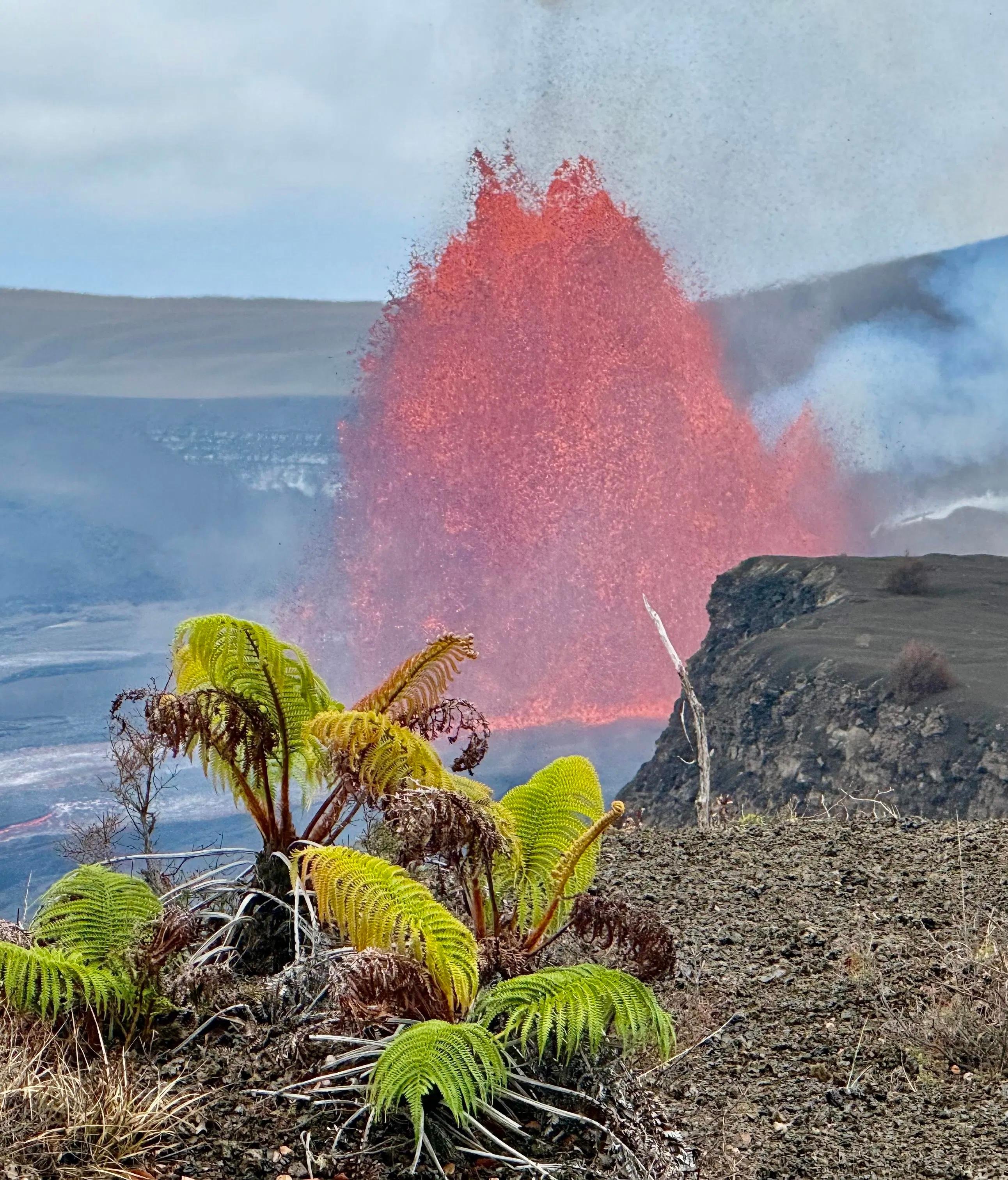
The caldera itself measures three miles across and 400 feet deep, a dimension that becomes clear only from the Jaggar Museum overlook or the Uēkahuna viewing platform rebuilt in 2023. Native Hawaiian reverence for Pele, the volcano deity, remains embedded in place names and interpretive markers throughout the park, and rangers caution visitors against removing lava rock, a practice considered both illegal and spiritually unwise. Vegetation clings to older flows where 'ōhi'a lehua trees and hapu'u tree ferns pioneer the slow return of forest, a process that can take 300 years on the island's youngest surfaces. Seismic activity remains constant, with the Hawaiian Volcano Observatory recording dozens of minor earthquakes weekly from the East Rift Zone and summit magma chamber.
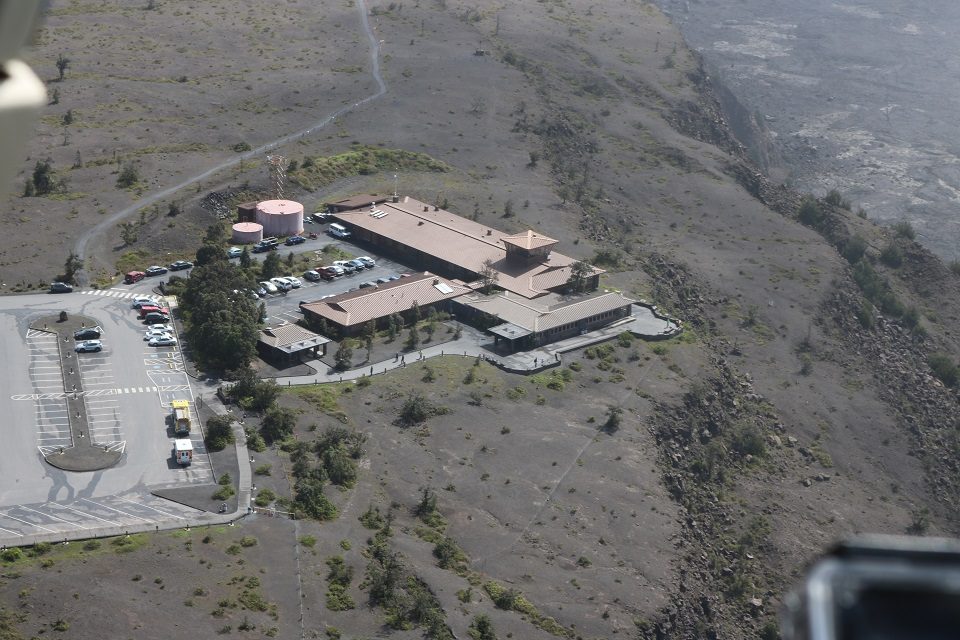
The park operates 24 hours daily, though ranger-led programs and the Kīlauea Visitor Center maintain daytime schedules, and arriving between 7:00 and 9:00 AM allows visitors to photograph the caldera in soft morning light before clouds form along the windward slopes. Entrance costs 30 USD per vehicle and remains valid for seven consecutive days, permitting return visits to track changes in the lava lake level or steam plume intensity.

The 2018 summit collapse drained Halemaʻumaʻu Crater by more than 400 vertical meters, the largest volume loss in at least two centuries.
Wear sturdy, closed-toe walking shoes to navigate uneven volcanic terrain. Dress in layers, as temperatures fluctuate between the coast and the summit elevation.
Backpacks are permitted on most kilauea tours from hilo. Security personnel reserve the right to inspect bags at park entry points.
Photography is encouraged throughout Hawaii Volcanoes National Park for personal use. Maintain distance from active thermal vents and restricted geological survey zones when capturing images.
The park is suitable for all ages, though supervision is required near cliffs and volcanic features. Strollers may be difficult to use on unpaved lava trails.
Many primary viewing areas are wheelchair accessible. Guests participating in kilauea tours from hilo should confirm specific vehicle accessibility with their provider.
Carry sufficient water and snacks, as facilities within the park are limited. Pack out all trash to maintain the environment.
Opening Hours
00:00–23:59
Address
1 Crater Rim Drive, Hawaii National Park, HI 96718
Accessibility
Park accessible for visitors with limited mobility
Best arrival
07:00–09:00
Entrance Fee
30 USD (Private non-commercial vehicle)
Car · 45 min · Included in tour or rental cost
Follow Highway 11 south from Hilo for approximately 45 minutes to reach the park entrance.
Taxi · 60 min · Variable
Professional shuttle services provide direct transport for groups.
Full refunds are provided for cancellations made within the operator-specified window. The 30 USD entrance fee is typically managed by the park authority separate from tour operator policies.
Recommended time
4-6 hours
Planning your trip requires accounting for the drive time and the vast landscape of Hawaii Volcanoes National Park. Most visitors booking kilauea tours from hilo find that a half-day provides sufficient time to navigate the caldera trails and volcanic features. Expect moderate congestion during mid-afternoon hours, so securing your kilauea tours from hilo tickets early helps in streamlining park entry. Those looking for a comprehensive Hilo volcano tour often allocate extra time for walking through the lush steam vents or exploring the local lava tubes.
Crowd levels through the day
Weather · crowds · average price — dots go green to amber to red as each metric rises.
Mild temperatures and lower rainfall make for pleasant hiking conditions.
Expect larger crowds and warmer conditions during daylight hours.
Comfortable weather prevails with moderate attendance levels.
Higher precipitation levels are common, requiring rain gear.
Arrive within the 07:00–09:00 window to enjoy cooler summit conditions.
Follow all posted safety signs to avoid unstable surfaces or dangerous volcanic gases.
Monitor the official site for real-time air quality updates before starting your kilauea tours from hilo trip.
100 Kuhio St, Hilo, HI 96720
Main transit hub for kilauea tours from hilo
Get directionsHawaii Volcanoes National Park was established on August 1, 1916, becoming the nation's eleventh national park and protecting a landscape that Native Hawaiians had revered for centuries as the domain of Pele, the volcano goddess. The creation of kilauea tours from hilo followed decades of scientific observation that began in 1912 when Thomas Jaggar founded the Hawaiian Volcano Observatory on the crater rim, building the first permanent station to monitor seismic activity and lava flows. Early visitors arrived by horseback or Model T Ford along rough volcanic trails, and the Volcano House hotel—first built in 1846 and rebuilt in 1941—offered the only lodging within sight of Halema'uma'u Crater. Kilauea's 1959 eruption at Kilauea Iki created a lava lake that fountained 1,900 feet into the air, reshaping the crater floor and drawing international attention to the park's dynamic geology. The Pu'u 'Ō'ō eruption began in January 1983 and continued for thirty-five years, becoming the longest-lived rift eruption in recorded history and adding 500 acres of new land to the island's coast. Chain of Craters Road, completed in sections through the 1960s, descended 3,700 feet from the summit to the sea until lava flows buried several miles of pavement in the 1990s. The 2018 collapse of Halema'uma'u Crater floor and subsequent explosive events closed much of the summit area for months, deepening the crater by more than 1,500 feet and forcing a fundamental redesign of visitor infrastructure. The park today preserves 333,000 acres across two active volcanoes—Kilauea and Mauna Loa—and interprets Hawaiian cultural sites including petroglyphs, heiau temple platforms, and coastal settlements that predate European contact by centuries. Kilauea tours from hilo tours now follow routes rebuilt after the 2018 eruption, with boardwalks traversing the still-steaming crater floor and overlooks positioned to view the lava lake that returned to Halema'uma'u in December 2020. The Thurston Lava Tube, discovered in 1913 and opened to visitors in 1959, remains one of the most accessible features, its 500-foot passage carved by molten rock centuries ago.
Hawaii Volcanoes National Park established on August 1, protecting Kilauea and Mauna Loa
Thomas Jaggar founds Hawaiian Volcano Observatory, establishing permanent volcanic monitoring on Kilauea's rim
Kilauea Iki eruption produces lava fountains reaching 1,900 feet and reshapes the crater floor
Pu'u 'Ō'ō eruption continues for thirty-five years, adding 500 acres of new coastline
Summit collapse deepens Halema'uma'u Crater by 1,500 feet, closing park areas and requiring infrastructure redesign
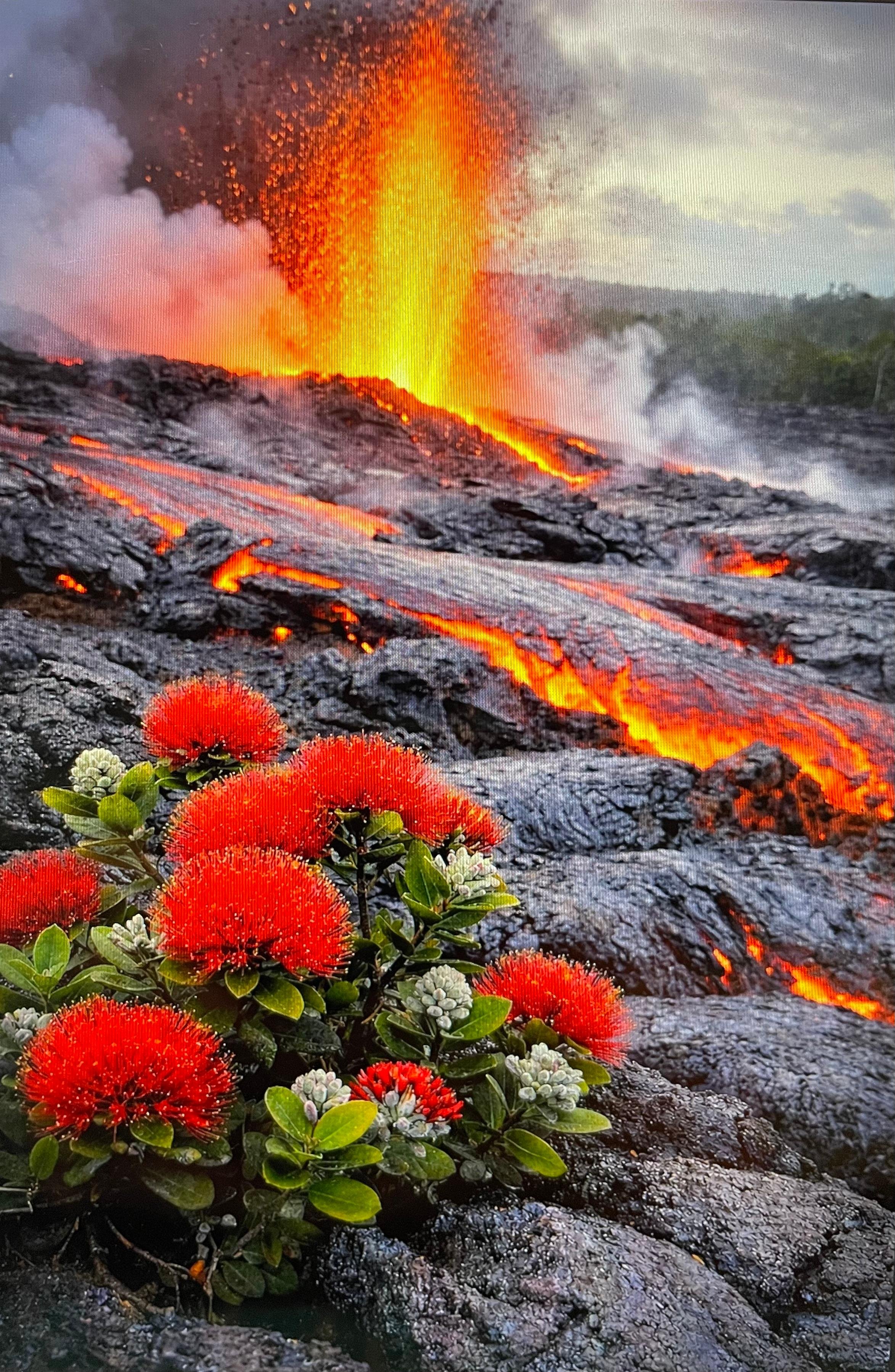
Lava lake returns to Halema'uma'u Crater in December, renewing active volcanic display
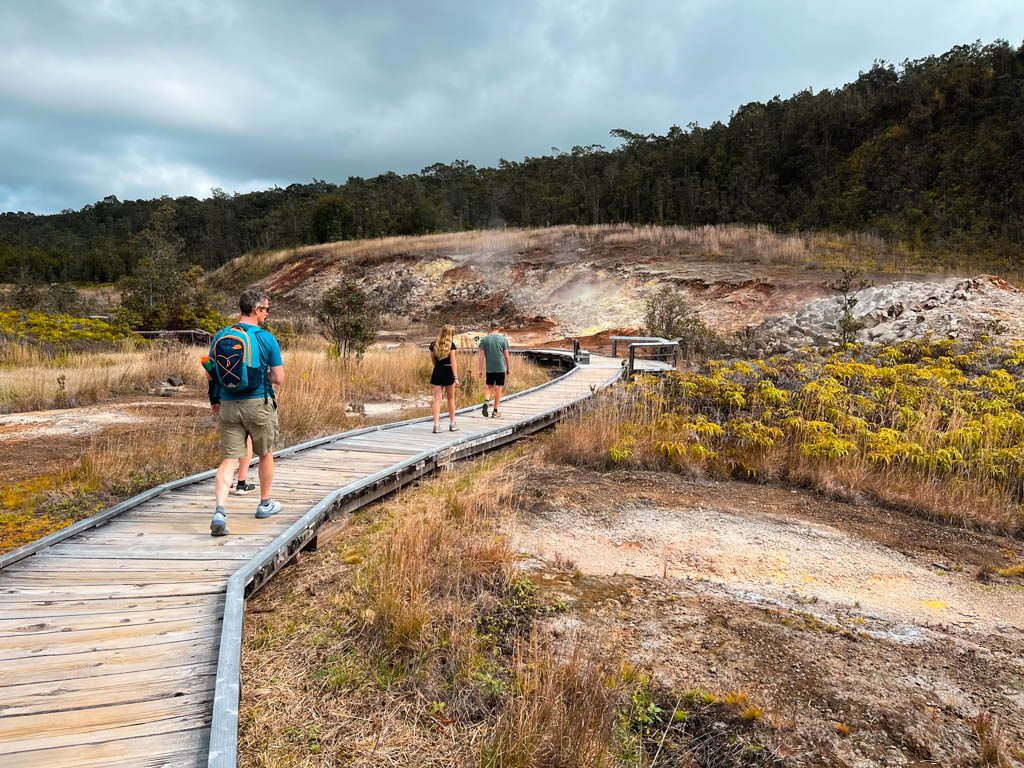
Stand along the railed path to capture the rising geothermal vapor against the stark volcanic landscape. This area provides a classic perspective for those on kilauea tours from hilo that highlights the park's active geology.
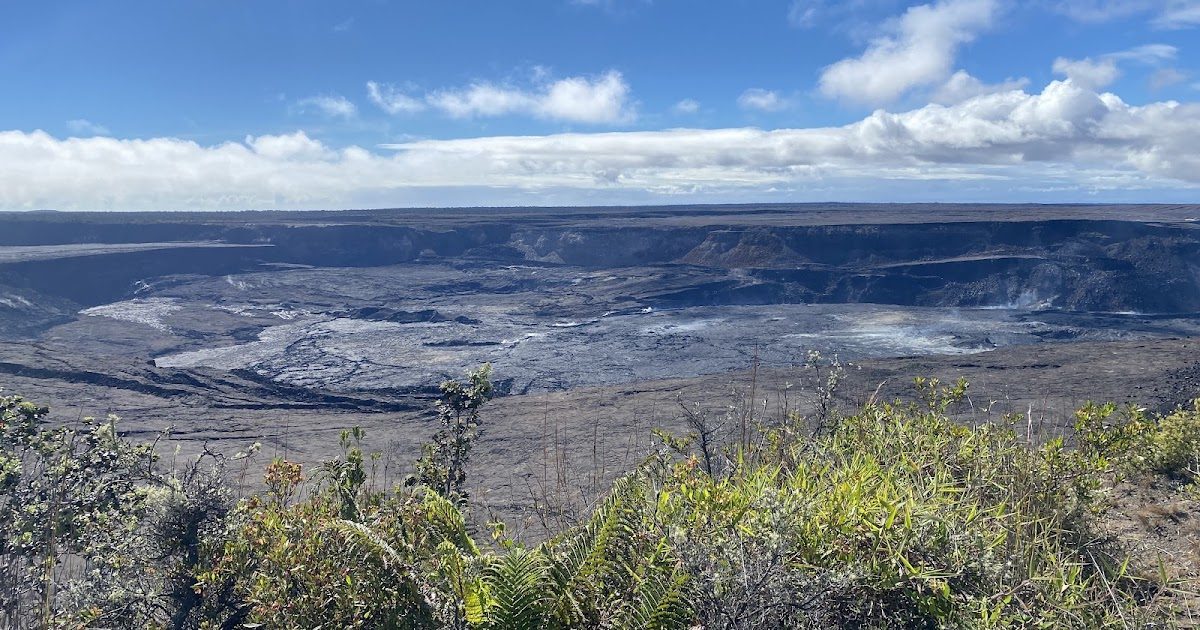
Position your camera at the edge of the rim to frame the massive caldera and deep crater floor. This viewpoint is a staple for a kilauea tours from hilo tour looking for expansive panoramic images of the summit.
Walk the elevated boardwalk through the trail to photograph the colorful mineral deposits and yellow sulfur crystals. It offers a unique macro perspective compared to the broad crater vistas found on most kilauea tours from hilo tickets.
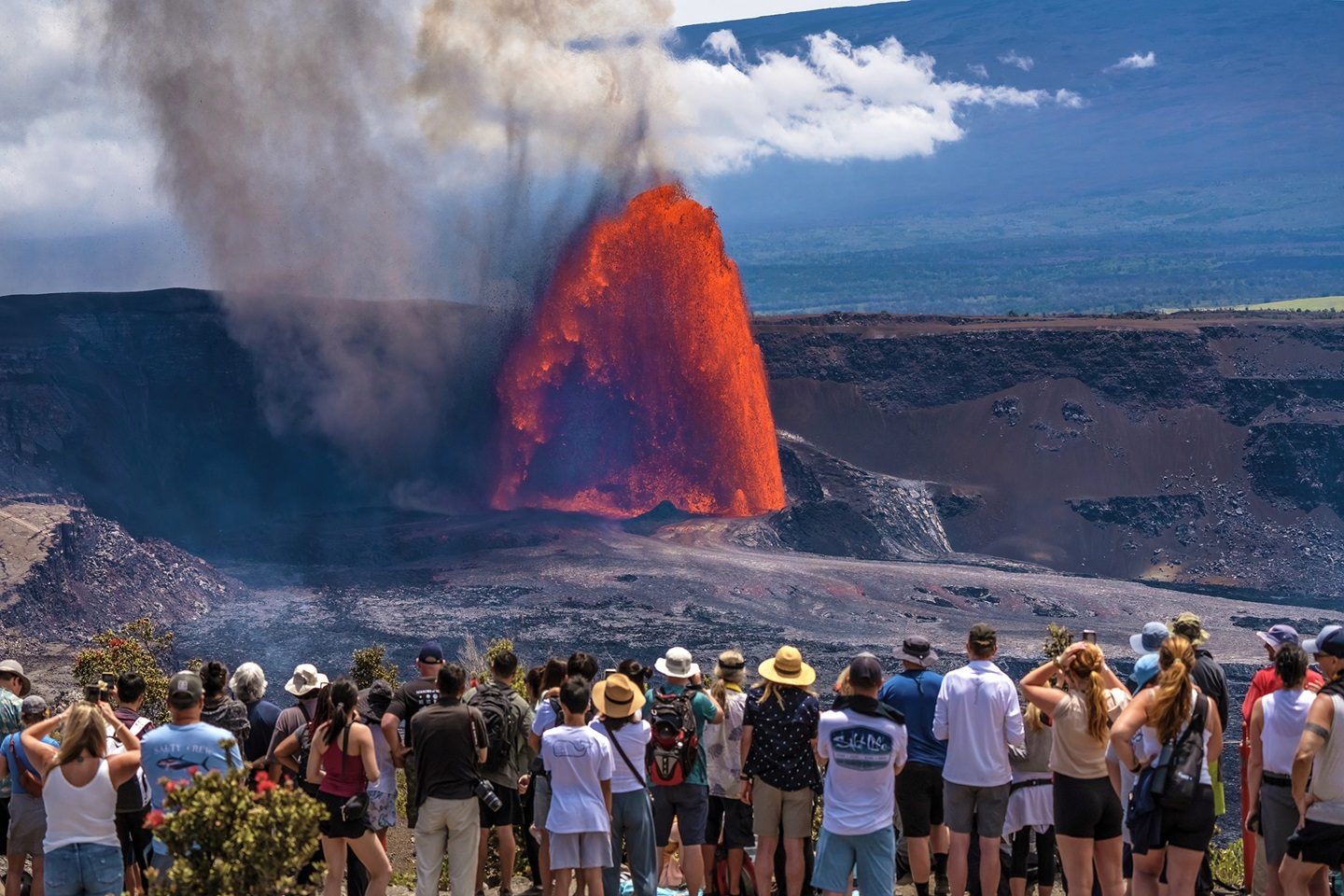
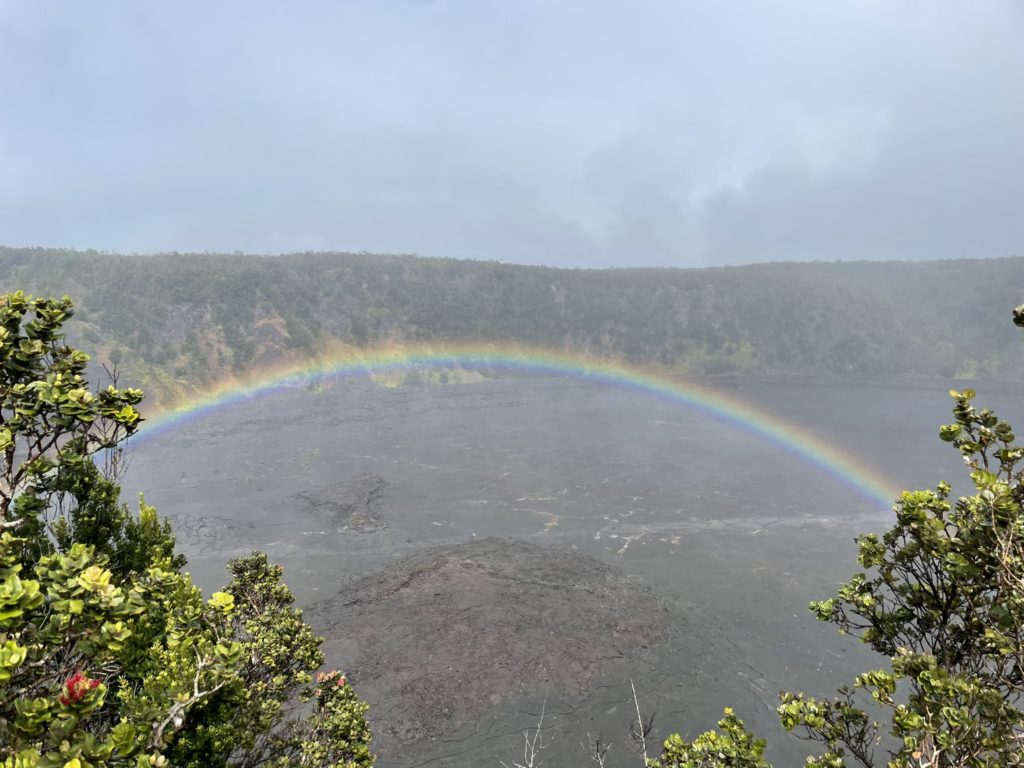
Look out from this vantage point to see the vast expanse of the 1959 Kilauea Iki eruption site and the cinder-covered landscape. It is an ideal spot for capturing the scale of the solidified lava flows.
Planning kilauea tours from hilo provides families with direct access to a dynamic volcanic landscape that fosters curiosity in young explorers. Understanding these logistics helps you manage expectations when navigating this vast geological park.
Most paved trails like the Sulphur Banks are stroller-friendly, though volcanic gravel paths require a sturdy carrier for younger children. Please check if your kilauea tours from hilo tickets include all-terrain gear options for rugged sections.
Restrooms with baby-change stations are available at the Visitor Center, and you should bring plenty of water since refill stations are limited. Use the official 808-985-6011 contact number if you need to confirm specific access for your Hawaii Volcanoes National Park tour.
Children aged six and older typically gain the most from interpretative signage and geothermal steam vents. Younger toddlers may tire quickly, so plan for frequent breaks when booking your kilauea tours from hilo tours.
Arrival between 07:00–09:00 allows families to explore geological features before the heat intensifies. Spacing out your visit ensures a comfortable pace for little legs across the crater rim.
The park remains open monday through sunday 00:00–23:59, but low clouds often obscure views during rain. Ensure your kilauea tours from hilo tour provider has a flexible schedule if inclement weather impacts visibility.
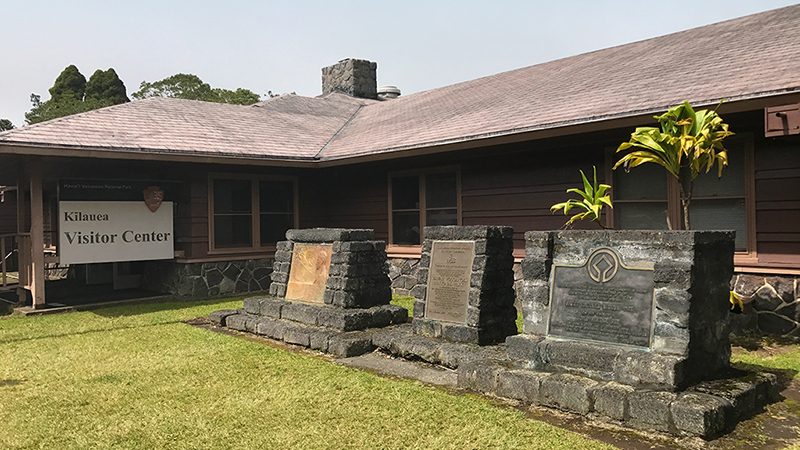
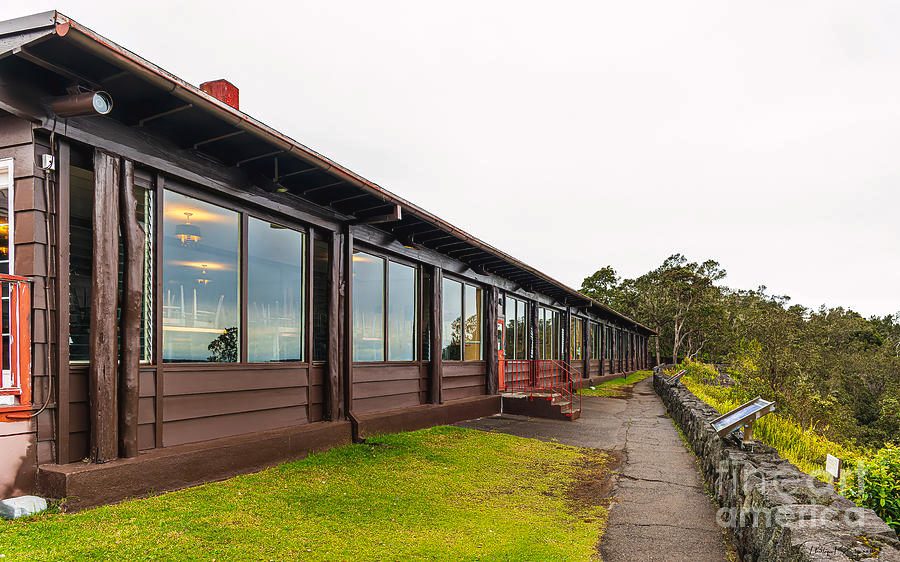
Finding convenient dining near kilauea tours from hilo is straightforward, as the park features historic establishments overlooking the caldera. Most visitors on a Hawaii Volcanoes National Park tour prefer these venues to avoid leaving the summit area.
Located inside the Volcano House, this venue offers views of the Halemaumau crater. It serves locally sourced ingredients and is a popular stop for those holding kilauea tours from hilo tickets.
Everything you need to know for your journey
Hawaii Volcanoes National Park is open 00:00–23:59 daily.
The entrance fee is 30 USD for a private non-commercial vehicle, valid for seven days.
For the best experience, arrive between 07:00–09:00 to beat peak crowds.
Many park paths are accessible, though you should verify specific vehicle access with your provider for kilauea tours from hilo.
Yes, you are encouraged to bring your own water and food, provided you follow 'leave no trace' principles.
Yes, photography is permitted throughout the park for personal use.
Please check the specific cancellation policy provided by your tour operator at the time of booking.
Yes, families are welcome, but children should be supervised at all times near volcanic features.
Maps are available at the entrance and the official site, https://www.nps.gov/havo.
Yes, items like drones and weapons are strictly prohibited within the park boundaries.
A walk-through tunnel formed by ancient lava flows.
Natural vents releasing volcanic vapors from deep underground.
Strategic spot for viewing the main caldera.
Overlook offering views of the 1959 Kilauea Iki eruption site.
Historic hotel located on the rim of the caldera.
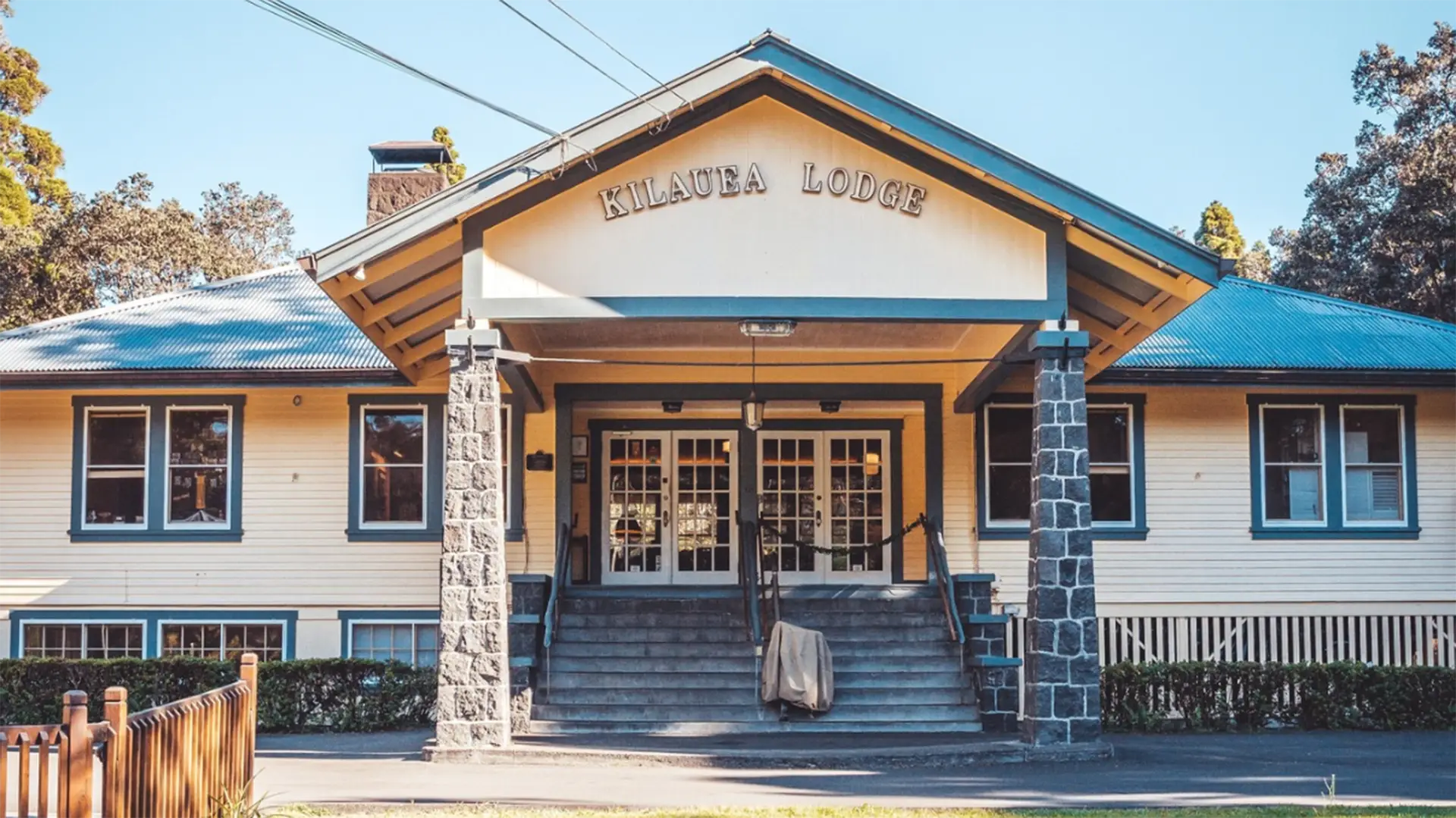
Rustic lodge featuring comfortable rooms and fireplaces.
Area with diverse vacation rentals and local bed and breakfasts.
Join thousands of happy travelers who have discovered this incredible experience
Book Your Experience Now